

Real-Time Menu Updates for Restaurants
In the fast-paced world of food service, a menu is never truly static. A sudden shipment delay, a seasonal ingredient coming into peak flavor, or a dish that sells out unexpectedly—these are daily realities for restaurants. Relying on printed menus in this environment is a recipe for customer disappointment, kitchen chaos, and wasted revenue.
Real-time menu updates represent a fundamental shift from a fixed, physical document to a dynamic, digital asset. This isn't just a minor convenience; it's a powerful operational and marketing strategy that directly impacts your bottom line. By leveraging modern digital solutions for food business, you can ensure your customers always see what's truly available, while unlocking new opportunities to promote and profit.
The High Cost of an Outdated Menu
Before diving into the solutions, it's crucial to understand the tangible losses inflicted by static menus. The consequences go far beyond a simple apology to a customer.
- Wasted Staff Time: Servers constantly backtracking to inform guests of unavailable items slows down service and increases table turnaround time.
- Order Errors: Verbal corrections can be misheard in a noisy environment, leading to mistakes in the kitchen and the need for remakes, which hurts your order accuracy KPI.
- Customer Dissatisfaction: Nothing deflates a dining experience faster than ordering your heart out for a dish that isn't there. This negatively impacts your repeat purchase rate.
- Lost Revenue: You cannot upsell or feature a high-margin special if it's not on the menu. This is a direct hit to your average ticket value.
- Printing Costs: Continuously reprinting physical menus to reflect changes is an unnecessary and recurring expense.
How Real-Time Digital Menus Work: The Tech Stack
Implementing a dynamic menu system is simpler than it sounds and integrates seamlessly with tools you may already use. The heart of the system is a centralized digital menu manager that pushes updates to every customer-facing channel instantly.
The Central Hub: Your Menu Management Dashboard
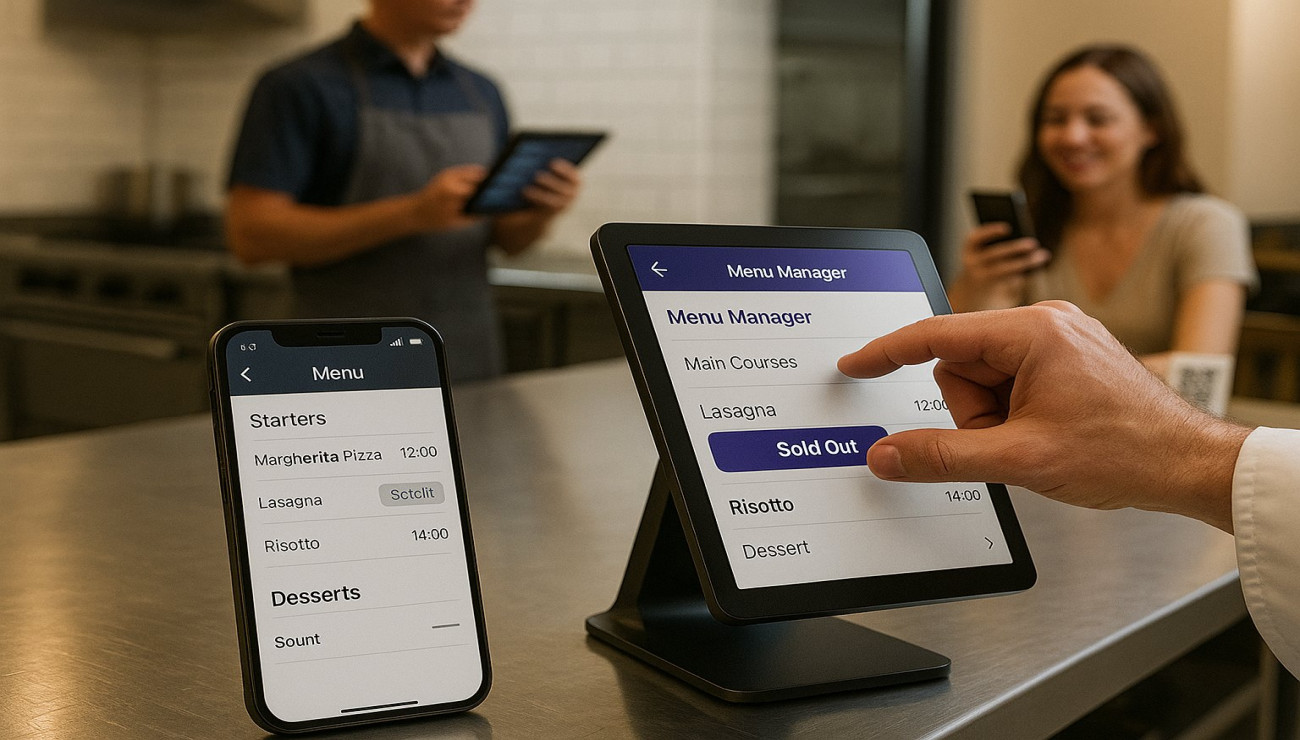
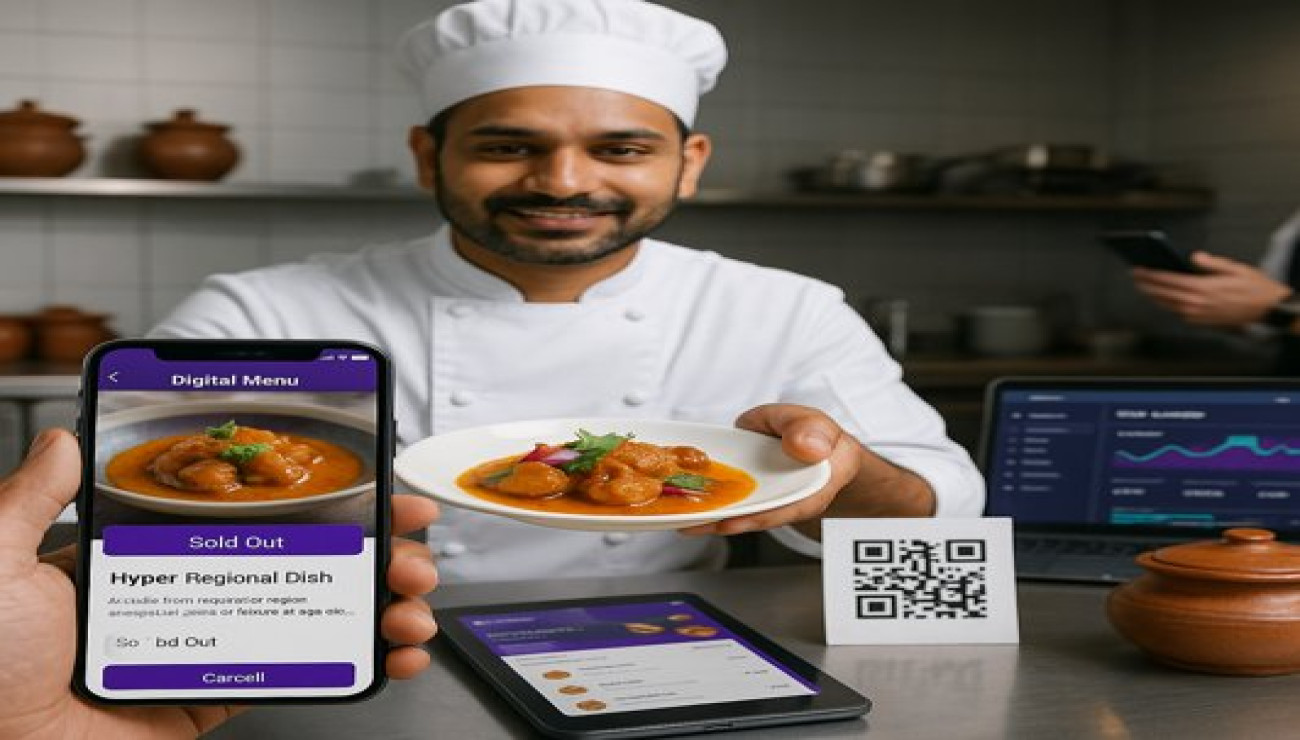
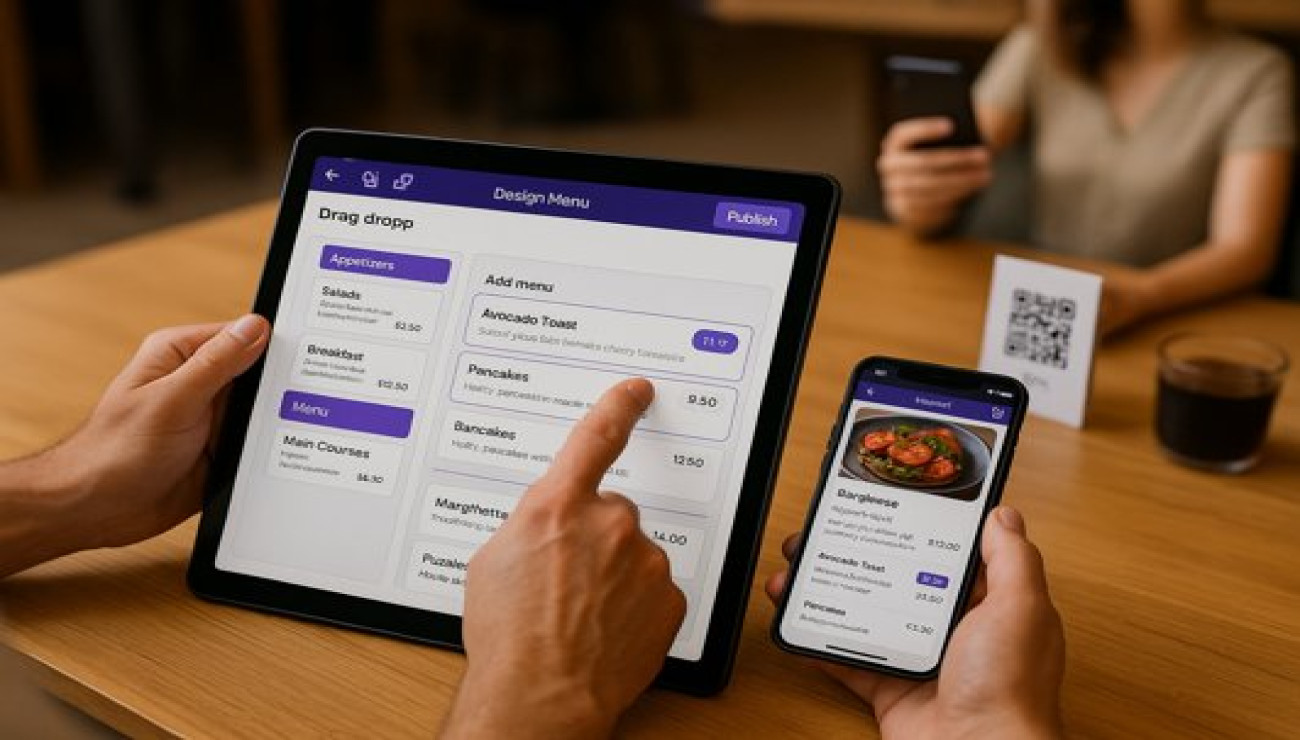
This is a web-based platform, often part of a broader restaurant SaaS India offering, where you add, remove, or modify menu items. Changing an item's status from "available" to "sold out" here is the single action that updates your entire digital ecosystem. This dashboard is a core component of modern restaurant automation tools.
The Delivery Channels: Where Your Menu Appears
Once a change is made in the hub, it is simultaneously reflected across all connected platforms:
- Your Website: The menu page on your restaurant website in India updates automatically.
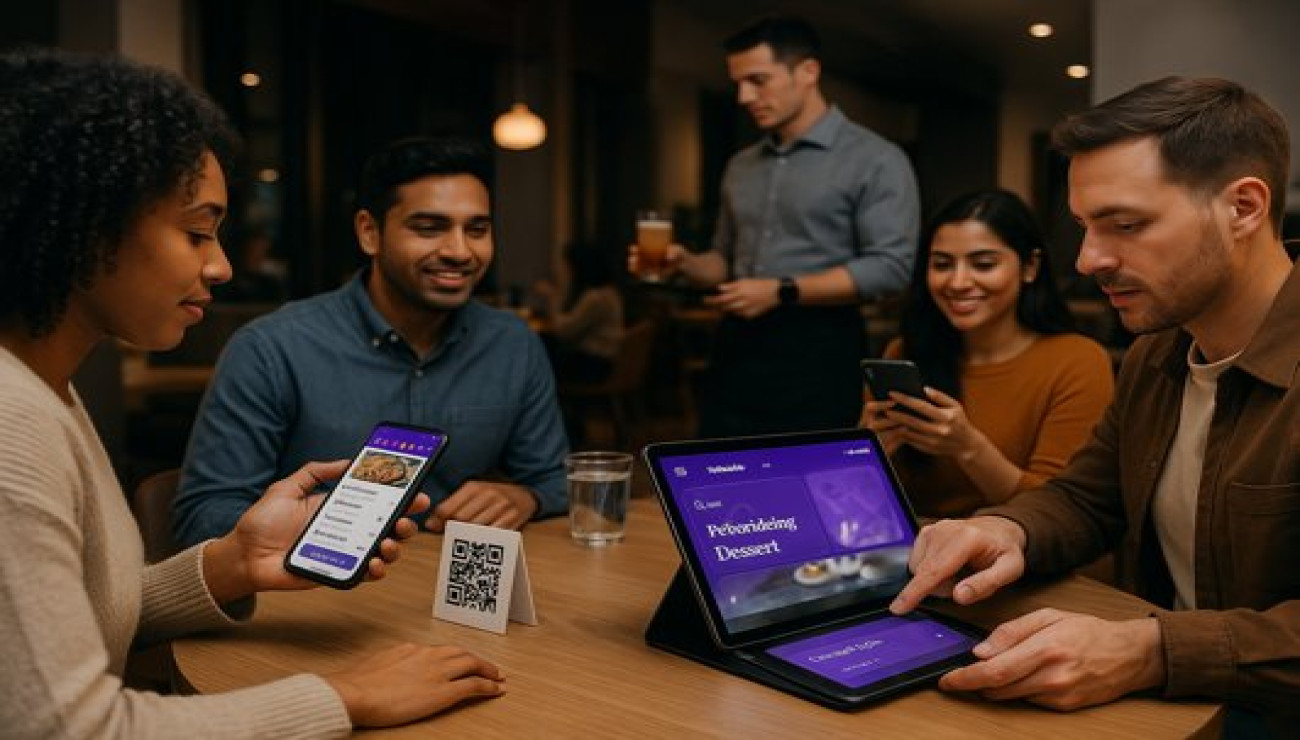
- QR Code Menus: Dine-in customers scanning your restaurant QR menu always see current availability.
- Online Ordering Platforms: Your direct online ordering for restaurants system and integrated aggregator apps (like Swiggy, Zomato) disable sold-out items.
- Social Media: Links in your Instagram bio or Facebook page point to the live menu, not a stale PDF.
- Kiosks and Tablets: In-house table ordering solution kiosks display only what's available.
This integration is often facilitated by your POS software for restaurants. A modern smart POS for small eateries can automatically mark items as sold out once inventory dips below a preset level, making the process fully automated.
Key Benefits Beyond Avoiding "Sold Out"
While eliminating the frustration of unavailable items is the primary goal, the advantages of a dynamic menu system are far more profound.
1. Strategic Menu Engineering and Upselling
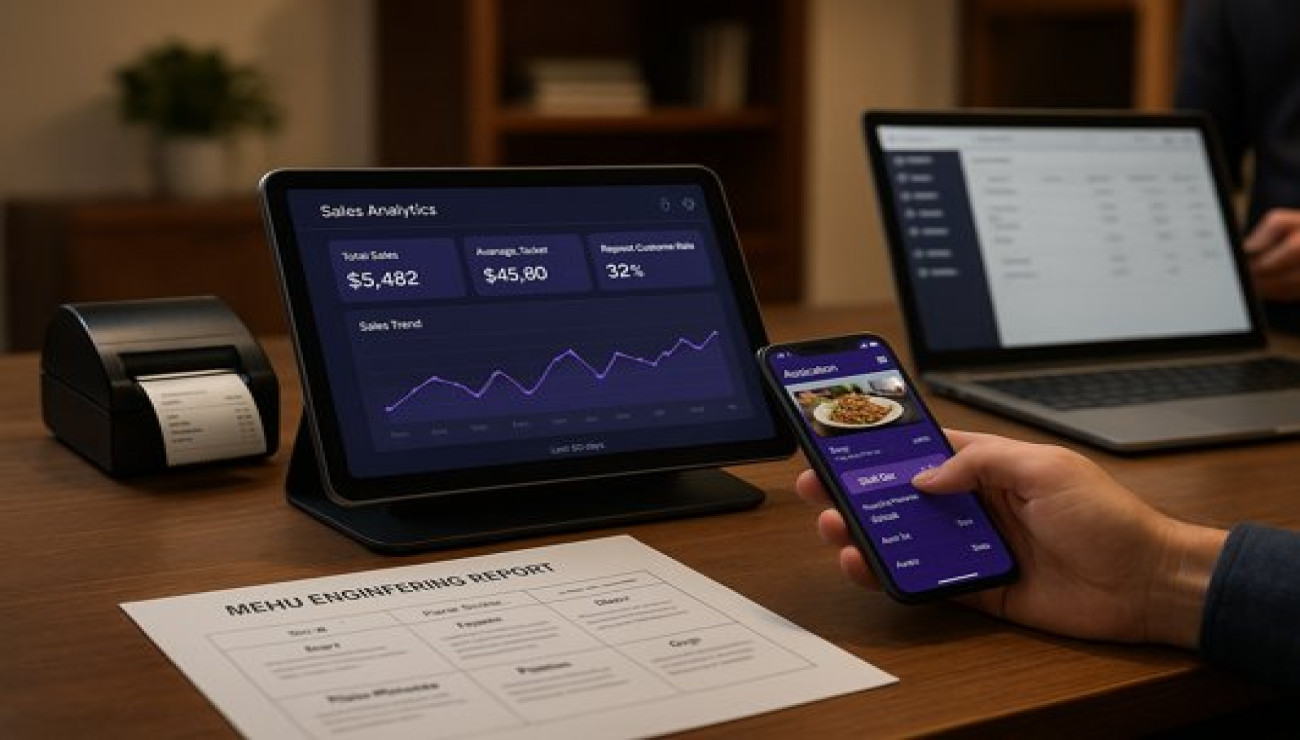
With the ability to change items instantly, you can strategically guide customer choices. Highlight high-profit margin "Chef's Specials" at the top of the digital menu. Create limited-time offers (LTOs) for slow periods to drive traffic. This direct control allows you to actively manage your average ticket value.
2. Powerful and Agile Marketing
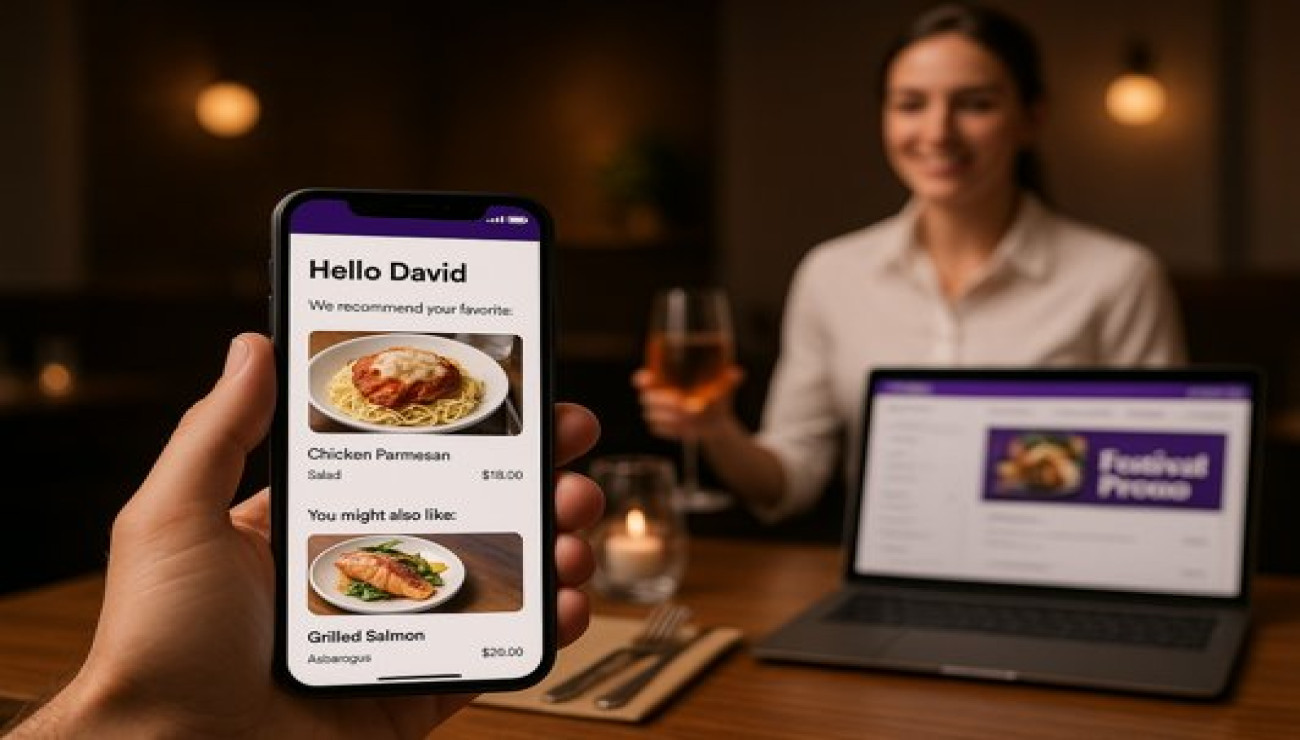
Real-time menus are a marketer's dream. Execute festival marketing for food brands with precision. Launch a special Diwali thali or Christmas feast menu across all channels moments after the kitchen is prepared. You can run flash sales ("Happy Hour Pricing on Pizzas until 7 PM!") that appear and disappear on schedule, creating urgency and driving immediate sales.
3. Enhanced Operational Efficiency
The kitchen gains control. Instead of shouting "86 Salmon!" and hoping the front-of-house hears it, the chef can update the menu status from a tablet. This drastically improves communication, reduces stress, and is a cornerstone of efficient dine-in tech. This leads to a measurable improvement in order accuracy, a critical KPI.
4. Improved Customer Trust and Experience
Transparency builds trust. Customers appreciate knowing what's available before they order. A seamless experience where they get exactly what they expect increases satisfaction and loyalty, directly boosting your repeat purchase rate. A contactless menu solution that is always accurate also enhances perceived hygiene and modernity.
A Real-World Scenario: From Chaos to Control
A popular cloud kitchen specializing in biryanis faced a constant challenge during weekends: their signature Hyderabadi Dum Biryani would sell out by 8:30 PM, but orders would continue to pour in from their own website and aggregators. This led to a high rate of order cancellations, frustrated customers, and negative reviews.
They implemented a real-time food ordering system integrated with their restaurant billing software. Now, the moment the kitchen team marks the last biryani as prepared in the POS, the item is automatically grayed out and marked "Sold Out" on their website, their aggregator storefronts, and their QR code food menu for walk-in customers. The result? A 95% reduction in order cancellations due to stock-outs and a 15% increase in customer satisfaction scores on delivery apps. They also used the system to promote their next-best-selling item instantly, protecting their average ticket value.
Quick-Implementation Guide: Setting Up Real-Time Menus
- Audit Your Tech: Check if your current POS software for restaurants has a built-in digital menu manager with API links to aggregators.
- Choose a Platform: If your POS doesn't support it, invest in a dedicated restaurant SaaS India solution for menu management.
- Go Digital On-Site: Implement a restaurant QR menu for dine-in guests. It's the fastest way to start.
- Integrate Your Channels: Connect your website's menu page and online ordering system to your menu manager. Ensure your WhatsApp ordering system links to the live menu.
- Train Your Team: Teach kitchen and manager staff how to update item statuses quickly and efficiently.
- Start Simple: Begin by using it to manage sold-out items. Then progress to launching daily specials.
- Promote the Feature: Let customers know your digital menu is always accurate for a better experience.
- Analyze and Adapt: Use data on popular sold-out items to better forecast inventory and optimize your menu offerings.
Metrics to Track: Proving the Value
To measure the ROI of your real-time menu system, monitor these key metrics before and after implementation:
- Order Accuracy Rate: Percentage of orders fulfilled correctly without substitutions due to unavailability. Target: Increase by over 20%.
- Average Ticket Value (ATV): Did strategic highlighting of specials increase the average spend?
- Rate of Order Cancellations: Drastically reduce cancellations due to sold-out items.
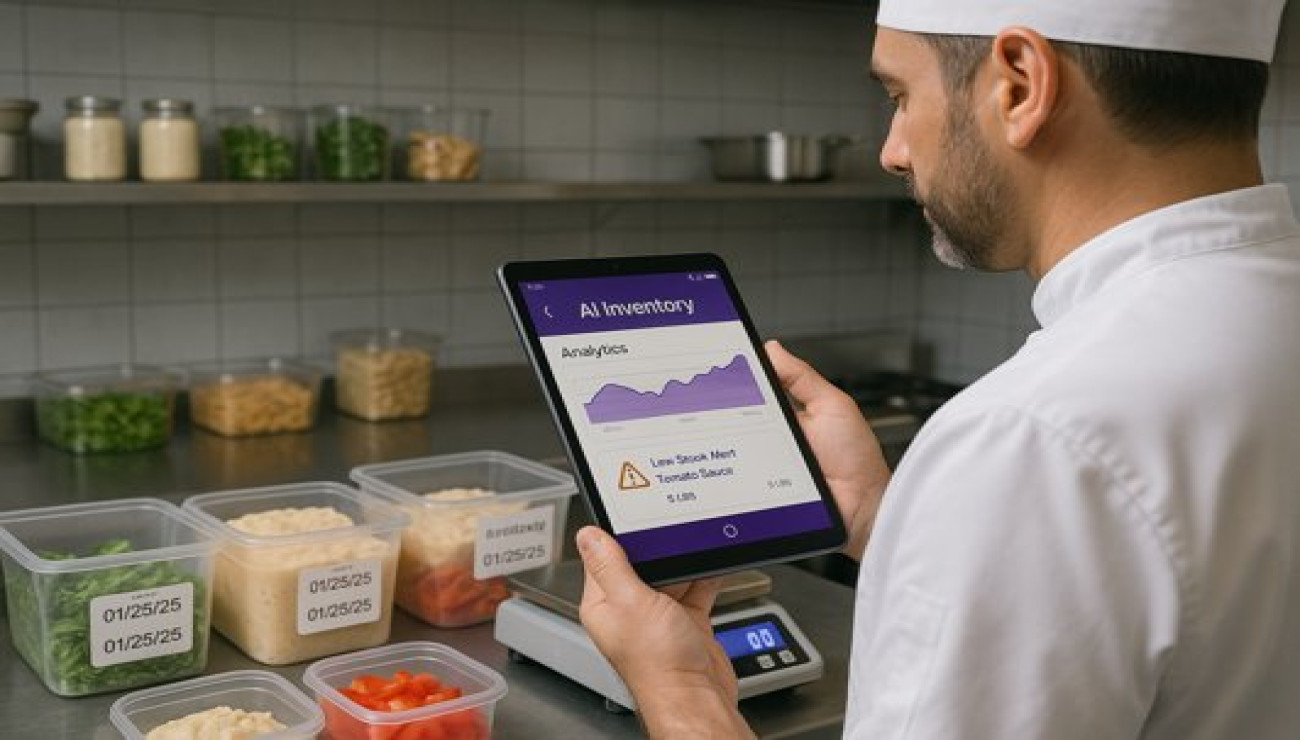
- Inventory Waste: Measure if better visibility leads to more accurate prep and less spoilage.
- Customer Satisfaction Scores: Monitor reviews and ratings for mentions of menu accuracy.
Getting Started with Your Dynamic Menu
The first step is often the simplest: ditching printed menus for a QR code food menu. This immediately gives you control over your dine-in offering. Next, audit your current tech stack. Many modern POS software for restaurants and online ordering platforms have these features built-in or available as add-ons. For a more customized approach, exploring a custom app for restaurants could provide the exact functionality you need.
The goal is to create a seamless flow of information from your kitchen to your customer, removing friction and building trust at every touchpoint.
Conclusion: Accuracy is the New Amenity
In a world where customer expectations are higher than ever, a real-time menu is no longer a luxury for tech-forward restaurants; it's a baseline requirement for operational competence and customer respect. It transforms your menu from a passive list into an active, profit-driving, and customer-pleasing tool. It’s a fundamental piece of a successful restaurant marketing strategy 2025 that values agility, transparency, and efficiency.
Stop apologizing for what's not available and start showcasing what is. Transform your menu into your most dynamic asset today.
Comments (0)