

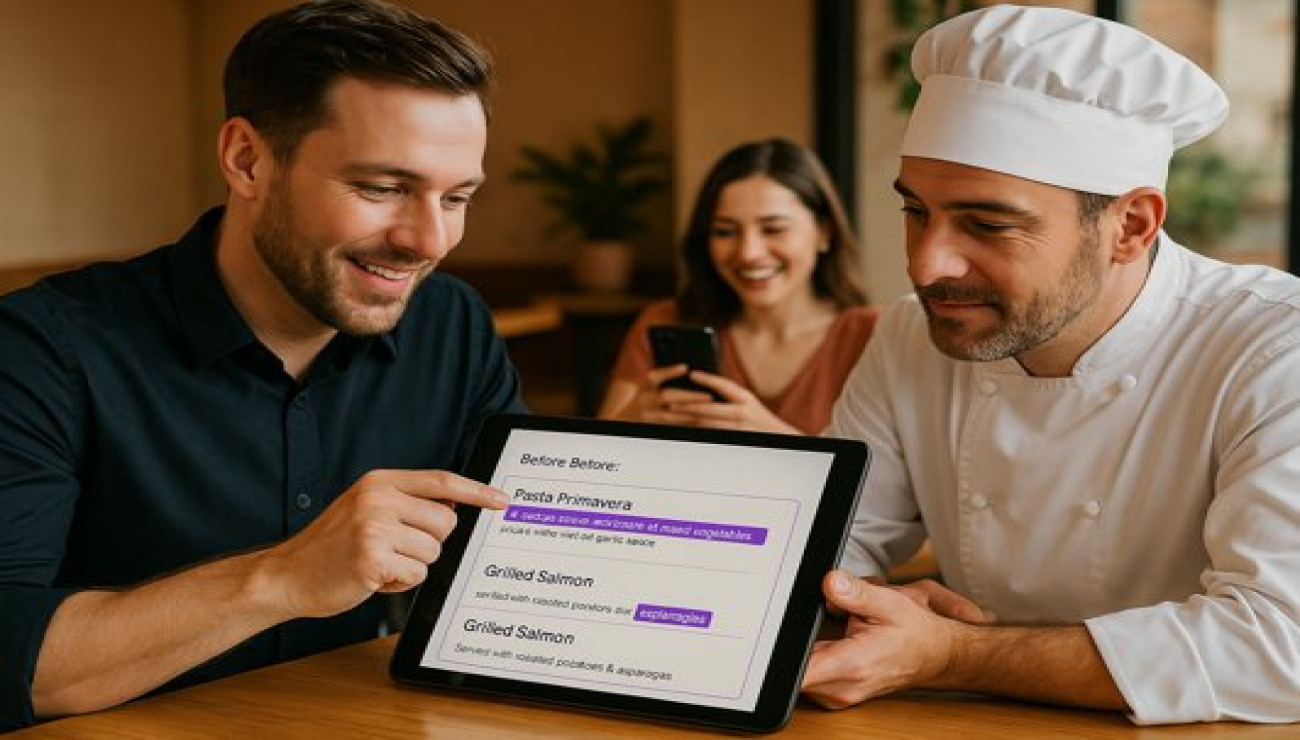
How to Write Evocative Menu Descriptions
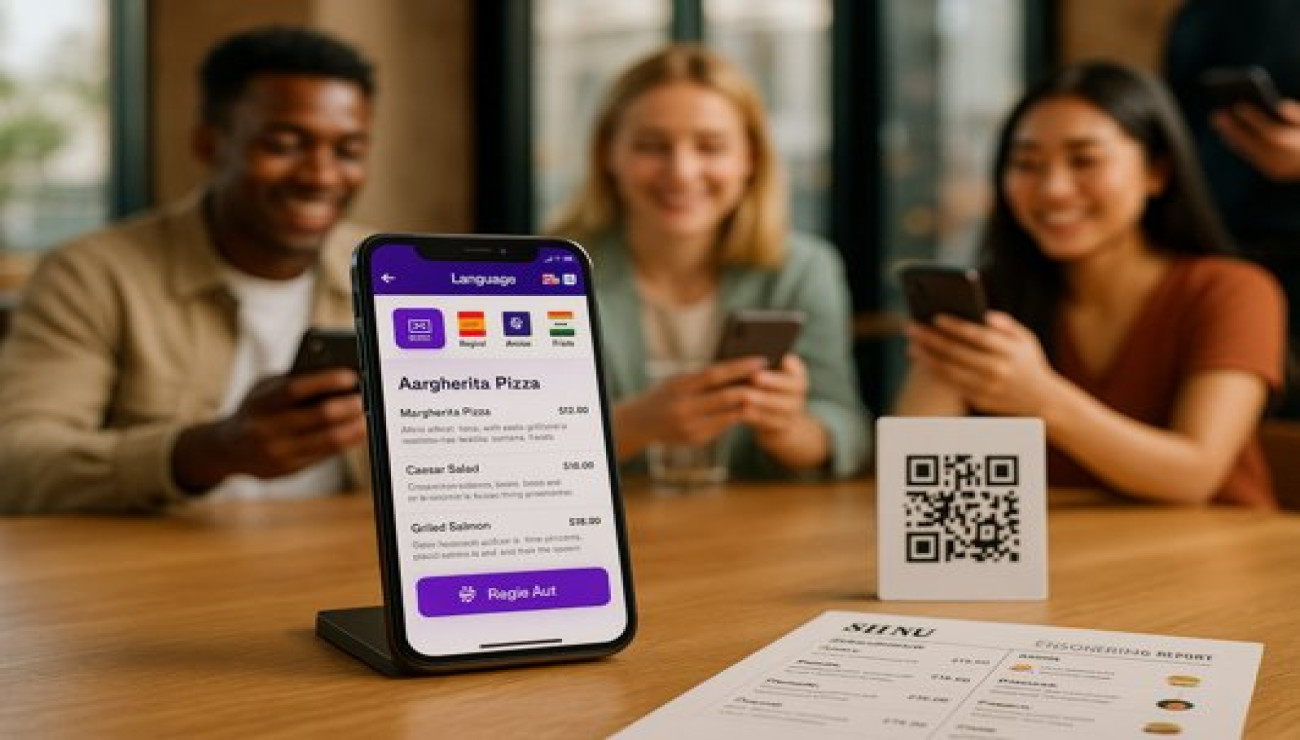
Your menu is more than a price list—it's your restaurant's silent salesperson, working tirelessly to entice customers and boost your bottom line. While beautiful food photography captures the eye, evocative menu descriptions capture the imagination, triggering sensory memories and emotional connections that transform browsing into ordering. In an era of QR code food menus and digital ordering, compelling descriptions have become even more critical as they often stand in for the server's recommendations and the ambiance of your dining room.
Mastering the art of menu writing is a powerful form of restaurant marketing strategy 2025 that directly impacts your average ticket value and overall profitability. A well-crafted description can elevate a simple dish into a must-try experience, justify premium pricing, and guide customers toward your most profitable items. Whether displayed on your restaurant website in India or your digital menu, these words serve as the bridge between your kitchen's creations and your customers' cravings.
The Psychology Behind Effective Menu Descriptions
Understanding how descriptions influence decision-making is the first step to writing more effective copy.
1. Triggering Sensory Memories
The most powerful descriptions engage multiple senses, triggering memories and cravings that rational descriptions cannot.
- Taste: Use specific flavor descriptors like "caramelized," "tangy," or "umami-rich" rather than generic terms like "tasty."
- Aroma: Words like "aromatic," "scented," or "fragrant" prepare the palate before the first bite.
- Texture: Describe mouthfeel with terms like "crispy," "velvety," "tender," or "flakey."
- Sound: Words like "crackling," "sizzling," or "crunchy" create auditory anticipation.
- Sight: Describe visual appeal with "golden-brown," "vibrant," or "artfully arranged."
2. Creating Emotional Connections
People make dining decisions based on emotion first, then justify with logic. Effective descriptions tap into these emotions.
- Nostalgia: "Grandma's recipe," "childhood favorite," "traditional preparation"
- Comfort: "Hearty," "soothing," "warming," "comforting"
- Adventure: "Exotic," "bold," "unexpected," "daring combination"
- Indulgence: "Decadent," "sinfully rich," "luxurious," "treat yourself"
The Anatomy of an Irresistible Menu Description
A well-structured description follows a proven formula that informs, entices, and persuades.
1. The Engaging Headline
Start with a compelling name that captures attention and sets expectations.
- Be Specific: "Herb-Crusted Atlantic Salmon" instead of "Baked Fish"
- Incorporate Origin: "Punjabi-style Makki di Roti" instead of "Corn Bread"
- Add Preparation Method: "Wood-Fired Margherita Pizza" instead of "Cheese Pizza"
- Use Appealing Adjectives: "Creamy," "Crispy," "Aromatic," "Fresh"
2. The Descriptive Body
This is where you build desire by highlighting key ingredients, preparation methods, and sensory appeals.
- Lead with the Main Ingredient: Start with what the customer will recognize and desire.
- Highlight Premium Ingredients: Mention specialty, local, or high-quality components that justify price.
- Describe Preparation Method: "Slow-cooked," "hand-rolled," "fire-grilled," "house-smoked"
- Include Sensory Details: Add 2-3 sensory descriptors that make the dish come alive.
- Keep it Concise: Aim for 1-2 sentences that can be quickly scanned on a digital menu.
3. The Persuasive Conclusion
End with elements that overcome hesitation and encourage ordering.
- Signature Status: "House specialty," "chef's signature," "customer favorite"
- Storytelling Element: "Inspired by our chef's travels through Kerala"
- Pairing Suggestion: "Perfect with our mango lassi" or "Pairs beautifully with a pale ale"
Strategic Menu Engineering Through Description
Your descriptions should work strategically to guide customers toward your most profitable items.
1. Highlighting High-Margin Items
Use more elaborate, enticing descriptions for your most profitable dishes ("Puzzles" and "Stars" in menu engineering terms).
- Length Matters: Longer descriptions naturally draw more attention on both physical and QR code food menus.
- Premium Language: Use words that justify higher price points: "artisanal," "imported," "handcrafted," "premium."
- Visual Emphasis: On digital menus, use subtle highlighting or icons to draw attention to these items.
2. Making Healthy Options Sound Indulgent
Health-conscious items often need extra description to sound appealing.
- Focus on Flavor, Not Restriction: Instead of "low-fat," say "light and refreshing."
- Highlight Freshness: "Farm-fresh," "just-picked," "seasonal," "crisp"
- Emphasize Natural Qualities: "Naturally sweet," "wholesome," "nourishing"
Technical Considerations for Digital Menus
Writing for digital platforms requires additional considerations beyond traditional menu writing.
1. Optimizing for Mobile Reading
Most customers will view your menu on a mobile device, which impacts how descriptions should be structured.
- Front-Load Key Information: Place the most compelling words at the beginning where they're immediately visible.
- Use Scannable Formatting: Break up text with line spacing or bullet points for easy reading on small screens.
- Prioritize Concision: Mobile users have even less patience for lengthy descriptions.
2. SEO for Online Menus
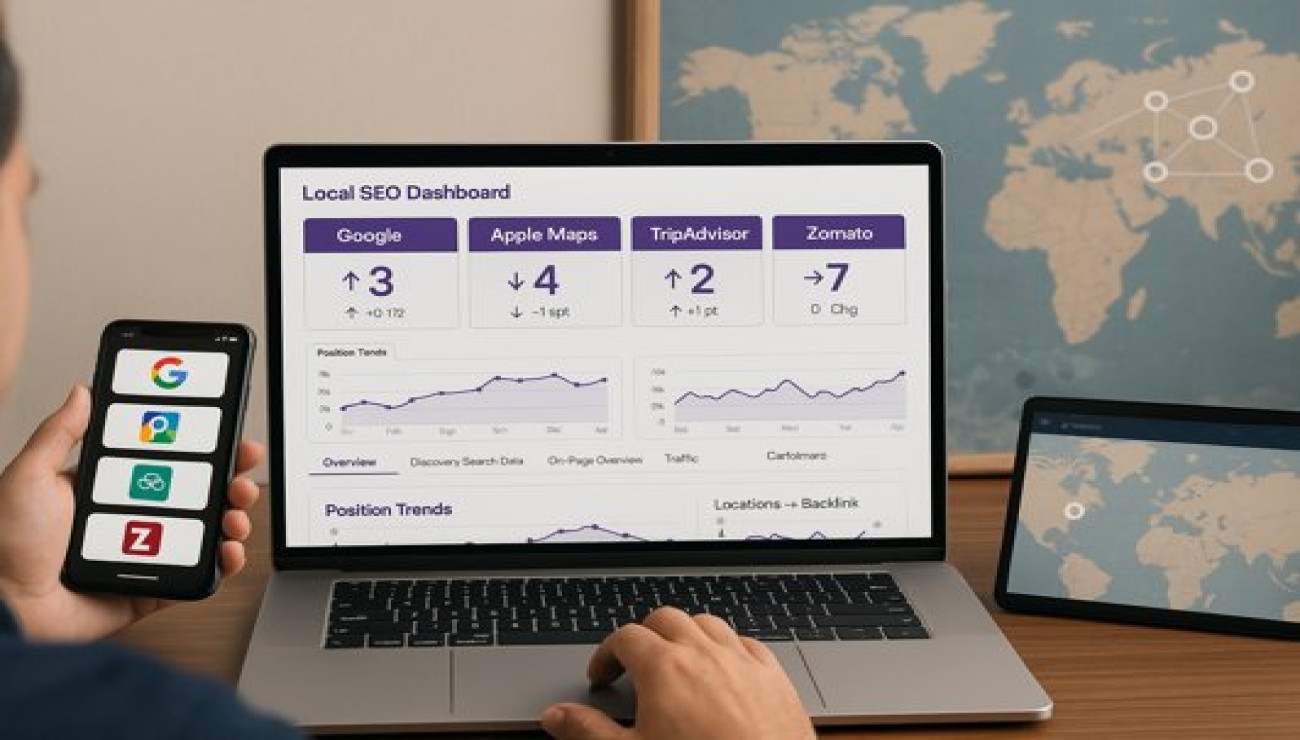
Your menu descriptions can also help with local SEO for restaurants when displayed on your website.
- Include Local Keywords: Naturally incorporate your city or neighborhood name: "featuring fresh produce from local Bangalore markets."
- Use Natural Language: Include phrases people might search for: "best butter chicken in Mumbai."
- Implement Schema Markup: Use structured data to help search engines understand your menu items.
A Case Study: From Generic to Compelling
A restaurant struggling with slow-moving but high-margin seafood dishes revised their menu descriptions. The original description: "Grilled Salmon - ₹850"
The revised description: "Wood-Grilled Atlantic Salmon - ₹950
Fresh Norwegian salmon fillet grilled over applewood, finished with lemon-dill butter sauce and served with roasted seasonal vegetables and saffron-infused rice."
Results after one month:
- 45% increase in salmon orders despite the price increase
- Higher customer satisfaction scores mentioning the dish specifically
- Increased add-on sales of recommended wine pairings
- Improved perceived value that justified the premium pricing
Menu Description Writing Checklist
- Identify Your Stars: Determine which high-profit items deserve the most descriptive real estate.
- Gather Information: Talk to chefs about ingredients, sourcing, and preparation methods.
- Use Sensory Language: Incorporate taste, aroma, texture, and visual appeal descriptors.
- Highlight Premium Ingredients: Mention specialty, local, or imported components.
- Describe Preparation Methods: Include cooking techniques that add value.
- Add Story Elements: Incorporate heritage, inspiration, or signature status where appropriate.
- Keep it Concise: Edit ruthlessly to maintain scannability, especially for digital menus.
- Test and Refine: Monitor sales data and customer feedback to continuously improve descriptions.
Conclusion: Words That Sell
Evocative menu descriptions are among the most cost-effective marketing tools available to restaurants. They require no additional kitchen space, no new staff, and no equipment investment—just thoughtful attention to how you present your offerings. In a competitive landscape where customers have endless options, the words you choose can make the difference between a dish that languishes and one that becomes a signature favorite. By mastering the art of menu writing, you transform your menu from a simple list into a powerful profit engine.
Transform your menu from a price list into a persuasive storyteller that guides customers to your most profitable dishes.

Comments (0)