

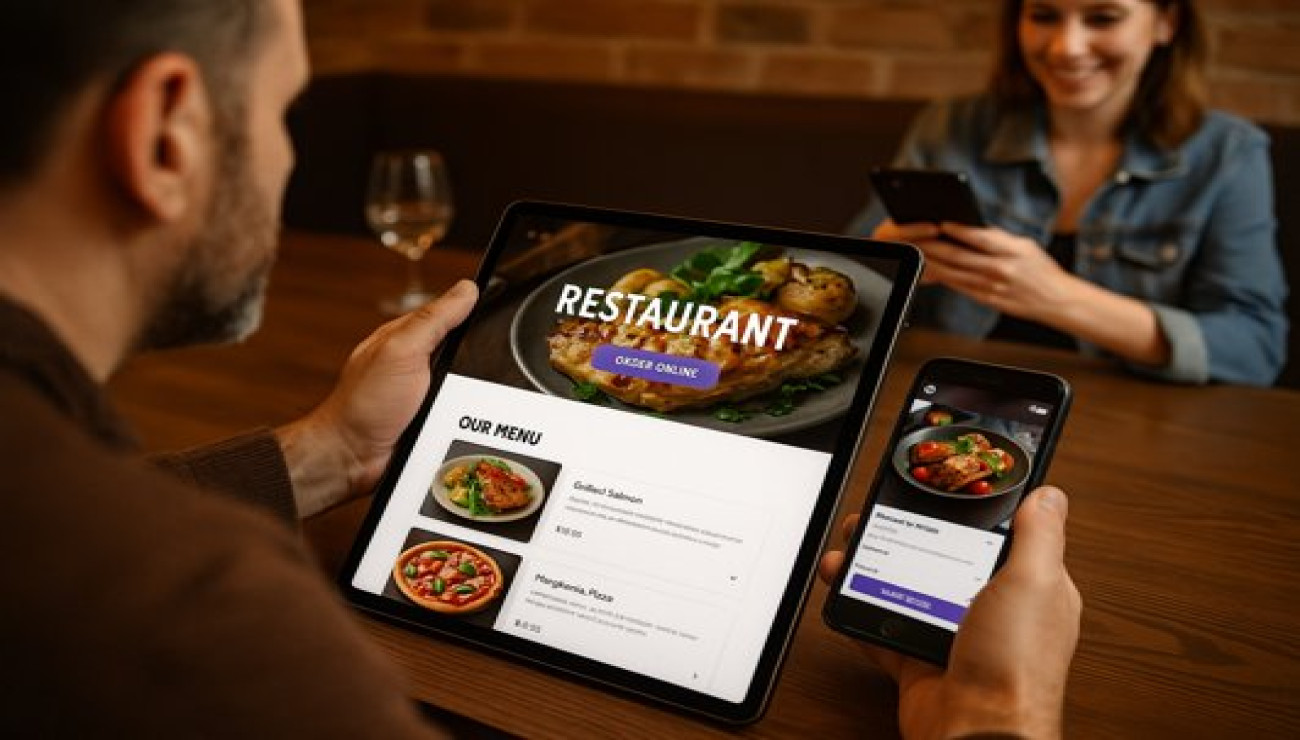
Why Your Restaurant Needs a Custom Website
In an era where a Google search is the new storefront window, relying solely on third-party delivery apps and social media profiles is like renting a billboard instead of owning prime real estate. While platforms like Zomato, Swiggy, and Instagram are valuable for discovery, they ultimately control your customer relationships, data, and branding. A custom website for your restaurant is not a luxury; it's the cornerstone of your digital identity and the most powerful tool to grow restaurant business online. It's your owned asset, your 24/7 salesperson, and the command center for your entire restaurant marketing strategy 2025.
A custom website goes far beyond a basic online presence. It's a strategic hub that integrates your online ordering for restaurants system, showcases your brand story, captures valuable customer data, and directly drives revenue without commission fees. For restaurant owners, cafe managers, and cloud kitchens, investing in a professional website is the first step toward building a sustainable, profitable, and independent digital business.
The Critical Advantages of a Custom Restaurant Website
Your website is the only platform where you have complete control over the user experience, branding, and data. This control translates into significant business advantages that third-party platforms cannot offer.
1. Own Your Customer Relationships and Data
Third-party platforms own the customer data. When someone orders through an aggregator, you get a name and an order, but you cannot market to them directly. Your custom website allows you to build a owned email and SMS list. You can track customer behavior, order history, and preferences, enabling personalized marketing that dramatically increases your repeat purchase rate. This direct line to your customers is invaluable for promoting new menus, special events, and loyalty programs.
2. Maximize Profitability by Eliminating Commission Fees
Aggregator commissions can range from 15% to 30% per order, drastically cutting into your already thin margins. Direct orders through your website eliminate these fees. Even a modest shift of 20-30% of your online orders to your direct channel can result in a substantial increase in net profit. Promoting your direct ordering through your QR code food menu and social media is crucial for driving this profitable traffic.
3. Build a Cohesive and Authentic Brand Story
Your website is the perfect canvas to tell your unique story. Showcase high-quality photos of your food and ambiance, introduce your chef and team, and share the inspiration behind your menu. This depth of storytelling builds an emotional connection with potential guests, something that a standardized aggregator listing cannot achieve. A strong brand story justifies premium pricing and fosters customer loyalty.
4. Become the Hub of Your Digital Ecosystem
Your website should be the central command center that connects all your digital solutions for food business. It's where you can:
- Integrate your direct food ordering system.
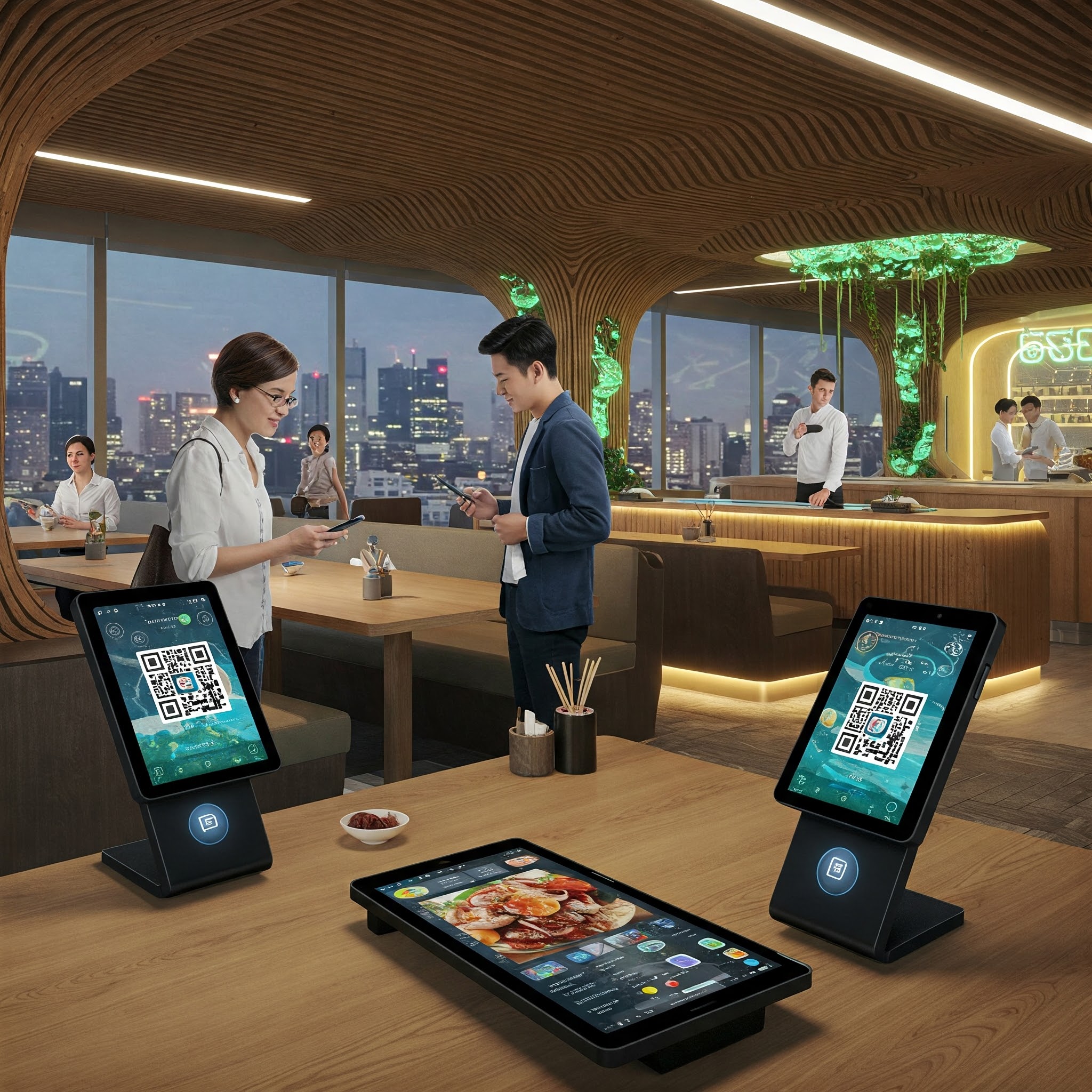
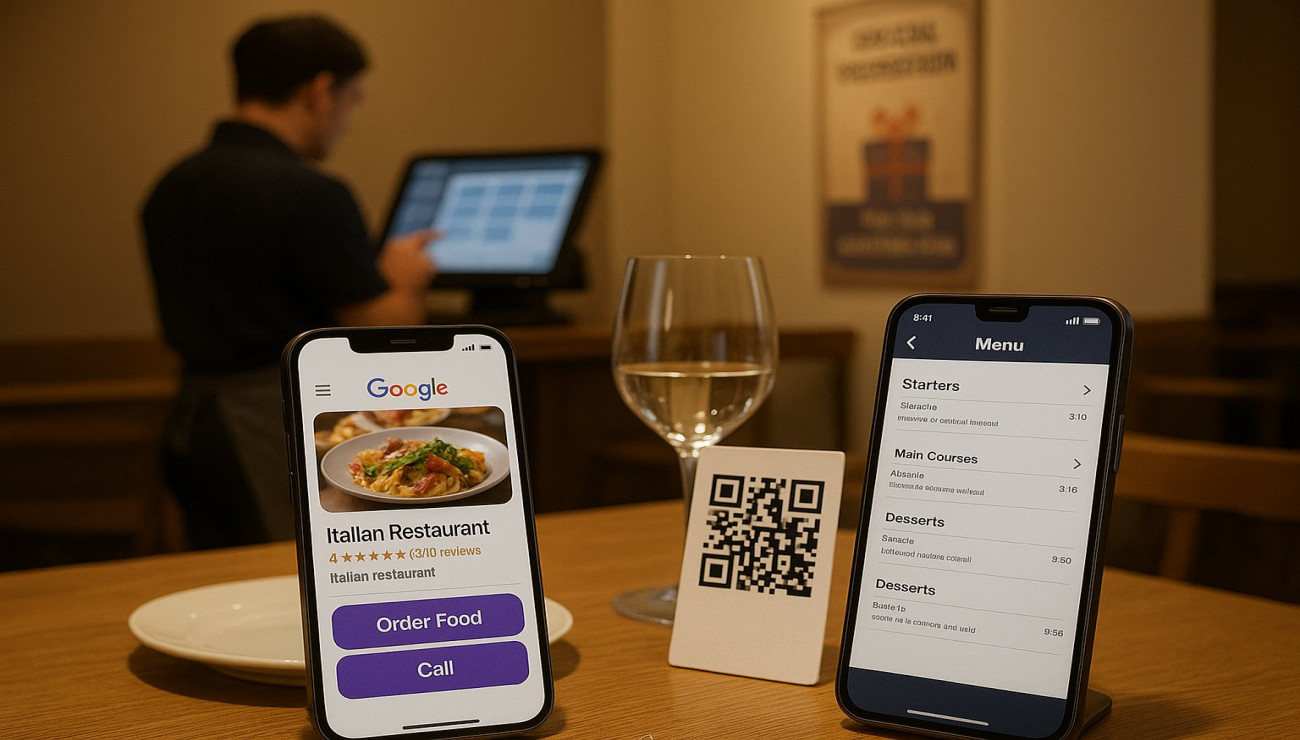
- Link your live restaurant QR menu.
- Promote your WhatsApp ordering system.
- Showcase positive reviews and testimonials.
- Manage table reservations seamlessly.
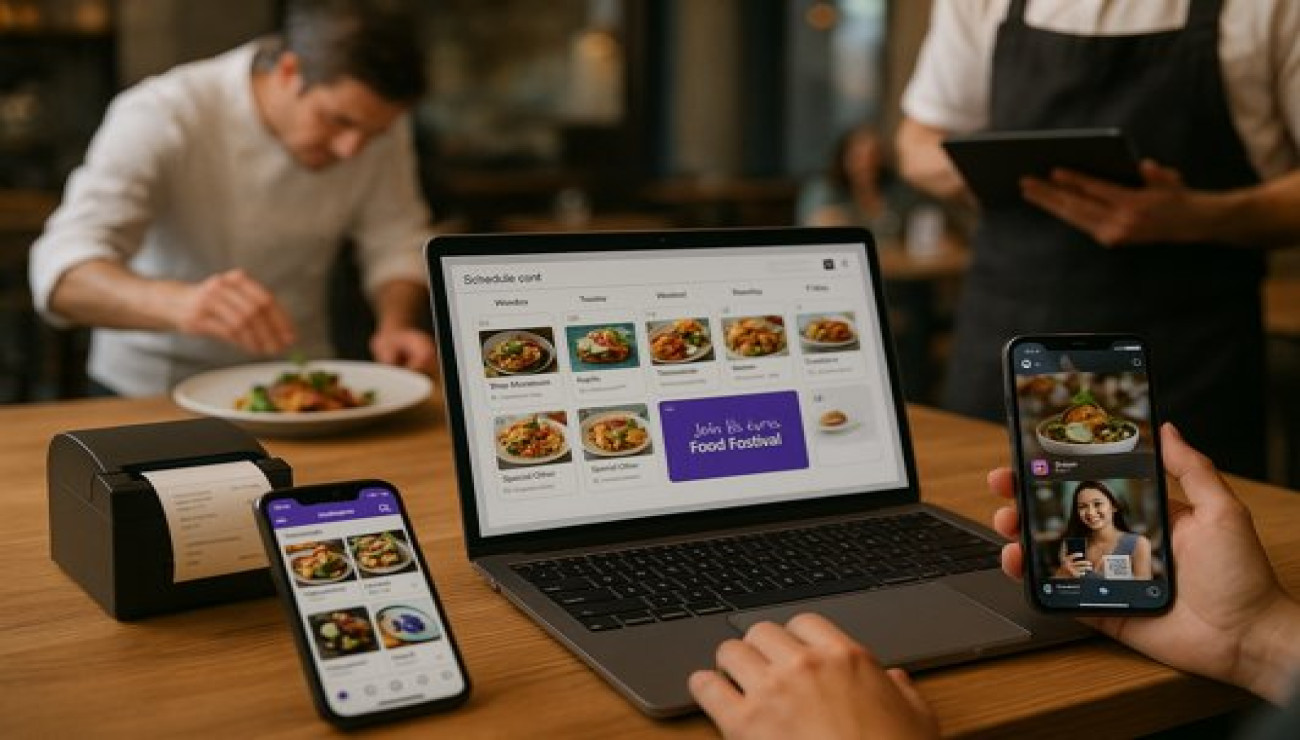
- Blog about your festival marketing for food brands initiatives.
Essential Features of a High-Converting Restaurant Website
A successful restaurant website is designed for speed, clarity, and conversion. Every element should guide the visitor toward placing an order, making a reservation, or visiting your location.
1. Mobile-First, Lightning-Fast Design
Over 70% of customers will browse your menu on their phone. Your website must be optimized for mobile devices with fast loading times, easy navigation, and thumb-friendly buttons. A slow or clunky mobile experience will instantly drive potential customers back to aggregator apps.
2. Integrated Online Ordering and Payment
The path to ordering must be frictionless. Your online ordering for restaurants system should be built directly into the website, not linked out to a third-party site. Offer multiple payment options, including credit/debit cards, net banking, UPI, and cash on delivery, to cater to all preferences.
3. A Dynamic, Visually Stunning Menu
Your digital menu should be the star of the show. Use high-resolution images, clear descriptions, and filters for categories (veg/non-veg, bestsellers, etc.). For dine-in guests, prominently display your QR code food menu to encourage scanning and direct ordering from the table.
4. Clear Calls-to-Action (CTAs)
Every page should have a clear primary goal. Use bold, contrasting buttons with action-oriented text like "Order Food Now," "Book a Table," or "View Our Menu." The color of these buttons should stand out, using your accent color like #563d7c to draw attention.
5. SEO Optimization for Local Discovery
Your website is your most powerful tool for local SEO for restaurants. Optimize your site with relevant keywords, your location, and your menu to rank higher in Google searches for terms like "best pizza in [your city]" or "cafe near me." This drives highly qualified, free traffic to your site.
A Case Study in Digital Independence
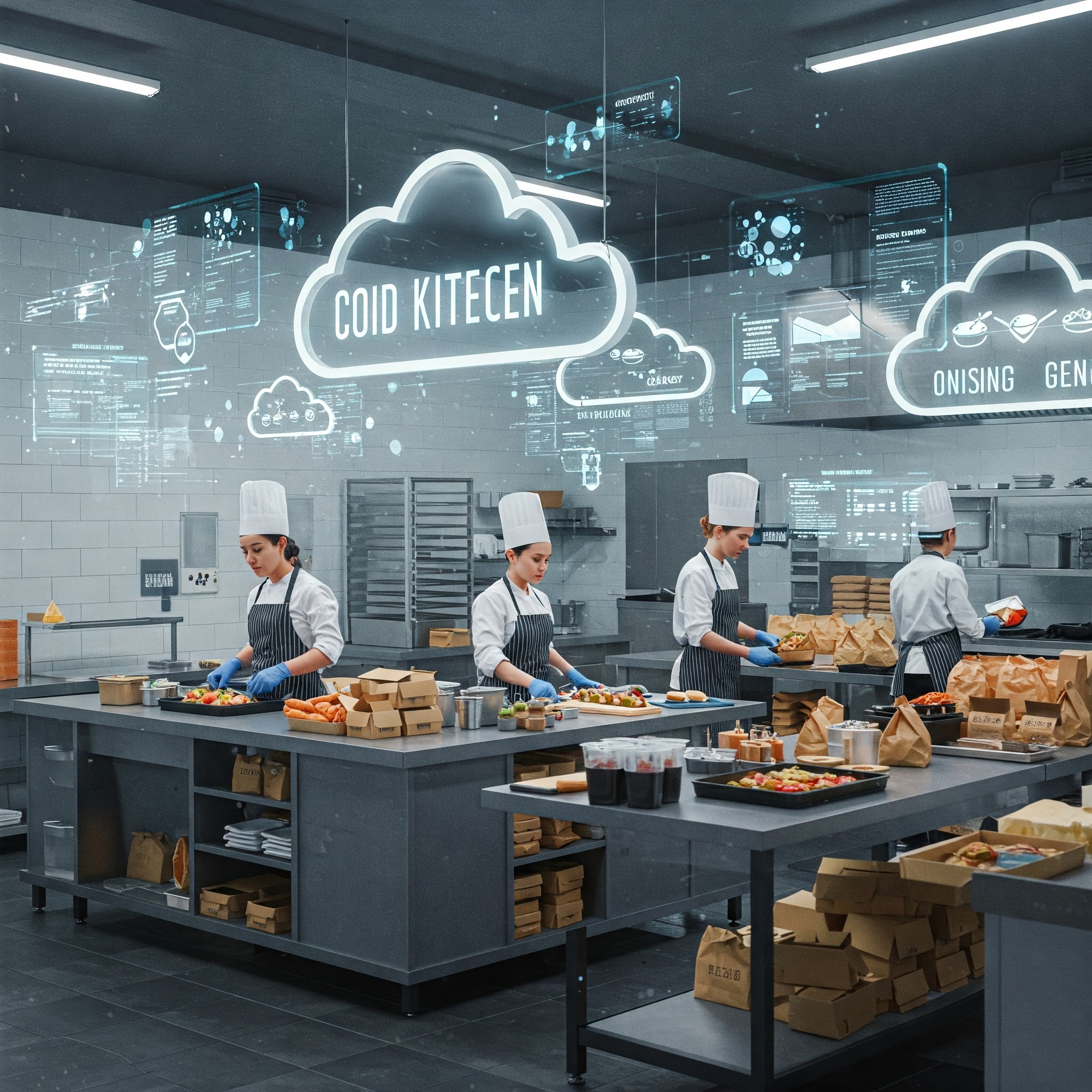
A cloud kitchen specializing in North Indian cuisine was relying entirely on aggregators, paying 25% commission on every order. They decided to invest in a custom website with integrated ordering. They promoted the direct ordering link on their social media, via their delivery drivers (with package inserts), and through a small discount incentive for first-time direct orders.
Within three months, direct orders through their website accounted for 35% of their total online sales. This shift alone increased their net profit by over 8%. Furthermore, by capturing customer emails and phone numbers through the website, they launched a simple SMS campaign for a monsoon promotion, which achieved a 15% redemption rate. They now use their website as the primary platform for testing new dishes and gathering direct feedback, making it the true engine of their growth.
Your Restaurant Website Implementation Checklist
- Secure a Memorable Domain Name: Choose a name that reflects your restaurant and is easy to spell.
- Choose a Reliable Hosting Provider: Ensure fast loading speeds and high uptime for your region.
- Design for Mobile First: Over 70% of your traffic will come from mobile devices.
- Integrate a Direct Ordering System: Choose a food ordering system that seamlessly blends into your site.
- Implement a Live Chat/WhatsApp Button: Make it easy for customers to ask questions and order.
- Optimize for Local SEO: Include your location, menu, and keywords throughout your site.
- Promote Your Website Everywhere: Add the URL to your social bios, Google Business Profile, packaging, and QR menus.
- Install Analytics: Use Google Analytics to track traffic, conversions, and customer behavior.
Conclusion: Your Website is Your Digital Home
In the digital age, your restaurant's website is more than a brochure—it's your most valuable business asset. It's the only place where you control the narrative, the customer experience, and the profits. While third-party platforms are important for discovery, your custom website is where you build lasting relationships and sustainable revenue. It is the foundation upon which all other restaurant marketing strategy 2025 efforts are built. Don't just be a tenant on someone else's platform; build and own your digital home.
Stop paying commissions and start building equity in your own brand. Invest in a custom website today.
Comments (0)