

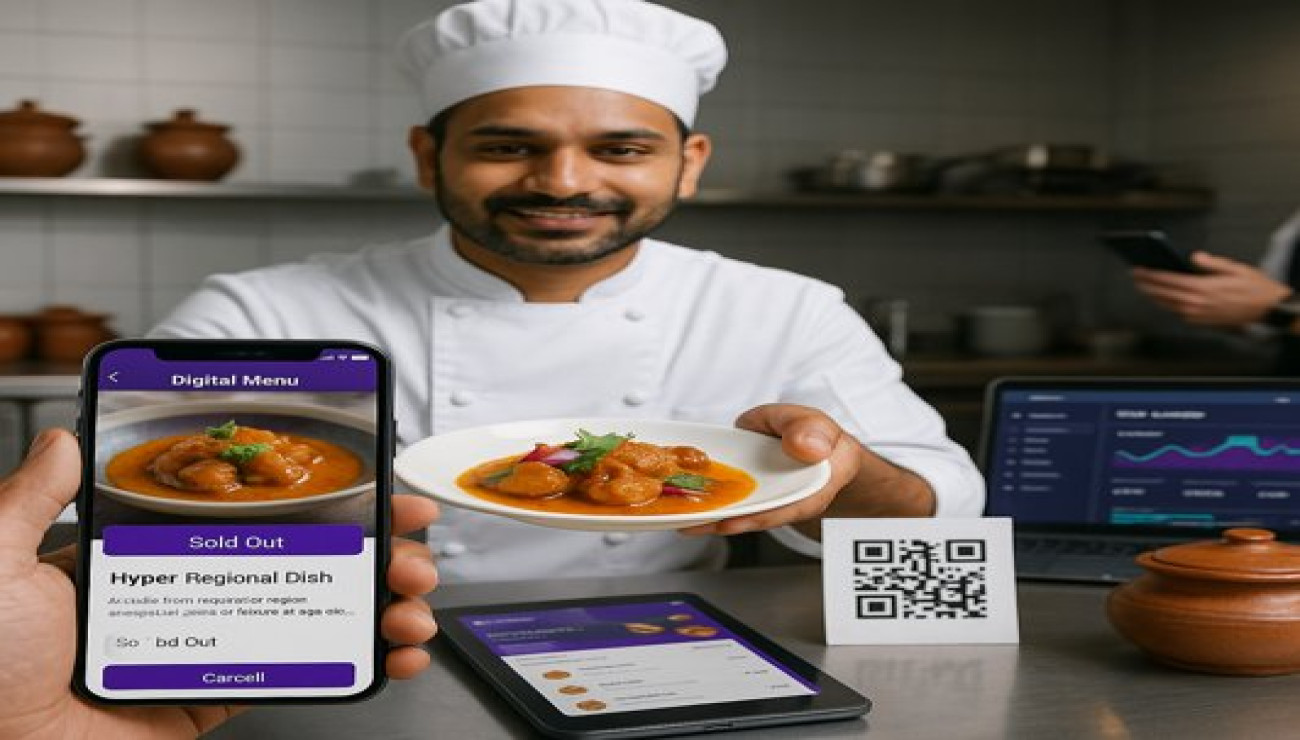
India’s Culinary Renaissance 2025
India's food scene is on the cusp of a monumental transformation. By 2025, the nation is poised to experience a full-blown culinary renaissance—a dynamic fusion of hyper-regional authenticity, cutting-edge technology, and global culinary trends. This isn't just about new dishes; it's a fundamental reshaping of how food is sourced, prepared, marketed, and experienced. For restaurant owners, cloud kitchens, and food entrepreneurs, this renaissance represents an unprecedented opportunity to innovate, differentiate, and capture the appetite of a new generation of discerning Indian diners.
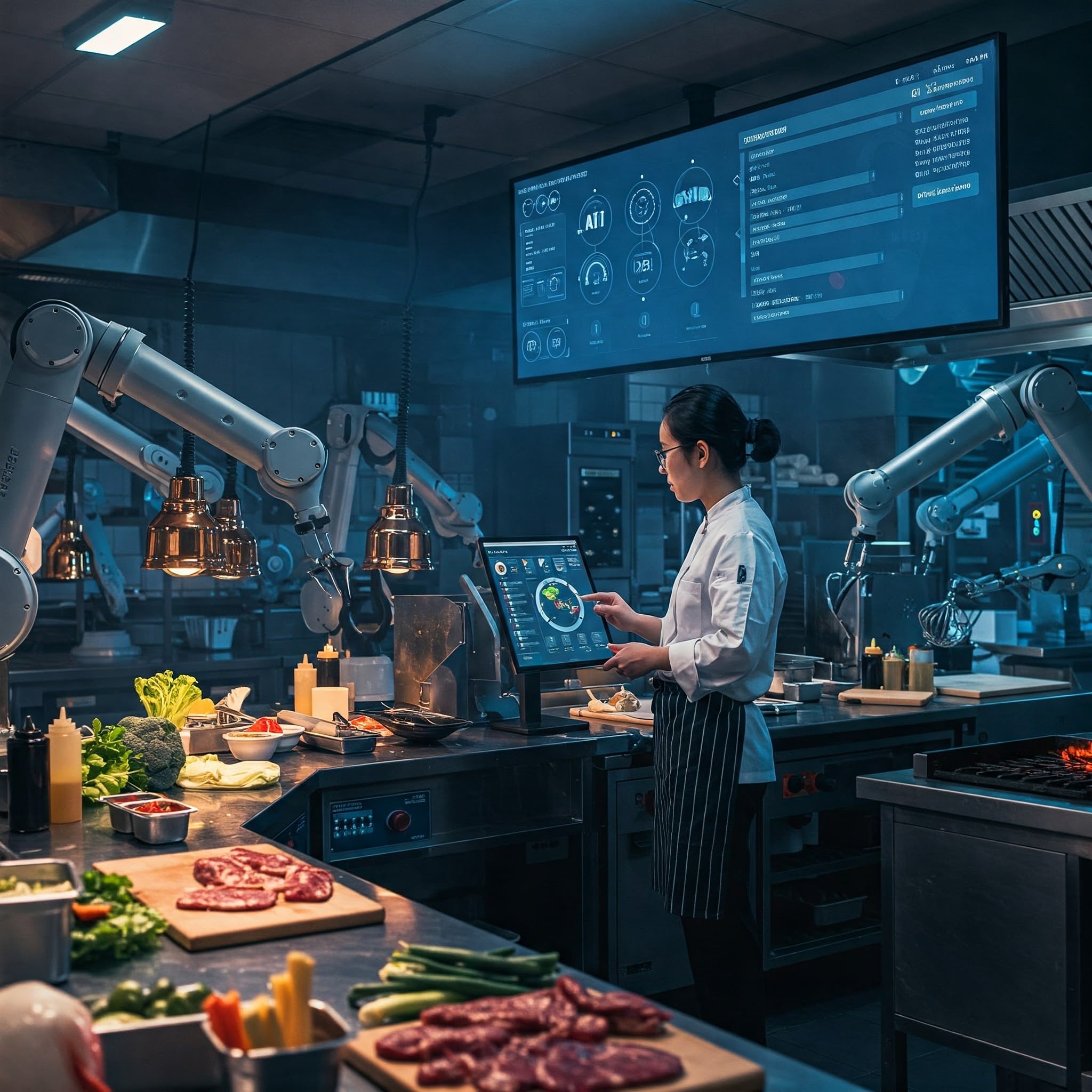
This revolution is being fueled by a powerful combination of factors: a digitally-native youth population with disposable income, a surge of pride in local ingredients and traditions, and the rapid adoption of digital solutions for food business that enable unprecedented creativity and efficiency. The successful food business of 2025 will be one that masterfully blends the soul of traditional Indian cooking with the smarts of modern technology and marketing.
The Pillars of India's 2025 Food Revolution
Several key trends will define this new era, creating a vibrant and competitive landscape for those ready to embrace them.
1. Hyper-Regional & Heritage Cuisines Go Mainstream
Move over, butter chicken and naan. The demand is shifting towards authentic, hyper-local dishes that tell a story. Diners are seeking out the specific flavors of Kashmir, Chettinad, Kerala, Nagaland, and Gujarat with a newfound curiosity.
- The Opportunity: Restaurants can differentiate by specializing in a specific regional cuisine, offering depth instead of a pan-Indian menu. This authenticity becomes a powerful marketing tool.
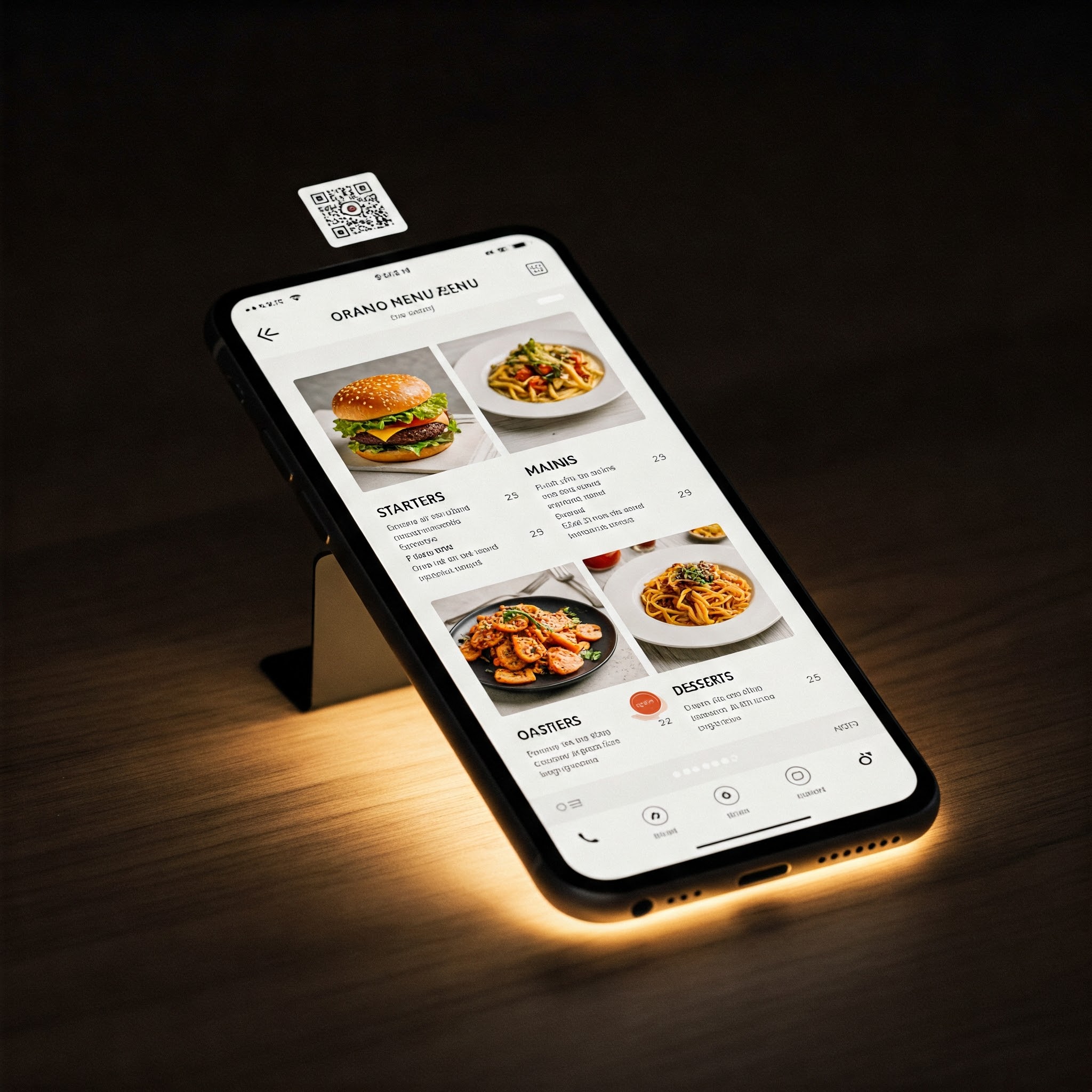
- The Tech Enablement: Use your restaurant website in India and social media to educate customers about the history and ingredients of these dishes. A QR code food menu can link to short videos of the chef explaining the origin of a signature dish.
2. The Tech-Infused Dining Experience
Technology will be seamlessly woven into the fabric of dining, enhancing convenience without compromising on hospitality.
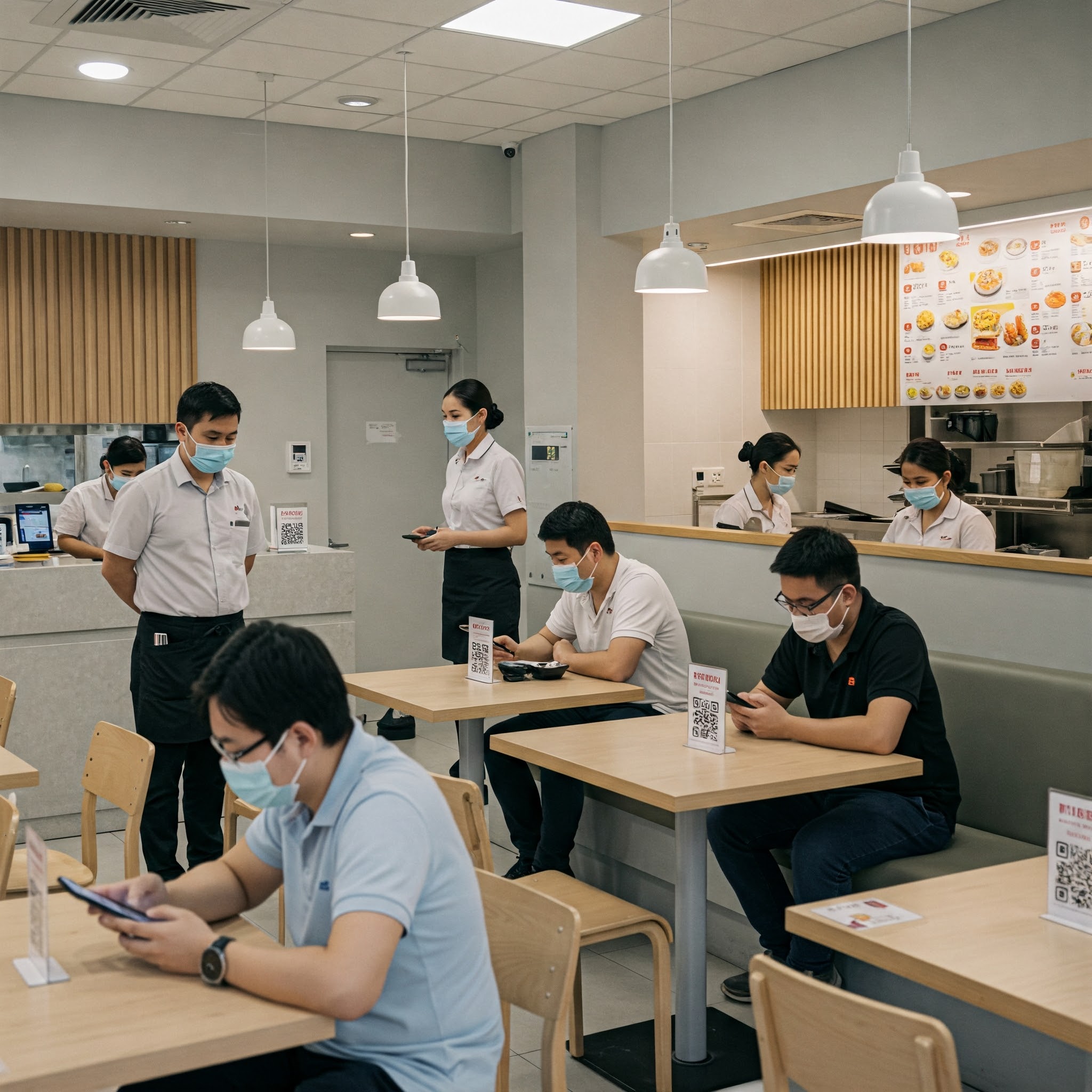
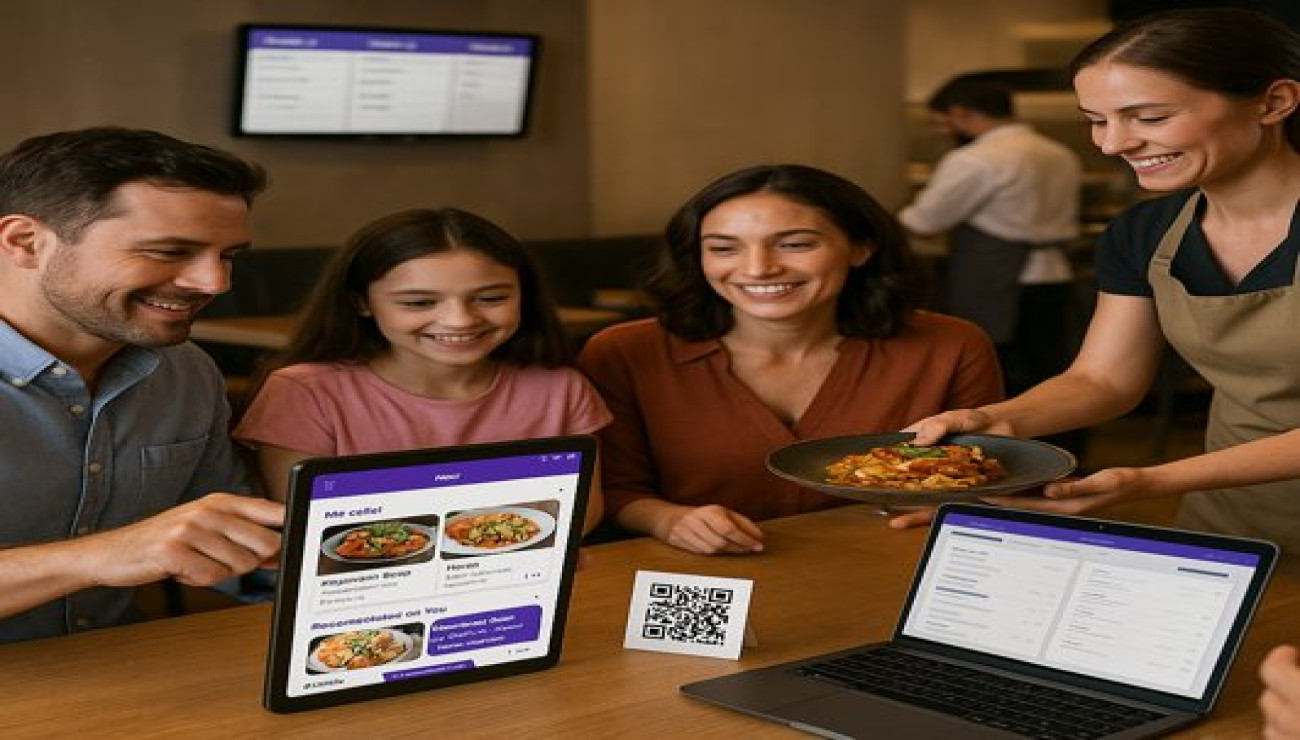
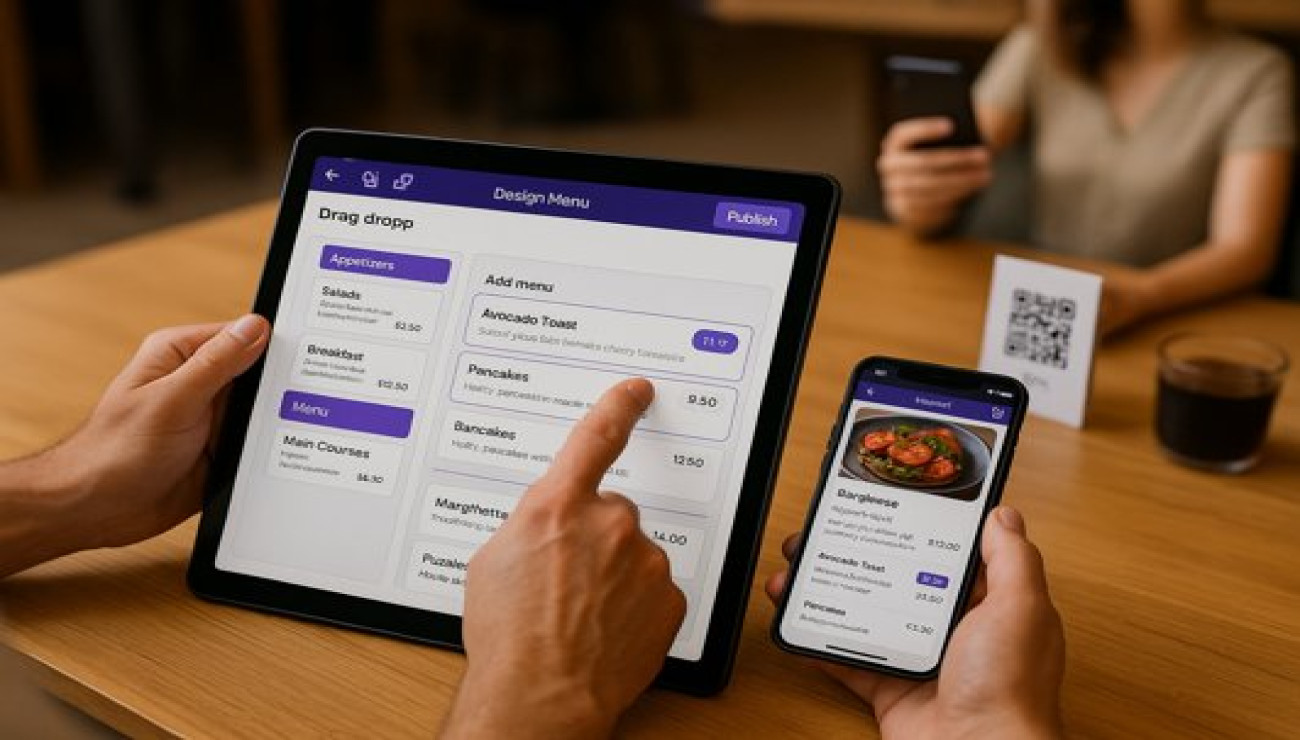
- Contactless & Frictionless: Contactless menu solution via QR codes will be the standard, but will evolve into personalized menus that remember customer preferences. Table ordering solution kiosks will become common, freeing up staff to provide more attentive service.
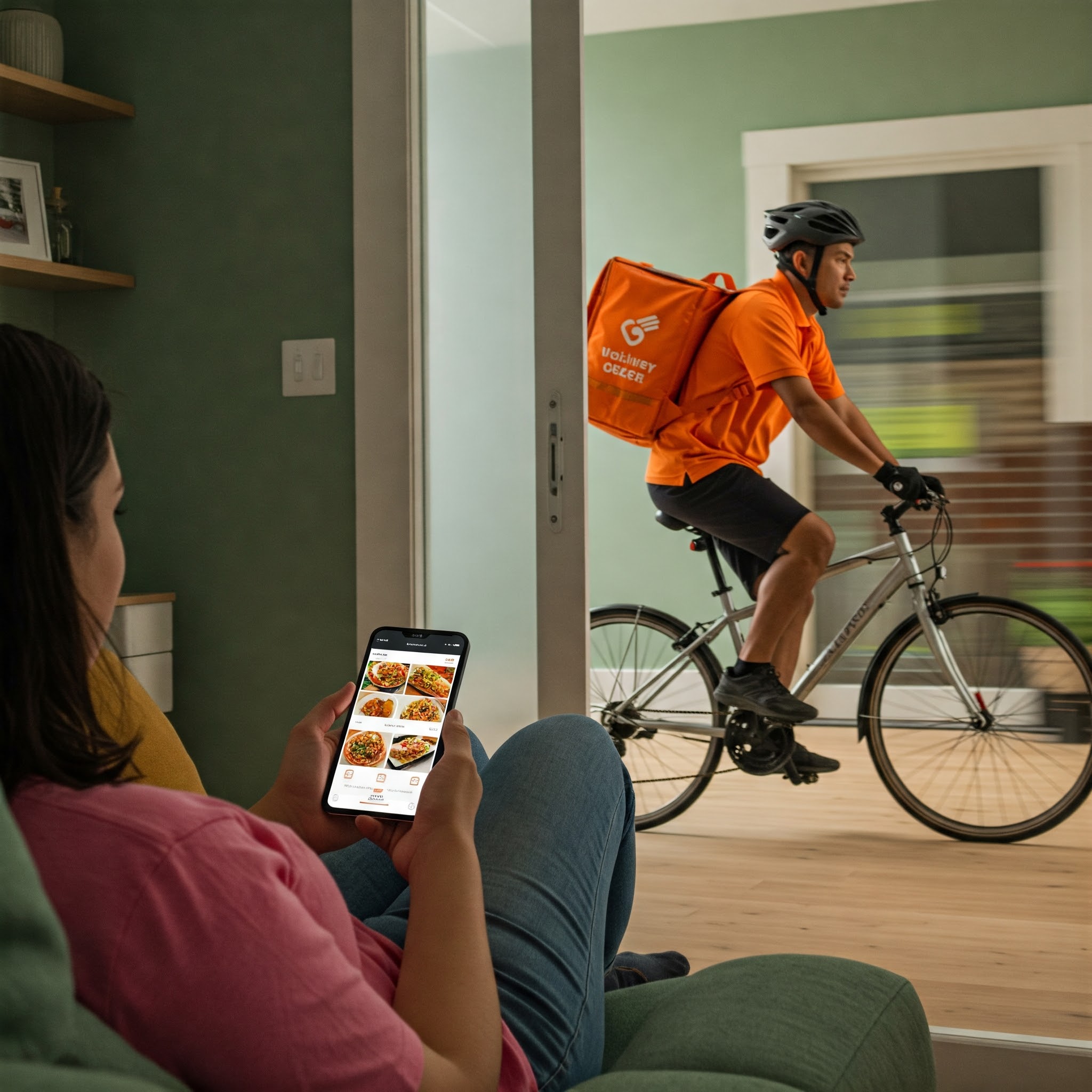
- Omnichannel Ordering: Customers will expect to order via their preferred channel—whether it's directly from your website, a WhatsApp ordering system, a delivery app, or a voice command. Integration is key.
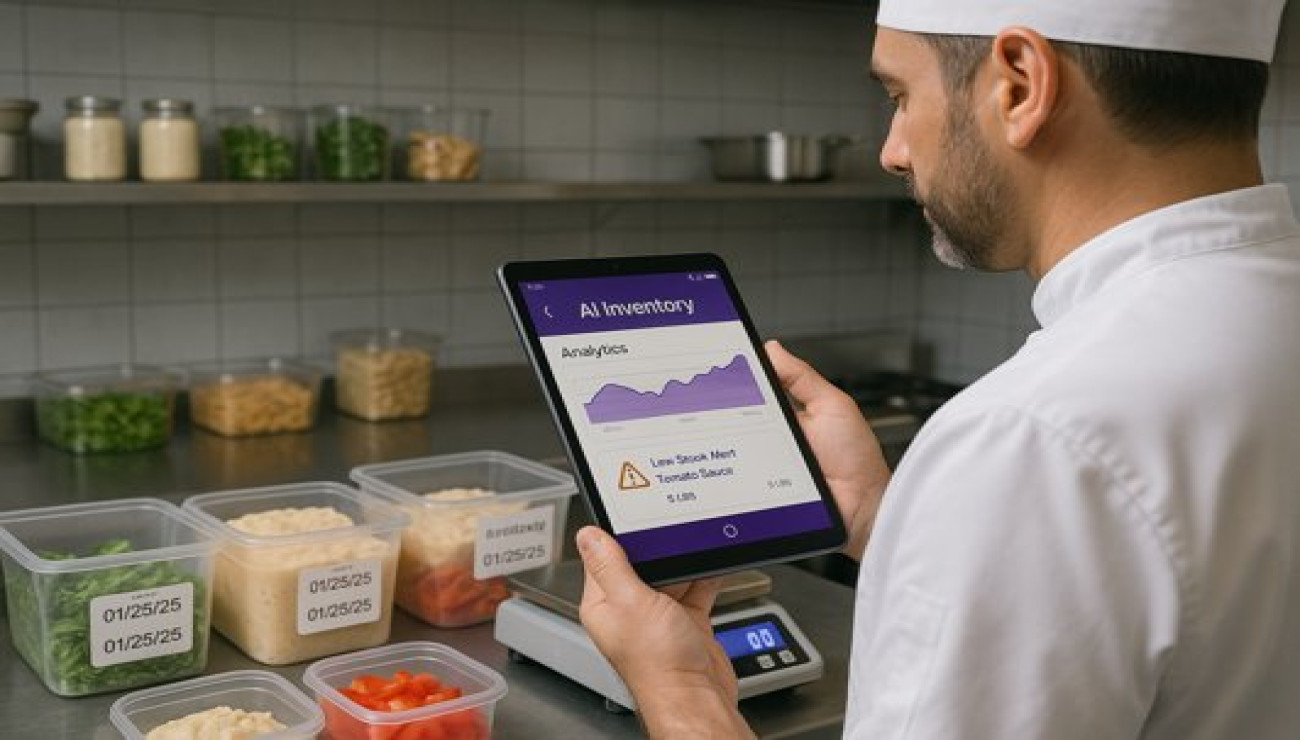
- Data-Driven Decisions: POS software for restaurants will provide deep analytics on menu performance, customer behavior, and inventory, allowing for smarter, more profitable decision-making.
3. The Cloud Kitchen & Delivery-First Model Matures
The cloud kitchen model will evolve from a cost-effective alternative to a breeding ground for innovation and branded experiences.
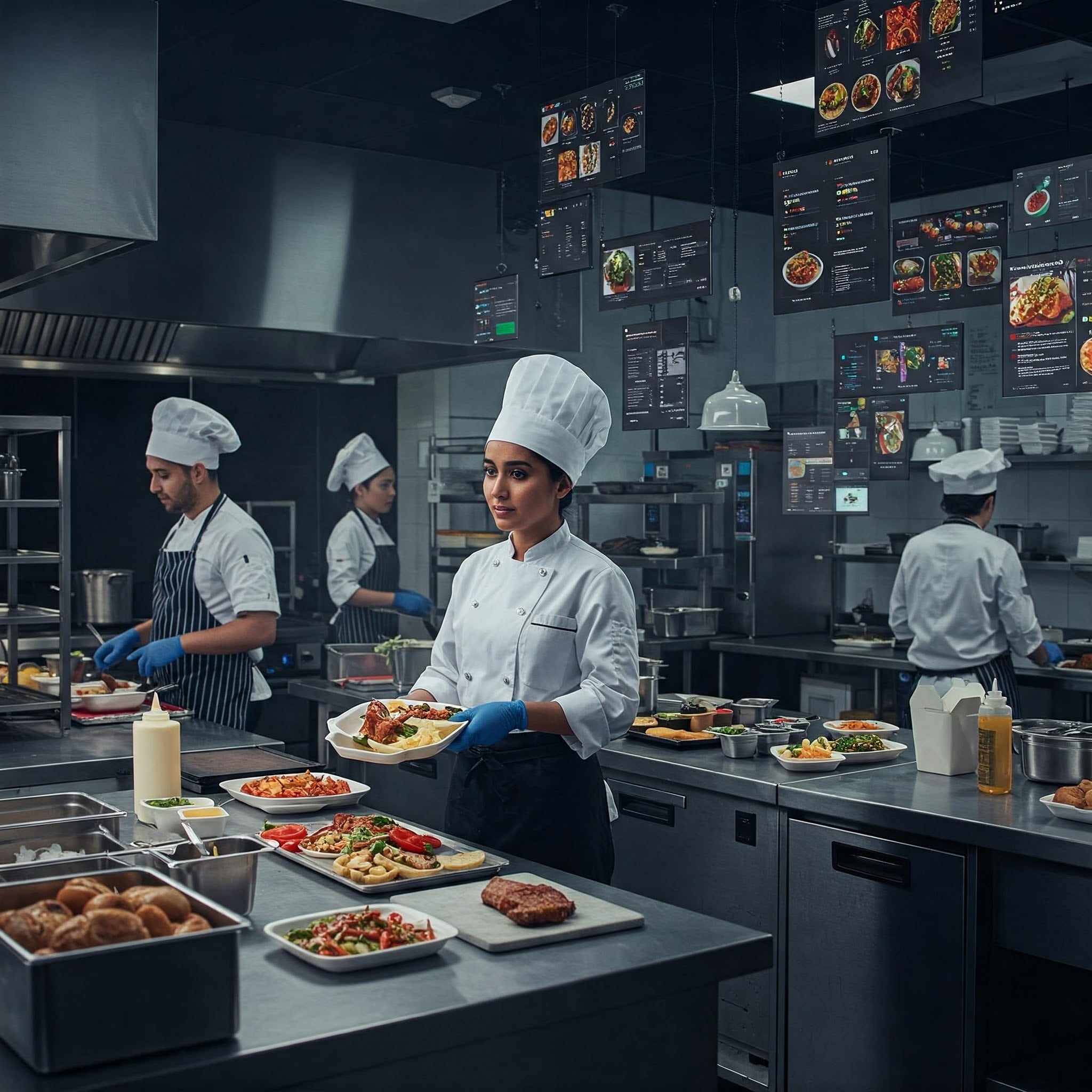
- Virtual Food Halls: Shared kitchen spaces will host multiple virtual brands, allowing entrepreneurs to test concepts with minimal risk and gather data on what works before investing in a physical space.
- Brand Storytelling: Even without a dine-in space, successful cloud kitchens will invest heavily in branding through their packaging, online ordering for restaurants interface, and social media presence.
4. Sustainability & Conscious Consumption
The Indian consumer is becoming increasingly conscious of the environmental and health impact of their food choices.
- Local Sourcing: Highlighting locally-sourced, seasonal ingredients will be a major selling point, reducing carbon footprint and supporting local farmers.
- Zero-Waste Kitchens: Kitchens will focus on root-to-stem cooking, creative use of leftovers, and sustainable packaging for delivery, turning operational efficiency into a brand value.
The Role of Digital Strategy in the Renaissance
In this new era, a powerful restaurant marketing strategy 2025 is not optional. It's the engine for discovery and growth.
1. Mastering Social Media & Content
Social media for restaurants will be less about polished photos and more about authentic storytelling. Short-form video content (Reels, Shorts) showcasing the cooking process, farmer visits, and the team's personality will drive engagement. Festival marketing for food brands will involve creating limited-time offerings (LTOs) tied to regional festivals and promoting them heavily online.
2. Hyper-Local SEO & Discovery
As people search for "unique food near me" or "authentic [regional] cuisine," optimizing your restaurant website in India and Google Business Profile for local SEO for restaurants will be critical. This ensures you are discovered by the right audience at the moment they're hungry and searching.
3. Building Direct Customer Relationships
Relying solely on third-party delivery apps means losing valuable customer data. The smartest businesses will use their own online ordering system and WhatsApp ordering system to build a direct line to their customers, enabling personalized offers and driving repeat business.
A Case Study: A Traditional Recipe with a Modern Twist
A small restaurant in Chennai specializing in forgotten Kongunadu recipes was struggling to attract a younger crowd. They embarked on a digital-first transformation. First, they invested in a beautiful, mobile-friendly mini website for cafes that told the story of their food's heritage. They implemented a QR code food menu that linked to short videos of the chef's grandmother explaining the traditional cooking methods.
They launched targeted social media for restaurants campaigns on Instagram, using Reels to showcase the vibrant colors and textures of their dishes. They also set up a simple WhatsApp ordering system for takeaway. Within six months, their customer demographic shifted dramatically to include curious foodies aged 20-35. Their average order value increased by 18% as customers were more willing to explore the unique, high-value dishes they understood and appreciated. They became a case study in using digital solutions for food business to preserve and profit from culinary heritage.
Actionable Checklist for the 2025 Renaissance
- Audit Your Menu: Identify opportunities to introduce hyper-regional or heritage dishes.
- Embrace Contactless Tech: Implement a dynamic QR code menu and explore table ordering solutions.
- Build a Direct Ordering Channel: Prioritize your own website ordering and WhatsApp ordering to own customer relationships.
- Tell Your Story: Use your website and social media to showcase your ingredients, chefs, and inspiration.
- Optimize for Local Search: Ensure your Google Business Profile and website are fully optimized for local SEO.
- Leverage Data: Use your POS software analytics to understand sales trends and customer preferences.
- Explore Sustainable Practices: Source locally where possible and reduce packaging waste.
- Engage with Festivals: Create special festival marketing menus to tap into cultural moments.
Conclusion: A Feast of Opportunity
India's culinary renaissance in 2025 is a feast of opportunity for the agile and the innovative. It's a call to move beyond the generic and embrace the unique. The winners will be those who respect the past but are not bound by it—those who use the powerful restaurant automation tools and marketing platforms available to tell their unique story, deliver flawless experiences, and build a brand that resonates with the modern Indian consumer. The future of Indian food is bright, flavorful, and digital.
The future of Indian dining is on your plate. How will you serve it?
h

Comments (0)