

Manage Multi-Location Restaurants Easily
Scaling from a single successful restaurant to a multi-location operation is a significant achievement, but it introduces a new layer of complexity that can quickly become overwhelming. Managing inventory, staff, consistency, and branding across different locations requires more than just hustle—it requires a centralized, technology-driven approach. Without the right systems, growth can lead to diluted quality, operational chaos, and eroding profits.
The key to successful multi-location management lies in restaurant automation tools and unified platforms that provide a single source of truth for your entire business. From a centralized dashboard, owners and managers can oversee every outlet, ensure brand consistency, optimize purchasing power, and make data-driven decisions that drive growth across the entire portfolio. This approach transforms multi-location management from a constant challenge into a scalable competitive advantage.
The Centralized Command Center: Your Multi-Location Hub
Effective multi-location management starts with replacing scattered spreadsheets and siloed systems with a unified platform that connects every aspect of your operations.
1. Enterprise-Grade POS with Centralized Reporting
A robust POS software for restaurants designed for multi-location businesses is non-negotiable. It should offer:
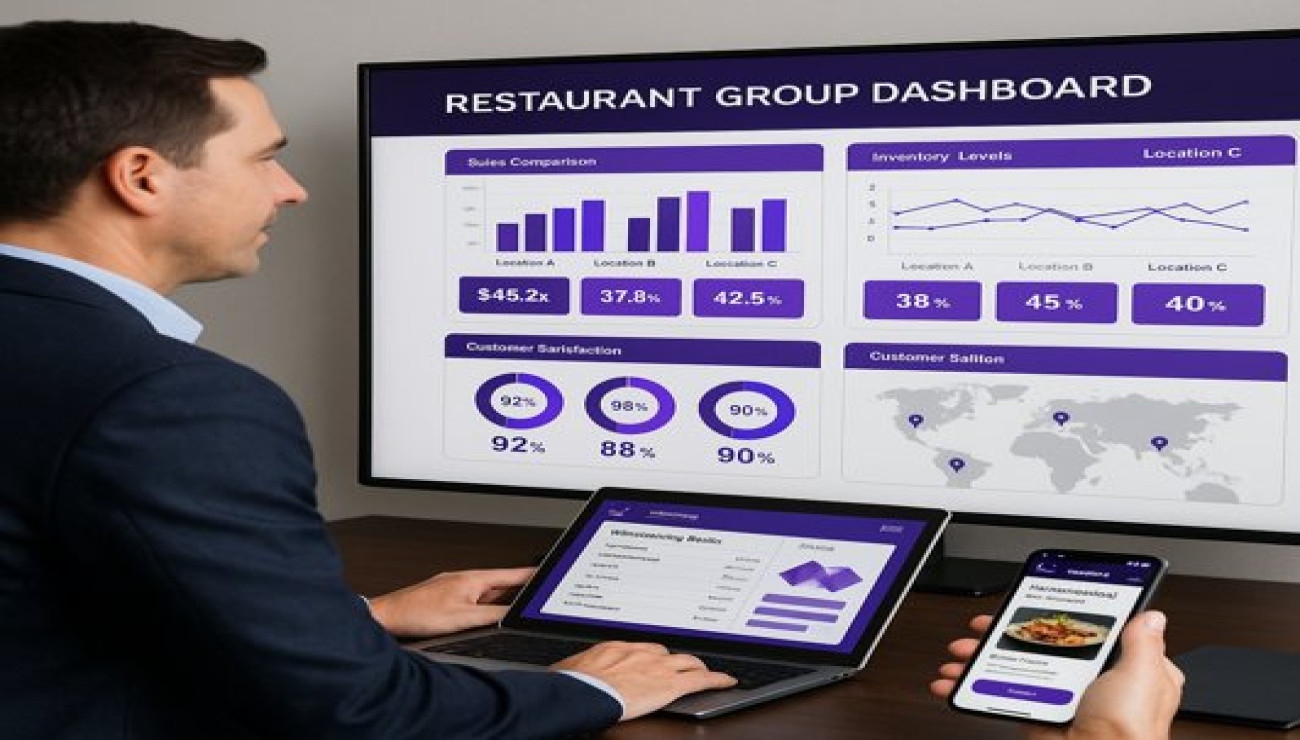
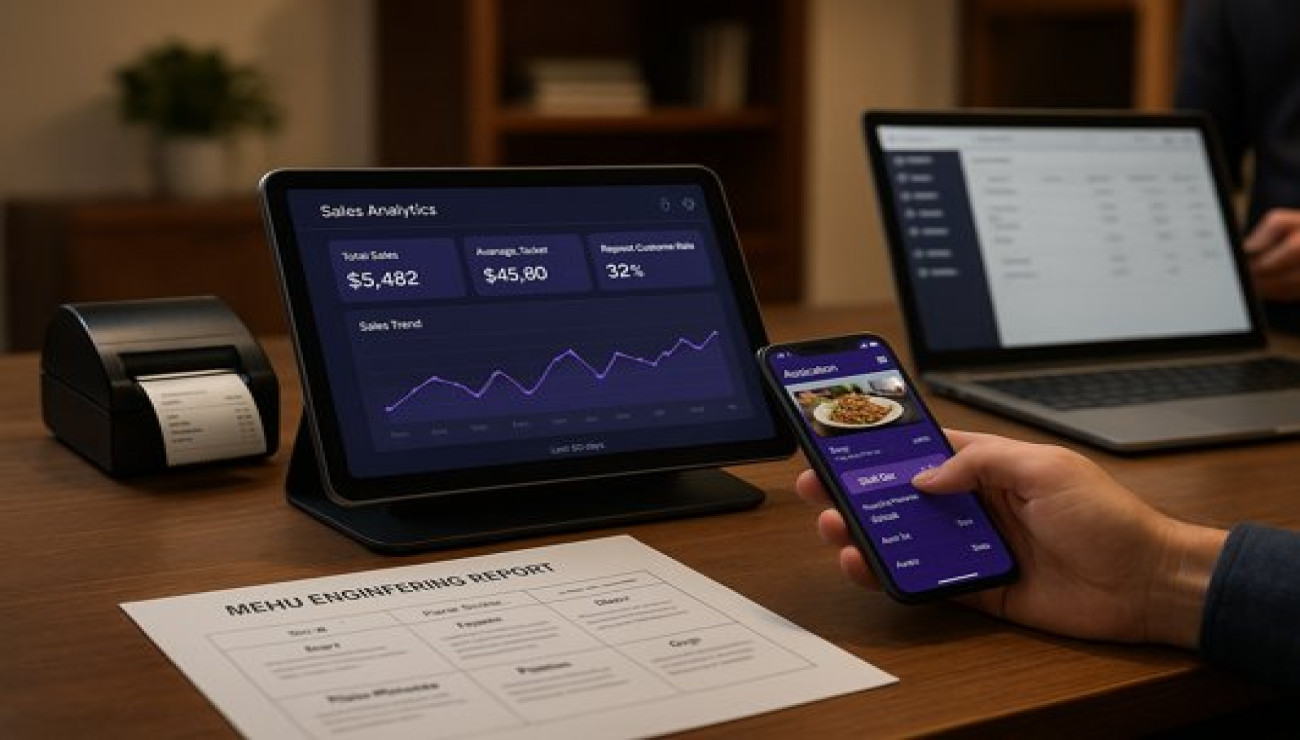
- Unified Dashboard: View real-time sales data, average ticket value, and top-selling items across all locations from a single screen.
- Comparative Analytics: Easily compare performance between locations to identify top performers and those needing support.
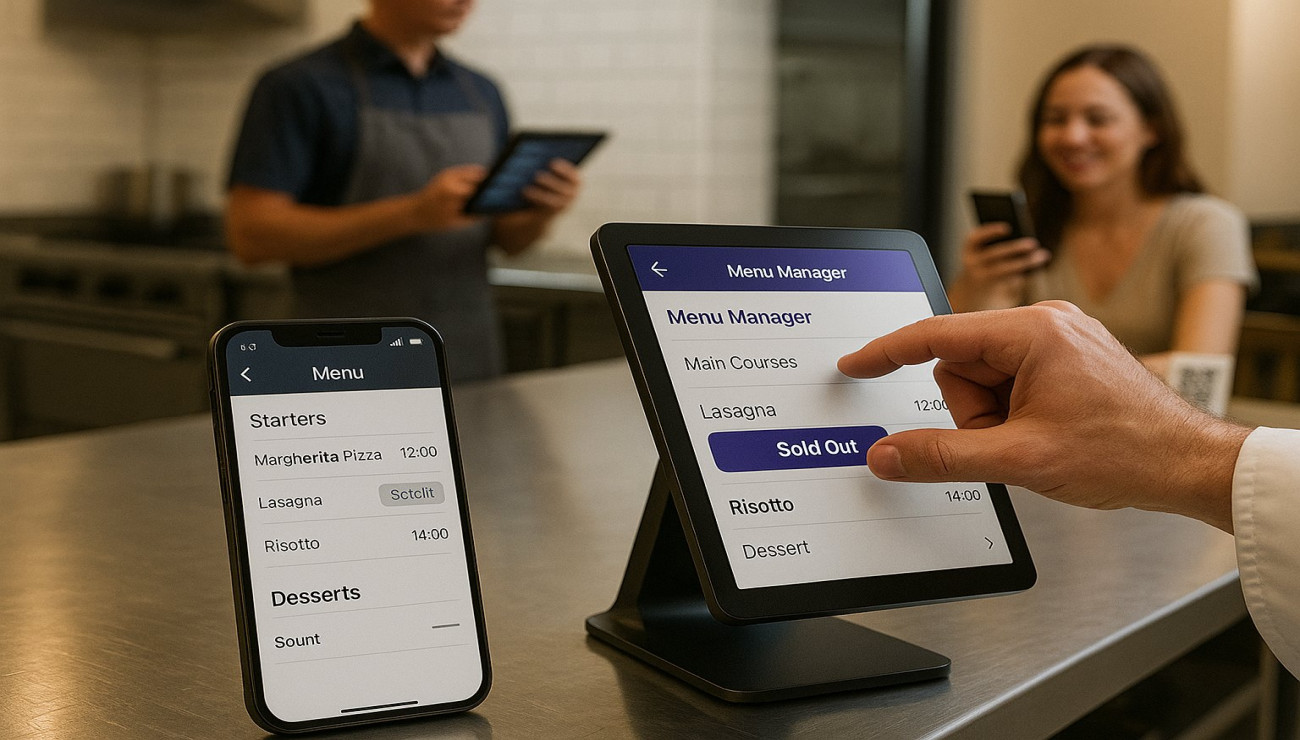
- Centralized Menu Management: Update menus and prices across all locations instantly, while allowing for limited location-specific specials.
- Standardized Reporting: Generate consolidated financial reports for the entire business, saving countless hours during accounting periods.
2. Integrated Inventory and Procurement System
Managing inventory across multiple locations is where many growing restaurants struggle. An integrated system provides:
- Centralized Purchasing: Leverage bulk ordering power across all locations to negotiate better prices with suppliers.
- Real-Time Inventory Visibility: See stock levels for every ingredient at every location, enabling intelligent transfers between outlets to prevent waste and stockouts.
- Automated Replenishment: Set par levels to generate purchase orders automatically based on historical usage and predictive analytics.
- Waste Tracking: Identify inconsistencies in food cost between locations and address them promptly.
3. Unified Customer Relationship Management (CRM)
Your customers should enjoy a consistent experience no matter which location they visit.
- Single Customer Database: A customer's preferences and order history should be accessible at any location, enabling personalized service.
- Centralized Loyalty Program: Allow customers to earn and redeem rewards at any outlet, strengthening brand loyalty.
- Integrated Marketing Campaigns: Launch email and SMS campaigns from a central platform, with the ability to segment by location or customer behavior.
Standardizing Operations for Consistency and Efficiency
Consistency is the foundation of a successful multi-location brand. These tools help maintain quality and service standards across all outlets.
1. Digital Operations Manuals and Training Portals
Replace bulky binders with easily accessible digital resources.
- Standardized Recipes: Ensure every location prepares dishes identically with detailed digital recipes accessible on kitchen tablets.
- Training Modules: Onboard new staff efficiently with video tutorials and quizzes that ensure understanding of brand standards.
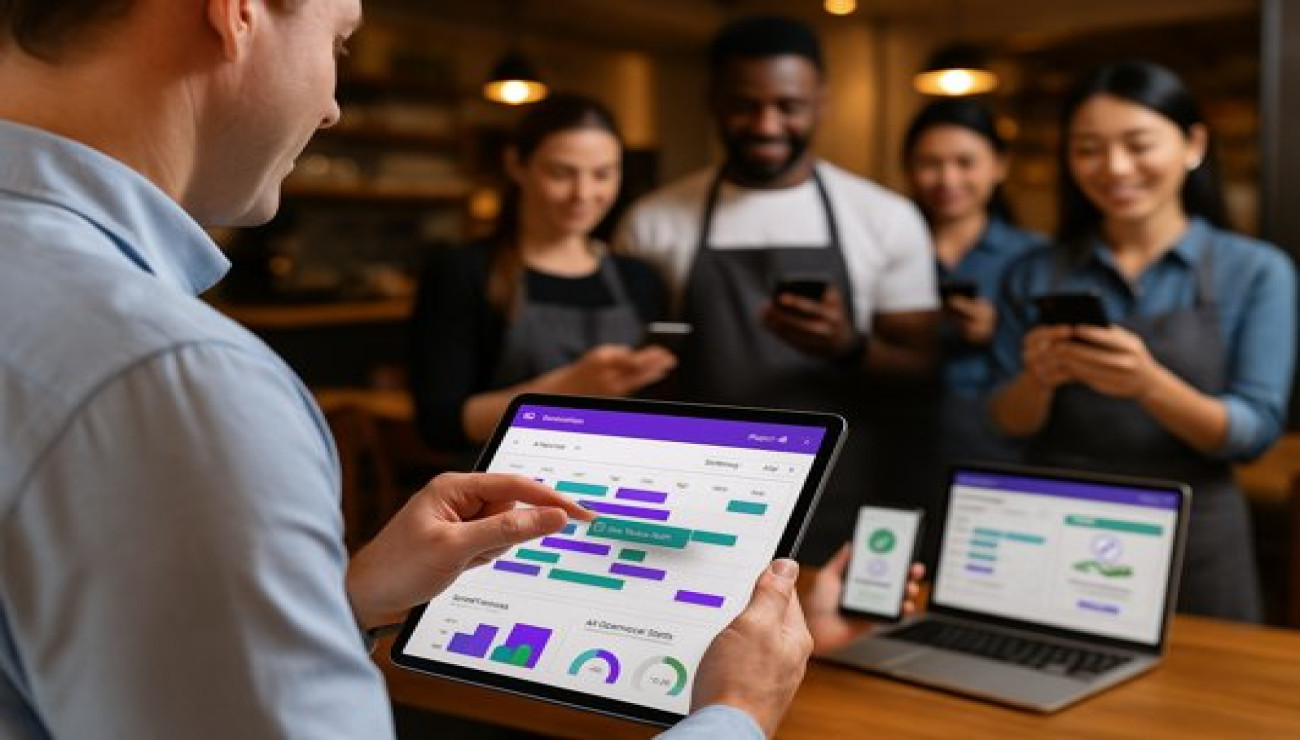
- Operational Checklists: Digital opening, closing, and cleaning checklists that managers must complete and submit electronically.
2. Centralized Communications Platform
Keep all locations connected and aligned.
- Announcements and Updates: Instantly communicate menu changes, promotional campaigns, or policy updates to all locations.
- Performance Sharing: Share best practices from top-performing locations to help others improve.
- Digital Suggestion Box: Empower staff across all locations to share ideas for improvement.
Location-Specific Flexibility Within Brand Framework
While consistency is crucial, successful multi-location operations also recognize local differences.
1. Localized Marketing Initiatives
Empower location managers with tools for local engagement while maintaining brand guidelines.
- Local Social Media Management: Provide templates and guidelines for location-specific social media posts about community events.
- Targeted Promotions: Allow managers to run limited-time location-specific promotions based on local demand patterns.
- Local Partnership Management: Track and manage relationships with local businesses and influencers through a centralized system.
2. Flexible Menu Engineering
Balance consistency with local preferences through smart menu management.
- Core Menu Items: Maintain consistent signature dishes across all locations.
- Local Specials: Allow each location to offer 2-3 specials that cater to local tastes, using approved ingredients from central inventory.
- Seasonal Variations: Create regional menu variations based on seasonal ingredient availability.
A Case Study: From Chaos to Control
A growing chain of three cafes was struggling with inconsistent reporting, varying food costs between locations, and an inability to track customer preferences across outlets. They implemented a centralized restaurant SaaS platform that integrated POS, inventory, and CRM across all locations.
Results achieved within 90 days:
- 15% reduction in food costs through centralized purchasing and waste reduction
- 22% increase in repeat purchase rate due to cross-location loyalty recognition
- 8 hours weekly saved on administrative tasks and reporting
- Consistent brand experience across all locations, leading to higher customer satisfaction scores
Multi-Location Management Implementation Checklist
- Audit Current Systems: Identify all software and processes used across locations.
- Select Integrated Platform: Choose a POS system designed for multi-location management.
- Centralize Data: Migrate all locations to the new unified system.
- Standardize Processes: Create digital operations manuals for all key procedures.
- Implement Centralized Purchasing: Negotiate vendor contracts at the enterprise level.
- Train Location Managers: Ensure all managers understand how to use the new systems and reports.
- Establish Performance Metrics: Set consistent KPIs (average ticket value, food cost, etc.) for all locations.
- Create Communication Protocols: Implement regular virtual meetings and reporting structures.
Conclusion: Growth Without the Growing Pains
Managing multiple restaurant locations doesn't have to mean multiplying your headaches. With the right technology infrastructure and processes, you can maintain the soul and quality of your original location while achieving scale and efficiency. The future of multi-location restaurant management is centralized, data-driven, and strategically flexible—allowing you to grow your brand without losing what made it special in the first place.
Ready to scale your restaurant empire? The right tools make all the difference.
Comments (0)