

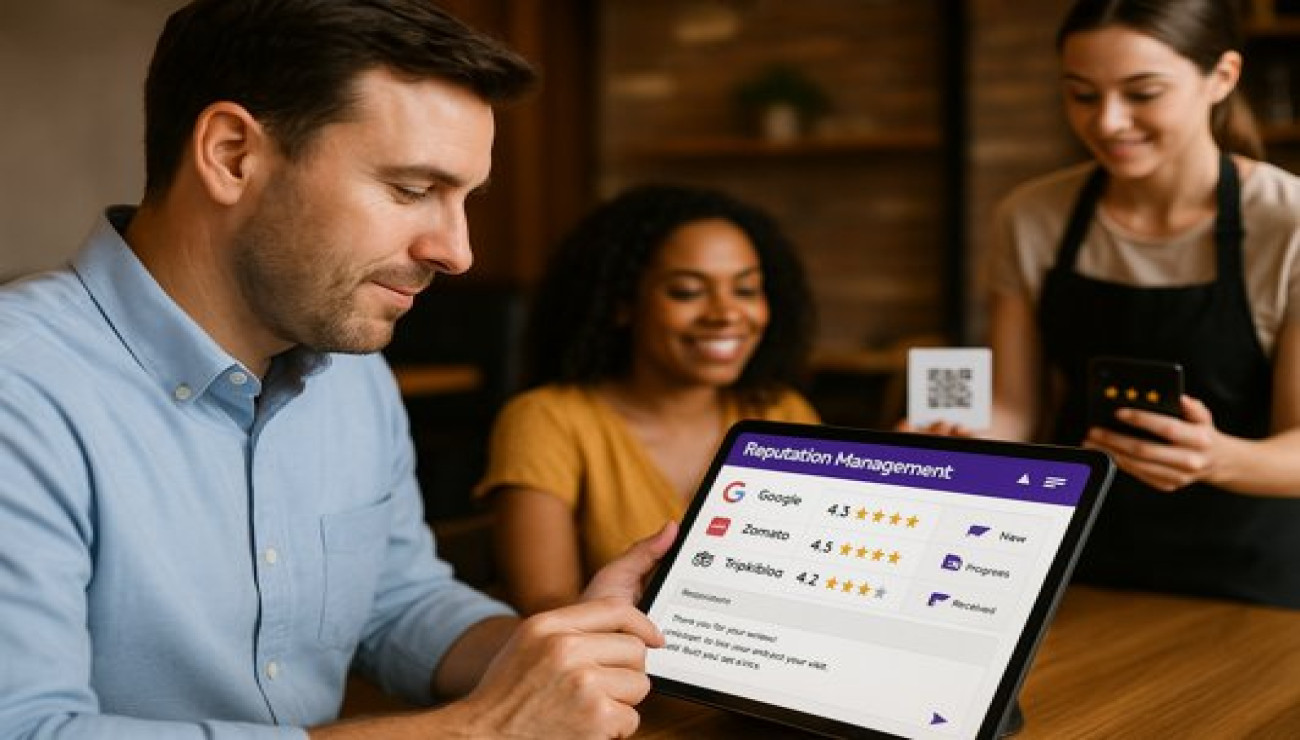
Manage Your Restaurant’s Online Reputation
In today's digital dining landscape, your restaurant's online reputation is as crucial as the food you serve. Before customers ever taste your dishes, they've likely formed an opinion based on your Google reviews, social media presence, and ratings on delivery platforms. Managing your restaurant's online reputation is not just about damage control—it's an active, strategic process that directly impacts revenue, customer trust, and search visibility. A single negative review can deter dozens of potential customers, while a well-managed reputation becomes your most powerful marketing asset.
Effective reputation management goes beyond simply responding to reviews. It involves monitoring feedback across multiple platforms, leveraging positive reviews for marketing, addressing concerns before they escalate, and using customer insights to improve operations. For restaurants looking to grow restaurant business online, a strong reputation improves local SEO, increases conversion rates, and builds customer loyalty that transcends platforms. In an era where 93% of consumers consult reviews before dining, your digital reputation truly is your modern word-of-mouth.
The Multi-Platform Reputation Management Framework
Your online reputation exists across numerous platforms, each requiring specific attention and strategy.
1. Google Business Profile: Your Digital Front Door
As the most influential local search platform, your Google Business Profile demands primary attention.
- Active Review Management: Respond to all reviews within 24 hours, whether positive or negative. Thank positive reviewers specifically and address concerns professionally in negative reviews.
- Regular Updates: Use the Posts feature to share updates, specials, and events, showing your profile is active and engaged.
- Q&A Monitoring: Regularly check and answer questions in the Q&A section, as these often rank highly in search results.
- Photo Updates: Add new, high-quality photos monthly to showcase food, ambiance, and team members.
2. Delivery Platform Reputation (Zomato, Swiggy, etc.)
Delivery platform ratings significantly impact your visibility and conversion rates on these high-traffic sites.
- Prompt Response Protocol: Designate staff to monitor and respond to delivery platform reviews daily.
- Issue Resolution: Address specific delivery-related complaints (cold food, missing items) publicly and offer to resolve them offline.
- Rating Optimization: Maintain above 4.0 ratings to ensure good placement in search results on these platforms.
- Feedback Integration: Use delivery feedback to identify operational issues in packaging, timing, or order accuracy.
3. Social Media Reputation Management
Social platforms require a different approach to reputation management focused on engagement and community building.
- Active Monitoring: Use social listening tools to track mentions across platforms, even when not tagged directly.
- Visual Engagement: Repost user-generated content and tag customers, turning satisfied diners into brand advocates.
- Direct Message Protocol: Respond to all direct messages promptly, even those expressing complaints or concerns.
- Crisis Response Plan: Have a predefined protocol for addressing negative viral content or social media crises.
Proactive Reputation Building Strategies
The best reputation management is proactive rather than reactive, building a strong foundation that withstands occasional negative feedback.
1. Systematic Review Generation
Don't leave reviews to chance—implement systems to encourage happy customers to share their experiences.
- QR Code to Review Sites: Include a QR code on receipts and tables that directs satisfied customers to your Google review page.
- Post-Dining Follow-up: Send automated follow-up emails or SMS messages after visits asking for feedback.
- Incentivized Feedback: Offer a small discount on future orders for leaving a review (while avoiding "review for reward" policies that violate platform terms).
- Staff Incentives: Train and incentivize staff to gently prompt satisfied customers to leave reviews.
2. Leveraging Positive Reviews for Marketing
Transform positive feedback into powerful marketing assets that build social proof.
- Website Integration: Feature rotating reviews prominently on your restaurant website.
- Social Media Showcases: Regularly share positive reviews on social media, tagging customers when appropriate.
- Menu Integration: Add "Customer Favorite" badges to menu items frequently mentioned in positive reviews.
- Digital Advertising: Incorporate review snippets and star ratings into your digital advertising campaigns.
3. Operational Integration of Feedback
Use reputation management as a continuous improvement tool by integrating feedback into operations.
- Weekly Review Analysis: Identify common themes in feedback across all platforms.
- Staff Training Adjustments: Address service issues mentioned in reviews through targeted staff training.
- Menu Refinement: Adjust recipes or remove items consistently receiving negative feedback.
- Service Recovery: Develop protocols for addressing common complaints before they appear in reviews.
Effective Response Strategies for Negative Feedback
How you handle negative reviews often impacts your reputation more than the reviews themselves.
1. The Art of the Professional Response
Every negative review is an opportunity to demonstrate your commitment to customer satisfaction.
- Respond Quickly: Aim to respond within hours, not days, showing you take feedback seriously.
- Personalize Responses: Avoid canned responses; reference specific details from the review.
- Take Responsibility: Apologize sincerely without making excuses, even if you believe the customer is mistaken.
- Move Conversations Offline: Provide contact information and invite further discussion privately.
- Highlight Changes Made: When appropriate, mention how feedback has led to operational improvements.
2. Identifying and Addressing Fake Reviews
While most reviews are genuine, some may require special handling.
- Platform Reporting: Use platform tools to report reviews that violate terms of service (fake, malicious, or from non-customers).
- Professional Response: Even to fake reviews, respond professionally as other customers won't know the review is inauthentic.
- Legal Recourse: For seriously defamatory content, consult legal counsel about removal options.
A Case Study: Reputation Turnaround
A restaurant with a 3.2★ Google rating implemented a comprehensive reputation management strategy. They started responding to all reviews within hours, implemented a QR code review generation system, trained staff on service recovery, and began actively soliciting feedback from satisfied customers. They also addressed common complaints from reviews: extended operating hours, improved vegetarian options, and trained staff on specific service issues mentioned.
Results after four months:
- Rating increased from 3.2★ to 4.5★
- 43% increase in profile views on Google
- 28% increase in website clicks from Google Business Profile
- 17% increase in conversion rate from online inquiries to reservations
- Significant improvement in staff morale and customer satisfaction scores
Online Reputation Management Checklist
- Claim All Profiles: Ensure you have claimed and optimized listings on all relevant review platforms.
- Set Up Monitoring: Use tools to get alerts for new reviews across all platforms.
- Establish Response Protocol: Create guidelines for who responds to reviews and how quickly.
- Implement Review Generation: Add QR codes and follow-up systems to encourage happy customers to review.
- Train Your Team: Ensure staff understands the importance of reviews and how to generate positive ones.
- Analyze Feedback: Regularly review feedback for operational improvement opportunities.
- Leverage Positive Reviews: Share positive feedback on your website and social media.
- Measure Impact: Track rating changes, review volume, and business impact over time.
Conclusion: Your Reputation is Your Responsibility
In the digital age, your restaurant's online reputation is too valuable to leave to chance. It requires consistent attention, strategic management, and integration into your overall operations and marketing. By actively monitoring, responding, and learning from customer feedback across all platforms, you not only protect your reputation but transform it into a powerful growth engine. The restaurants that thrive will be those that recognize every review—positive or negative—as an opportunity to learn, improve, and demonstrate their commitment to exceptional customer experiences.
Start managing your reputation today—it's your most valuable digital asset.





Comments (0)