

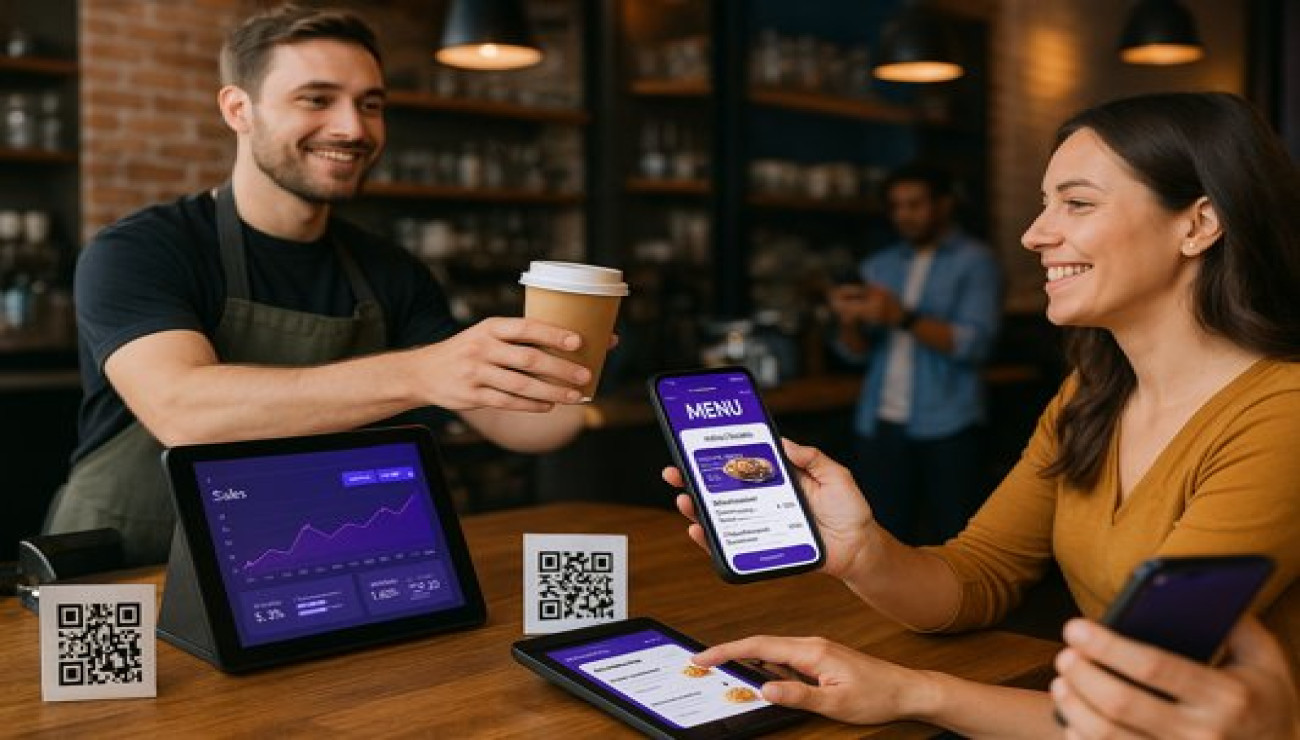
How a Cafe Increased Orders by 25%
In the competitive cafe landscape, achieving significant growth often requires more than just great coffee. For one particular urban cafe, stagnant sales and high customer acquisition costs were the norm—until they implemented a strategic digital transformation. By focusing on digital solutions for food business, they unlocked a 25% increase in orders within just three months. This wasn't the result of a single magic bullet, but a targeted combination of technology, data, and customer experience upgrades that worked in concert to drive remarkable growth.
This case study breaks down the exact steps this cafe took, providing a actionable blueprint for other cafe owners, cloud kitchens, and small eateries looking to replicate this success. The strategy centered on leveraging a smart POS for small eateries, optimizing their online presence, and using customer data to make intelligent decisions that enhanced both efficiency and sales.
The Challenge: Stagnant Sales and Invisible Online Presence
The cafe, let's call it "Bean There," had a loyal local customer base but struggled to attract new patrons and increase average order value. Their primary challenges included:
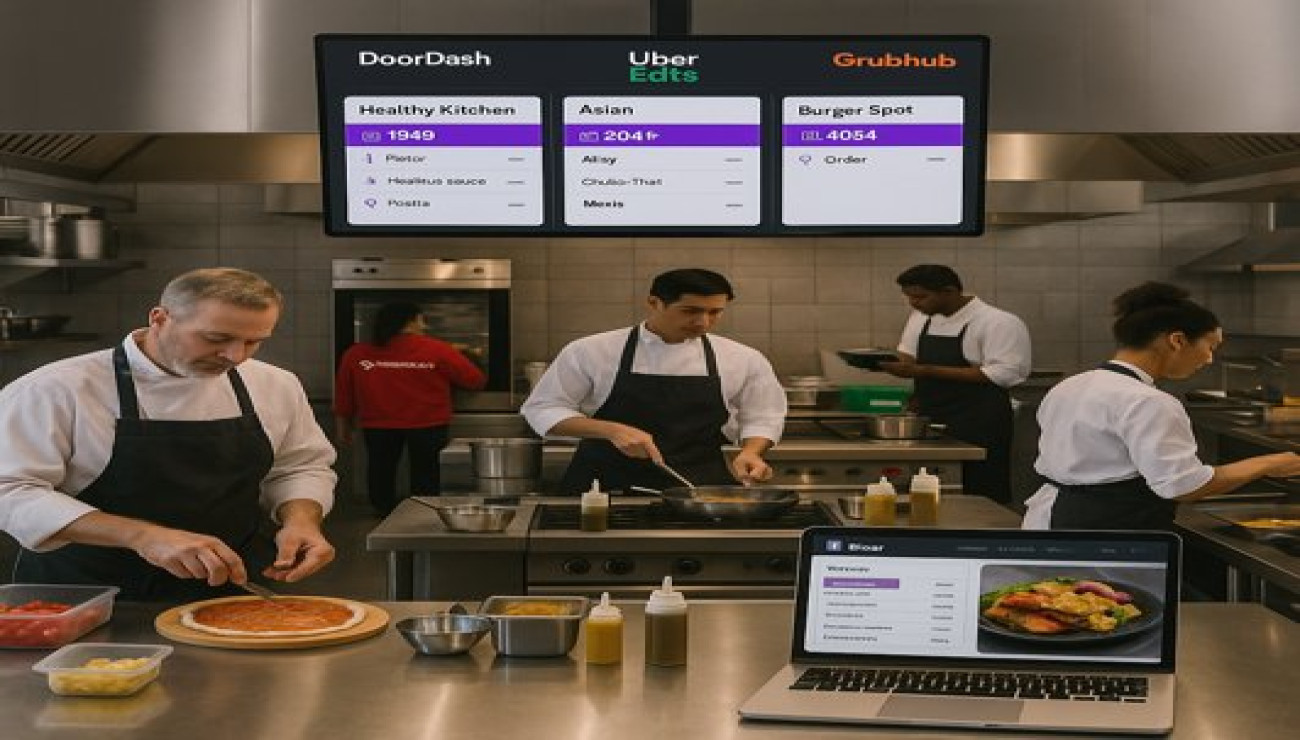
- No online ordering for restaurants system – reliance on third-party aggregators with high commission fees.
- A static, printed menu with no ability to promote high-margin items or daily specials effectively.
- Low visibility in local searches – poor local SEO for restaurants.
- No data collection – they knew little about customer preferences or order patterns.
- Inefficient operations – long wait times during peak hours hurt table turnaround time.
The Strategy: A Four-Pillar Digital Overhaul
Bean There's owner decided to tackle these issues with a focused digital strategy built on four key pillars.
1. Implementing a Smart POS and Direct Online Ordering
The first and most critical step was upgrading their technology stack. They implemented a modern POS software for restaurants that offered:
- Integrated online ordering for restaurants through their own website, bypassing aggregator commissions.
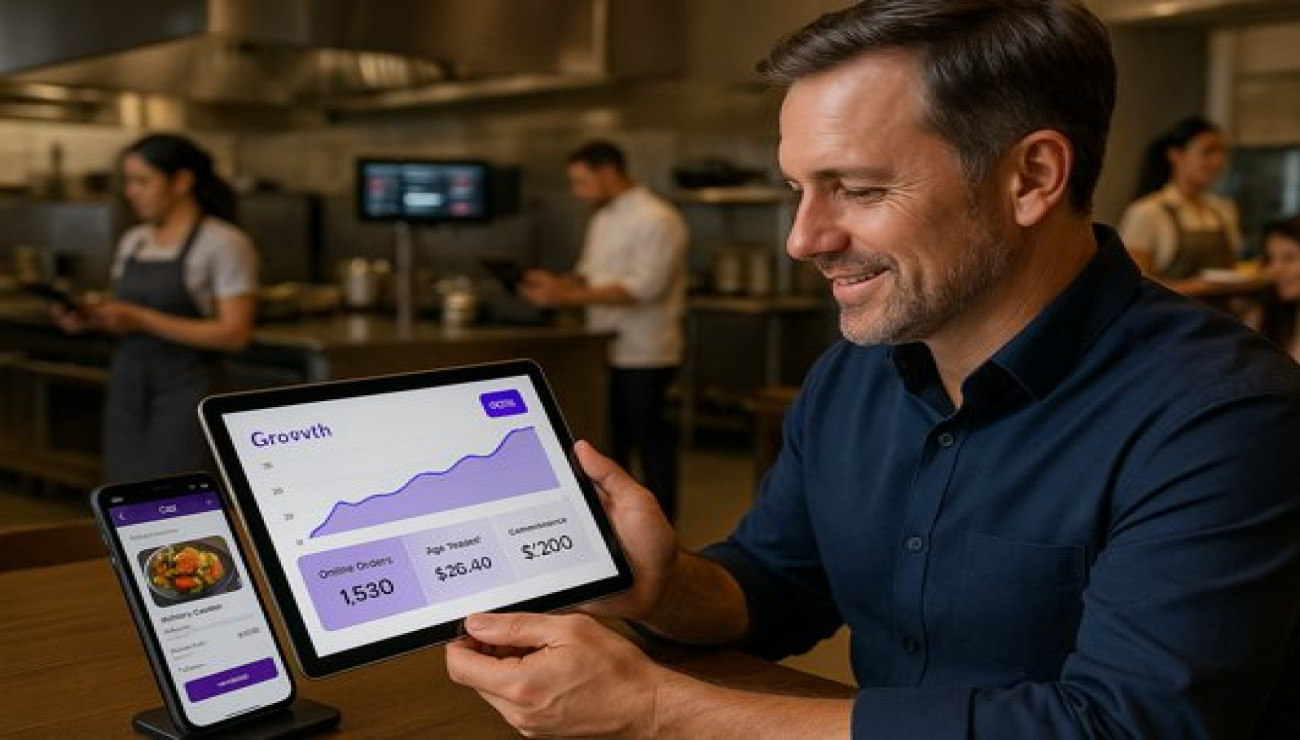
- Detailed sales analytics to track average ticket value and popular items.
- Customer relationship management (CRM) features to track repeat customers.
- Inventory management to reduce waste and optimize stock levels.
They promoted this direct ordering channel heavily via in-cafe signage and social media, offering a small discount for first-time online orders to drive adoption.
2. Launching a Dynamic QR Code Menu
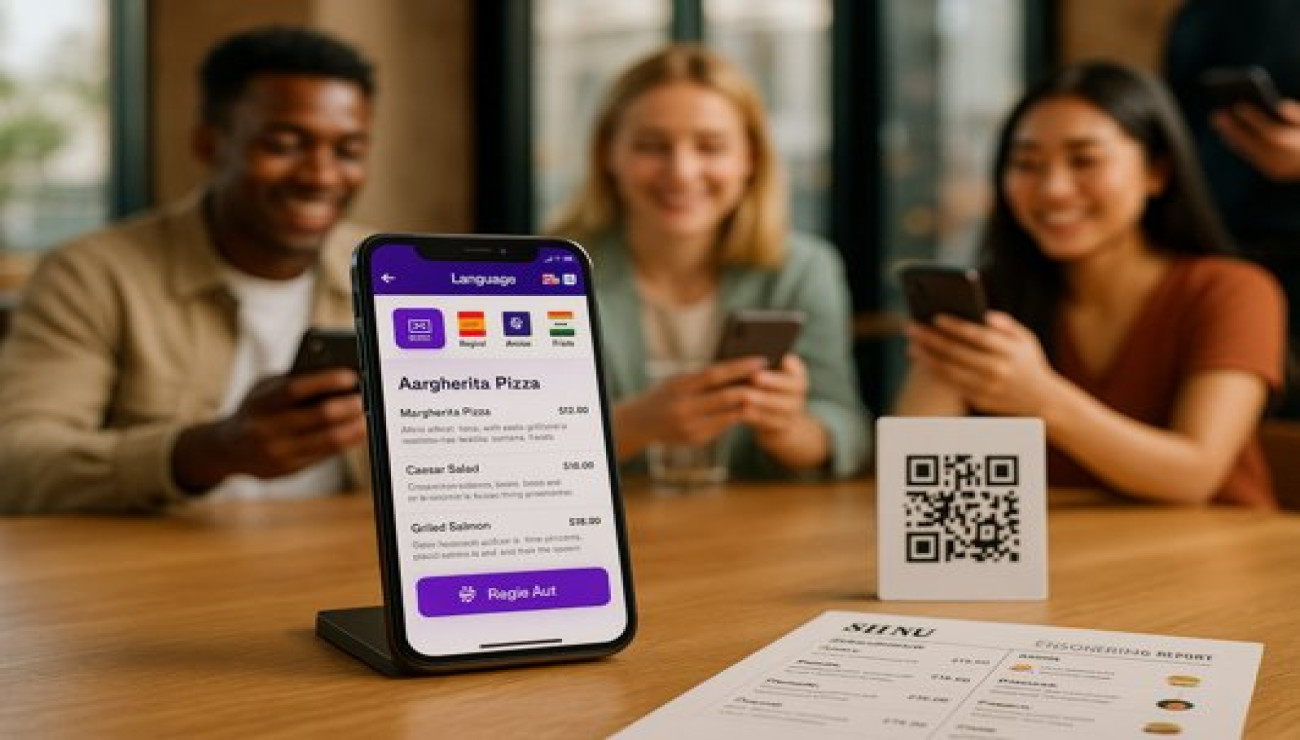
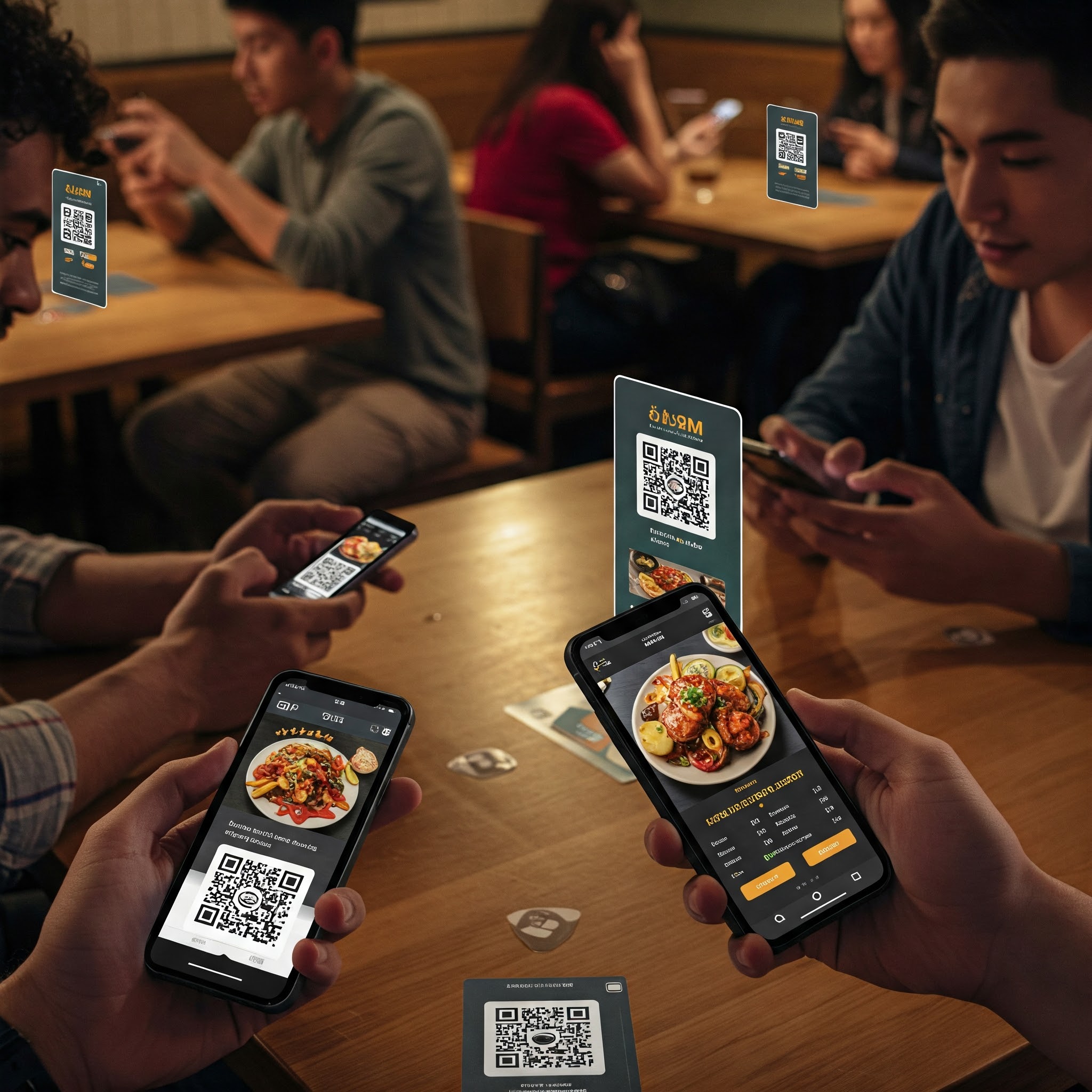
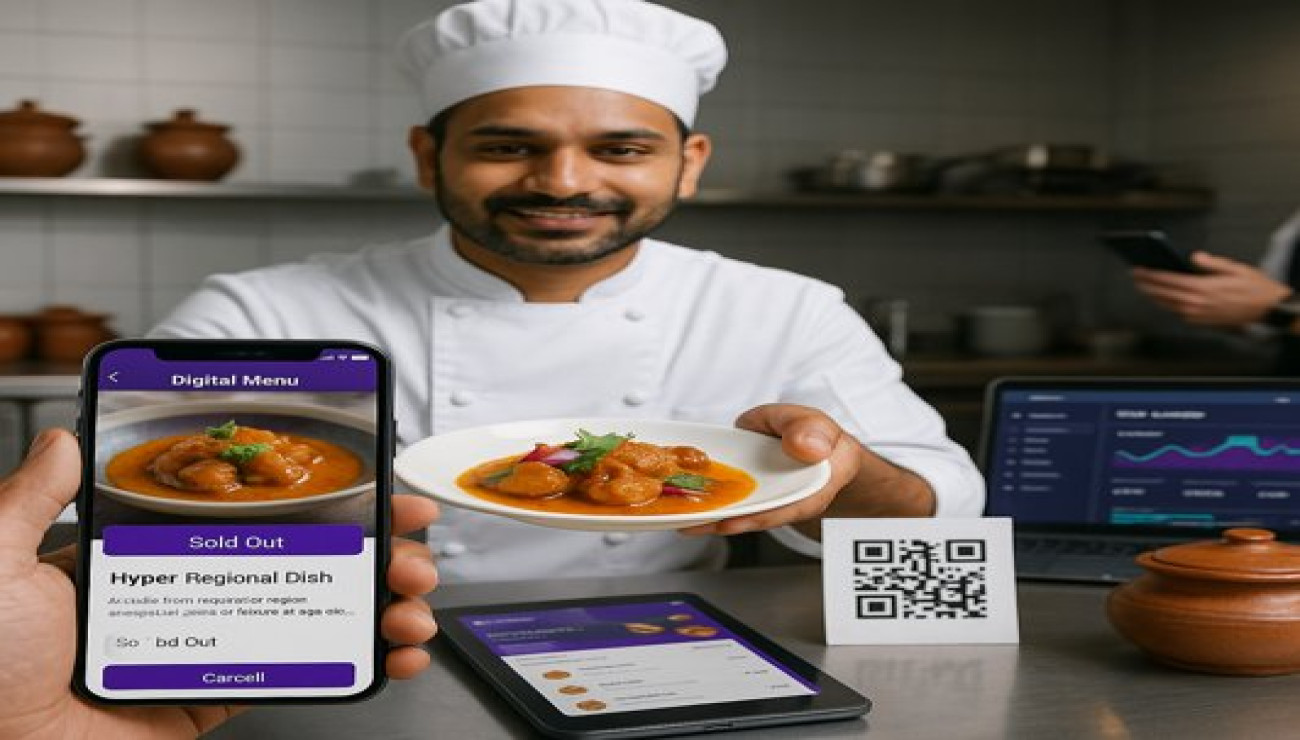
To modernize the dine-in experience and upsell effectively, they replaced all printed menus with a restaurant QR menu. This wasn't just a PDF link; it was a dynamic menu builder that allowed them to:
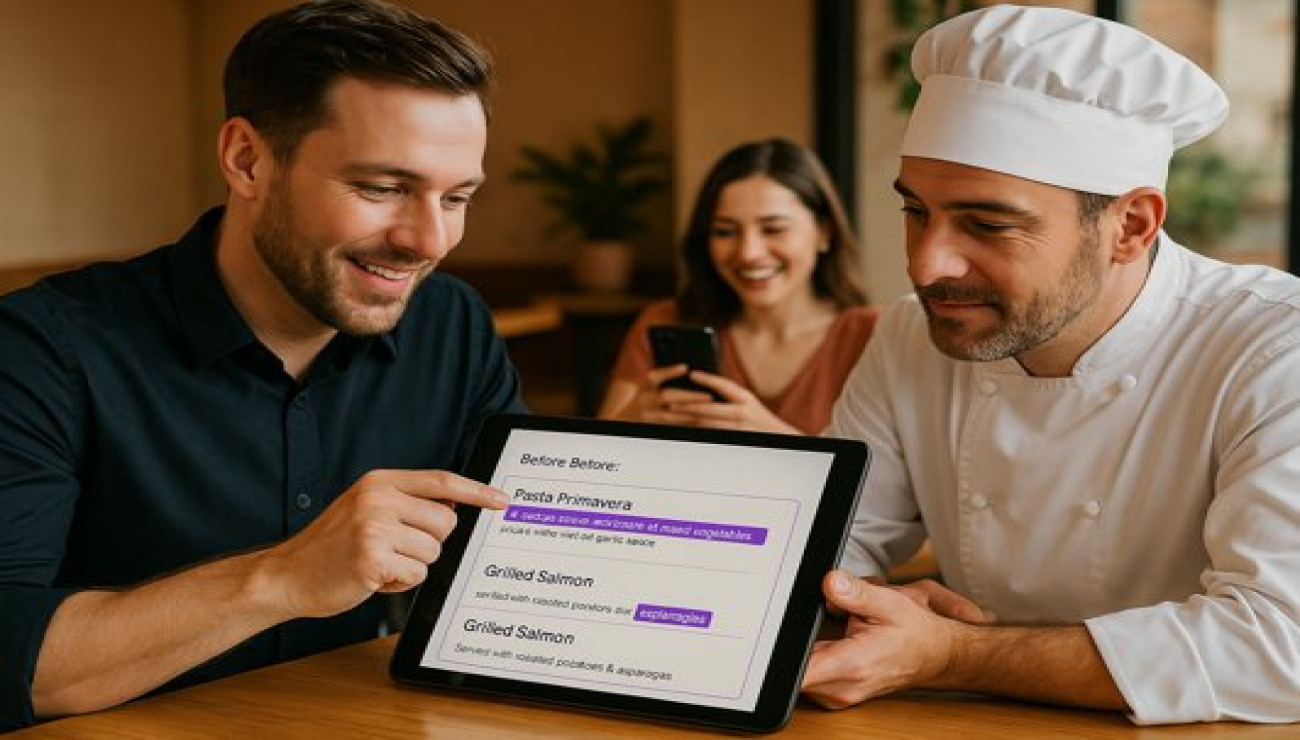
- Change items and prices instantly from a single dashboard.
- Highlight "Cafe Specials" at the top with enticing photos.
- Implement a table ordering solution where customers could order directly from their phones, reducing wait times and freeing up staff.
- Collect data on which menu items were viewed most frequently.
This simple shift to a contactless menu solution significantly improved operational efficiency.
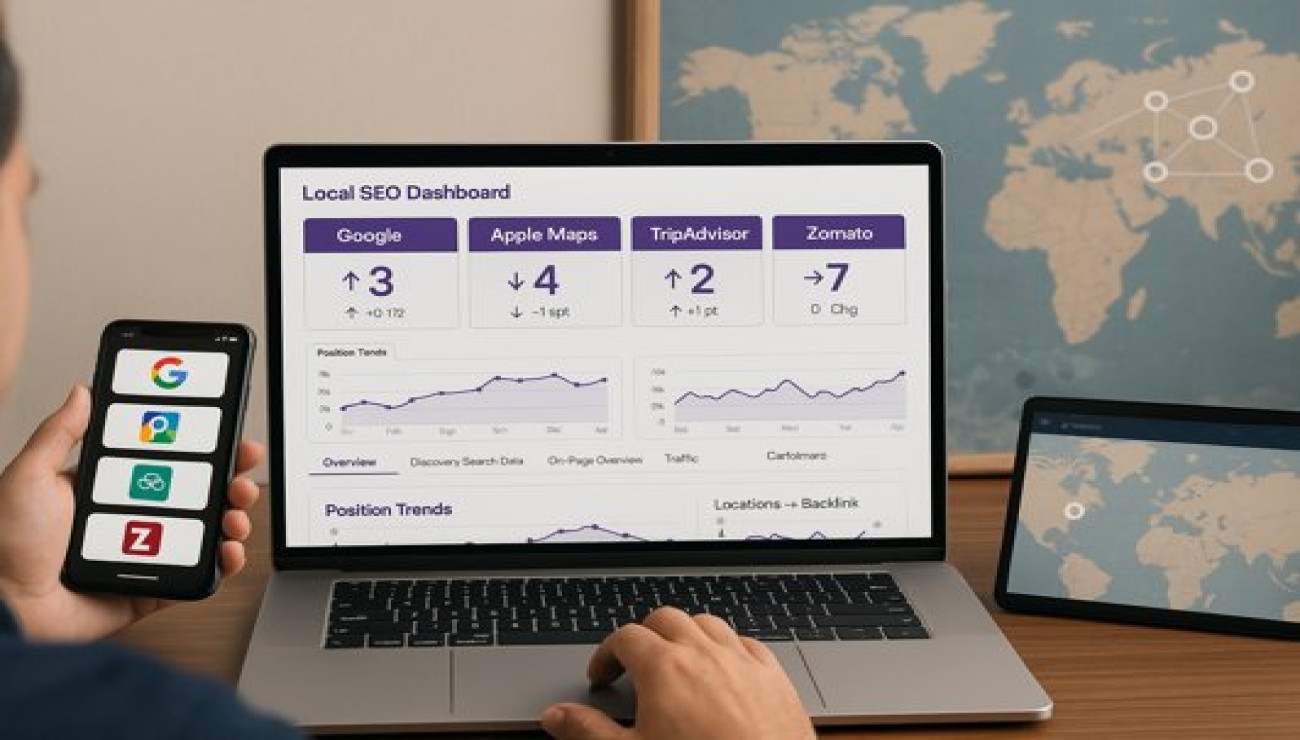
3. Mastering Local SEO and Google My Business
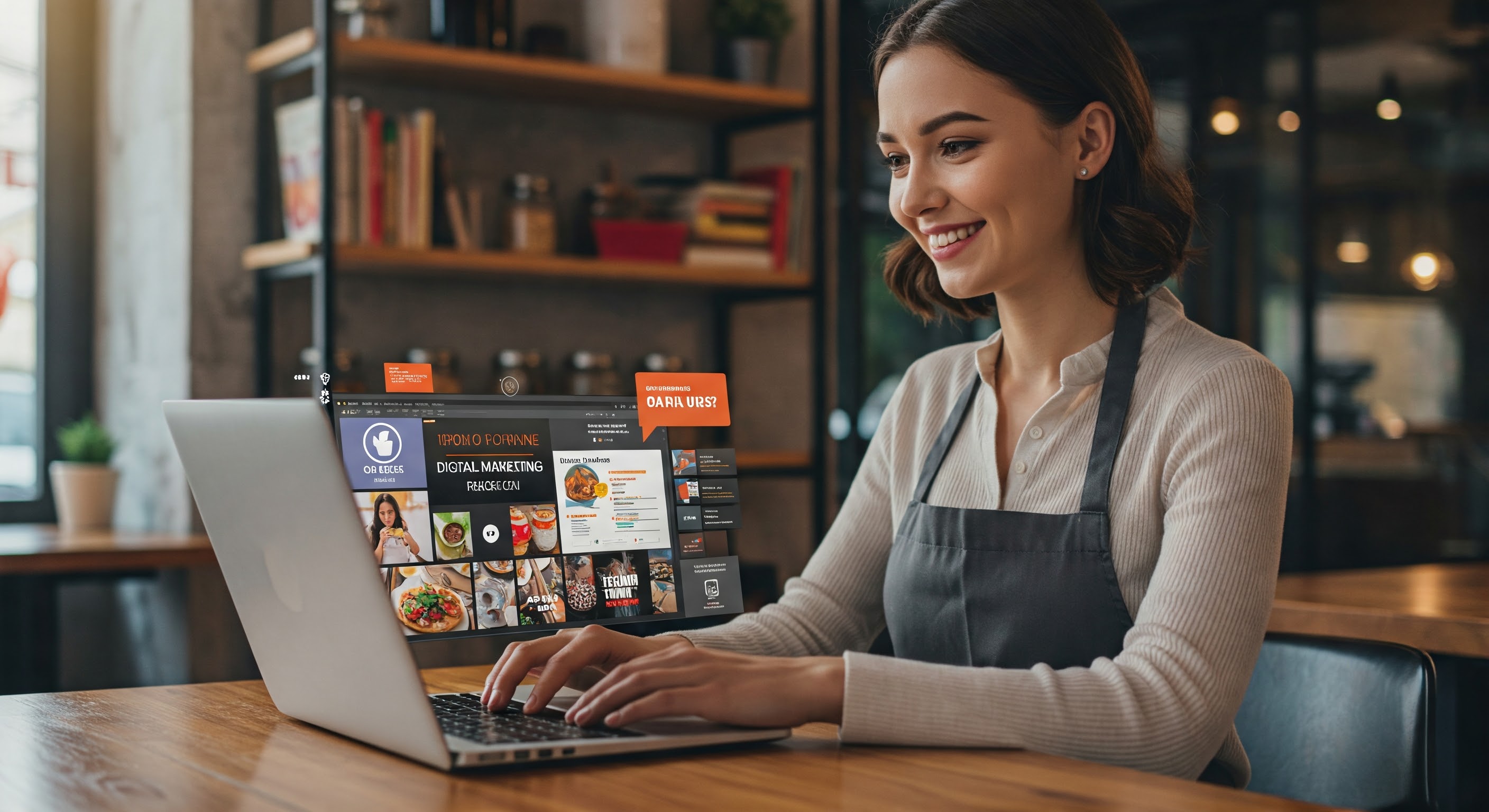
To attract new customers searching for "best coffee near me," Bean There optimized their online presence for discovery.
- They claimed and fully optimized their Google Business Profile, ensuring their hours, menu, and photos were current.
- They actively encouraged happy customers to leave positive reviews, responding to each one promptly.
- They posted weekly updates on their profile—like "New Pastry Alert: Try our Matcha Croissant!"—to stay engaged and visible.
- They ensured their website was mobile-friendly and contained their menu with relevant local keywords.
This effort in local SEO for restaurants made them more visible to potential customers at the exact moment they were deciding where to go.
4. Data-Driven Menu Engineering and Promotions
With their new POS providing data, they moved from guessing to knowing. They analyzed sales reports to identify:
- Stars: High-profit, popular items (e.g., a signature cold brew). They highlighted these on the digital menu.
- Puzzles: High-profit, low-sales items (e.g., a premium avocado toast). They trained staff to recommend these and featured them as "Staff Picks."
- Plow Horses: Low-profit, popular items (e.g., basic black coffee). They created combo deals to pair them with high-margin pastries.
They also used the data to run smart promotions. For example, they offered a discount on a pastry between 2 PM and 4 PM to drive traffic during their slowest hours.
The Results: Measurable Growth Across Key Metrics
Within 90 days of implementing this strategy, Bean There saw dramatic improvements:
- 25% Increase in Total Orders: Driven by a mix of new customer acquisition from improved local SEO and increased frequency from existing customers due to a better experience.
- 18% Increase in Average Order Value (AOV): Achieved through strategic upselling on the digital menu and effective combo deals.
- 15% Improvement in Table Turnover Time: The QR code ordering system reduced wait times and allowed staff to focus on service rather than order-taking.
- 40% of Online Orders Shifted to Direct Channel: This significantly reduced commission fees paid to aggregators, directly increasing net profitability.
- Higher Customer Satisfaction Scores: Reviews frequently mentioned the "easy ordering" and "great new specials."
Actionable Checklist: replicate This Success
- Audit Your Tech: Does your POS system offer integrated online ordering and analytics?
- Ditch Printed Menus: Implement a dynamic QR code menu with a built-in ordering system.
- Own Your Customers: Promote direct ordering through your website and social media.
- Optimize for Local Search: Complete and actively manage your Google Business Profile.
- Engineer Your Menu: Use sales data to promote high-profit items and create combos.
- Train Your Team: Ensure staff understands new tech and knows how to upsell.
- Launch Targeted Promos: Use slow periods to run time-based offers.
- Gather Feedback: Use post-order surveys or reviews to continuously improve.
Conclusion: Growth is a System, Not an Accident
Bean There's 25% increase wasn't luck; it was the direct result of a systematic approach to leveraging technology. By integrating a smart POS, embracing a digital menu, optimizing for local discovery, and using data to make decisions, they created a seamless and efficient experience that customers loved. This case study proves that even small investments in the right restaurant automation tools can yield substantial returns. The blueprint is here—the next step is execution.
Ready to transform your business? The tools for growth are already at your fingertips.
Comments (0)