

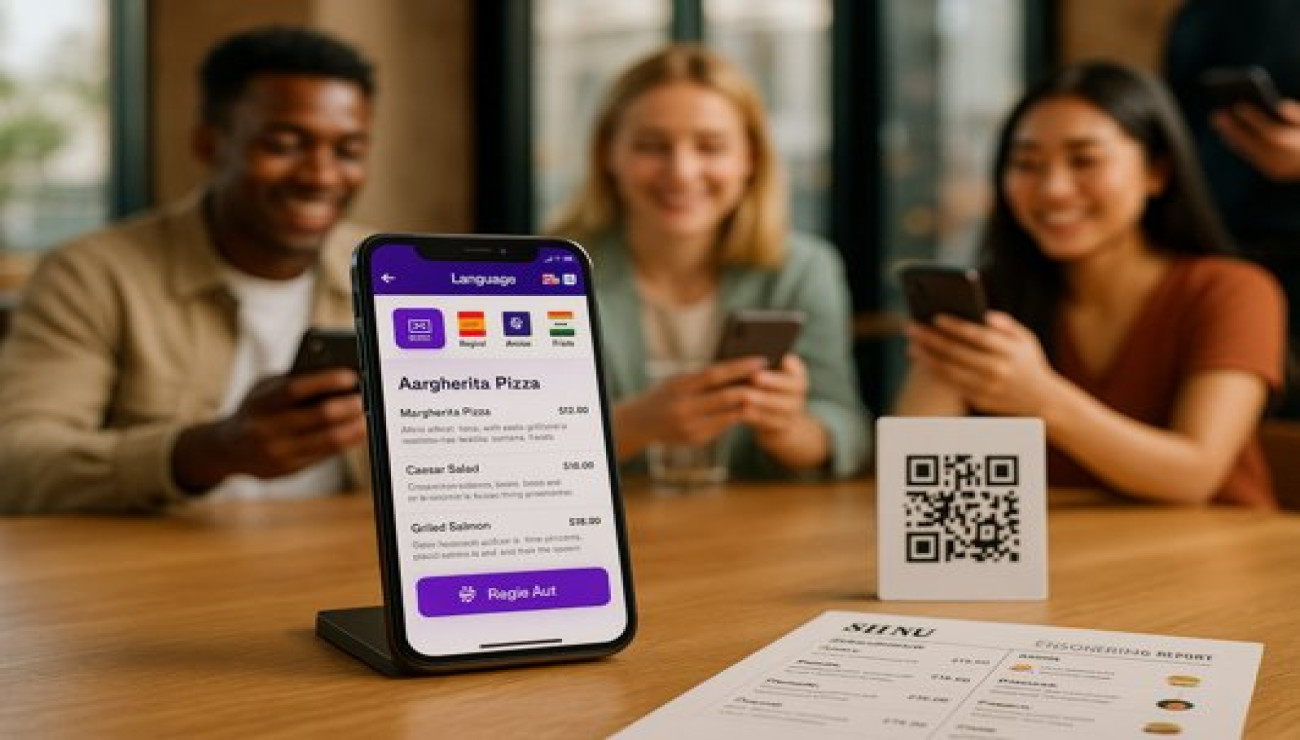
Multi-Language Digital Menus for Restaurants
In today's globalized dining scene, restaurants regularly welcome guests from diverse cultural and linguistic backgrounds. A language barrier at the point of ordering doesn't just create friction—it can directly cost you sales and leave a negative impression. Static, single-language printed menus are no longer sufficient for ambitious restaurants aiming to provide inclusive, five-star service. Multi-language digital menus represent a sophisticated and surprisingly affordable contactless menu solution that breaks down these barriers, enhances the guest experience, and opens up your restaurant to a wider customer base.
This goes far beyond simple translation. It's about creating an accessible, engaging ordering experience for every guest, whether they're international tourists, expatriates, or local residents who are more comfortable in their native tongue. By integrating this capability into your restaurant QR menu system, you transform a potential point of frustration into a seamless and impressive part of your service, directly supporting efforts to grow restaurant business online and offline.
The Business Case for Multi-Language Menus
Implementing multi-language support is a strategic decision with measurable returns. The benefits extend beyond basic convenience into tangible operational and marketing advantages.
1. Enhanced Guest Experience and Reduced Friction
The ability to read a menu in one's preferred language significantly reduces anxiety and uncertainty for non-native speakers. Guests can understand dishes fully, including ingredients and preparation methods, leading to more confident ordering. This autonomy improves their overall experience and perception of your brand as considerate and world-class. It also drastically reduces the need for staff to act as interpreters, freeing them up for other service tasks and improving table turnaround time.
2. Increased Average Order Value and Upselling
When customers clearly understand all menu items, descriptions, and premium ingredients, they are more likely to explore beyond familiar basics. A well-translated menu can effectively showcase signature dishes, chef's recommendations, and high-margin specialties, directly boosting your average ticket value. Clear understanding eliminates the hesitation that often leads to ordering the simplest, cheapest item.
3. Powerful Marketing and Competitive Differentiation
Offering multi-lingual menus is a powerful unique selling proposition (USP). You can actively market to tourist groups, international businesses, and expat communities in your city. Listing this feature on your restaurant website in India, Google Business Profile, and travel platforms like TripAdvisor makes you a magnet for a valuable customer segment that many competitors overlook.
4. Improved Order Accuracy
Miscommunication due to language barriers is a primary cause of order accuracy issues. When a guest orders something they didn't fully understand, it often leads to dissatisfaction, remakes, and waste. A clear digital menu in their language ensures they know exactly what they are ordering, which reduces errors and improves kitchen efficiency.
Implementing Your Multi-Language Digital Menu System
Adding language options to your digital presence is easier than ever with modern restaurant automation tools. The key is to integrate it seamlessly into your existing tech stack.
1. Choosing the Right Platform and Technology
The foundation is a robust digital menu solution that supports multiple languages. This can be a dedicated menu management platform or a feature within your broader restaurant SaaS India offering. Look for:
- Easy Language Toggles: A simple, flag-based or language-name-based button that allows users to switch instantly.
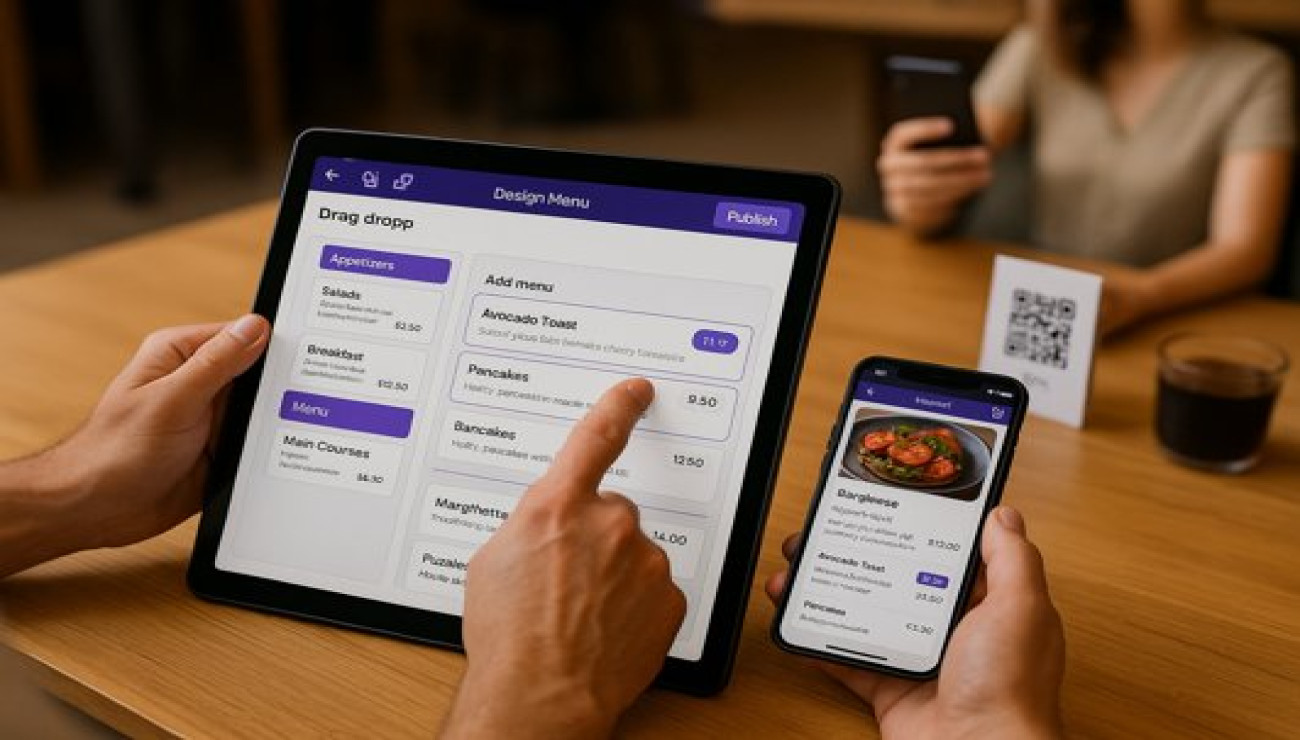
- Centralized Management: A single dashboard where you update your menu once, and it propagates across all languages.
- Professional Translation Services: Some platforms offer integrated translation services to ensure accuracy, especially for culinary terms.
- POS Integration: The system should integrate with your POS software for restaurants so that orders come through correctly regardless of the language used.
2. The QR Code: The Gateway for Guests
Your QR code food menu is the perfect delivery mechanism. A single QR code on the table can open a mobile web page that automatically detects the phone's language setting or immediately presents a language selection menu. This is a flawless contactless menu solution that empowers the guest instantly.
3. Key Languages for the Indian Market
While English and Hindi are standard, consider your location and clientele. For most restaurants in India, prioritizing these languages offers the greatest coverage:
- English
- Hindi
- Spanish (for international tourists)
- French (for international tourists)
- Arabic (for international tourists)
- Chinese (Mandarin)
- A prominent local language (e.g., Tamil, Bengali, Marathi, Telugu)
A Case Study in Inclusivity and Growth
A fine-dining restaurant located in a metropolitan hotel corridor noticed a significant portion of its weekend dinner traffic consisted of international guests. While servers did their best, ordering was slow and sometimes awkward. They implemented a multi-language digital menu accessible via QR code, offering options in English, Spanish, French, and Arabic.
The results were immediate. Table turnaround time for tables with international guests improved by 15% as guests spent less time deciphering the menu and asking questions. The average ticket value for these tables increased by 12% because guests were more confident ordering appetizers, premium wines, and desserts described in their native language. Most importantly, online reviews began specifically praising the restaurant's thoughtful multi-language approach, directly improving their ratings on travel platforms and boosting their reputation for inclusivity.
Multi-Language Menu Implementation Checklist
- Audit Your Customer Base: Identify the top 3-4 languages your guests speak.
- Select a Digital Menu Platform: Choose a solution with robust multi-language support that integrates with your POS.
- Invest in Professional Translation: Avoid automated tools for critical menu items; ensure culinary terms are accurate.
- Design an Intuitive Language Selector: Use flags and clear language names for easy navigation.
- Train Your Staff: Ensure hosts and servers know how to guide guests to the language option.
- Update Your Marketing: Promote this feature on your website, social media, and Google Business Profile.
- Place QR Codes Prominently: Ensure they are on every table and at the host station.
- Monitor and Gather Feedback: Ask guests if they found the feature helpful and be open to adding more languages.
Best Practices for Menu Translation
Accuracy and cultural sensitivity are paramount. A poor translation can be worse than none at all.
- Translate for Meaning, Not Word-for-Word: Culinary concepts don't always translate directly. Work with translators who understand food culture.
- Highlight Dietary Information: Clearly mark vegetarian, vegan, gluten-free, and common allergen information in all languages.
- Keep Descriptions Consistent: The tone and detail of item descriptions should be consistent across all language versions.
- Test Thoroughly: Have native speakers review the menu to catch errors and ensure it sounds natural and appealing.
Conclusion: Speaking Your Customer's Language is Good Business
Adopting a multi-language digital menu system is a clear demonstration of customer-centric thinking. It shows respect for your guests' comfort and eliminates a significant barrier to a perfect dining experience. This strategy not only enhances service for international visitors but also serves local communities better, building stronger loyalty and driving higher revenue. In the competitive restaurant landscape, this level of thoughtful innovation is what creates memorable brands and sustainable success.
Don't let a language barrier be the reason a guest doesn't return. Embrace inclusive technology and welcome every customer in their preferred language.

Comments (0)