

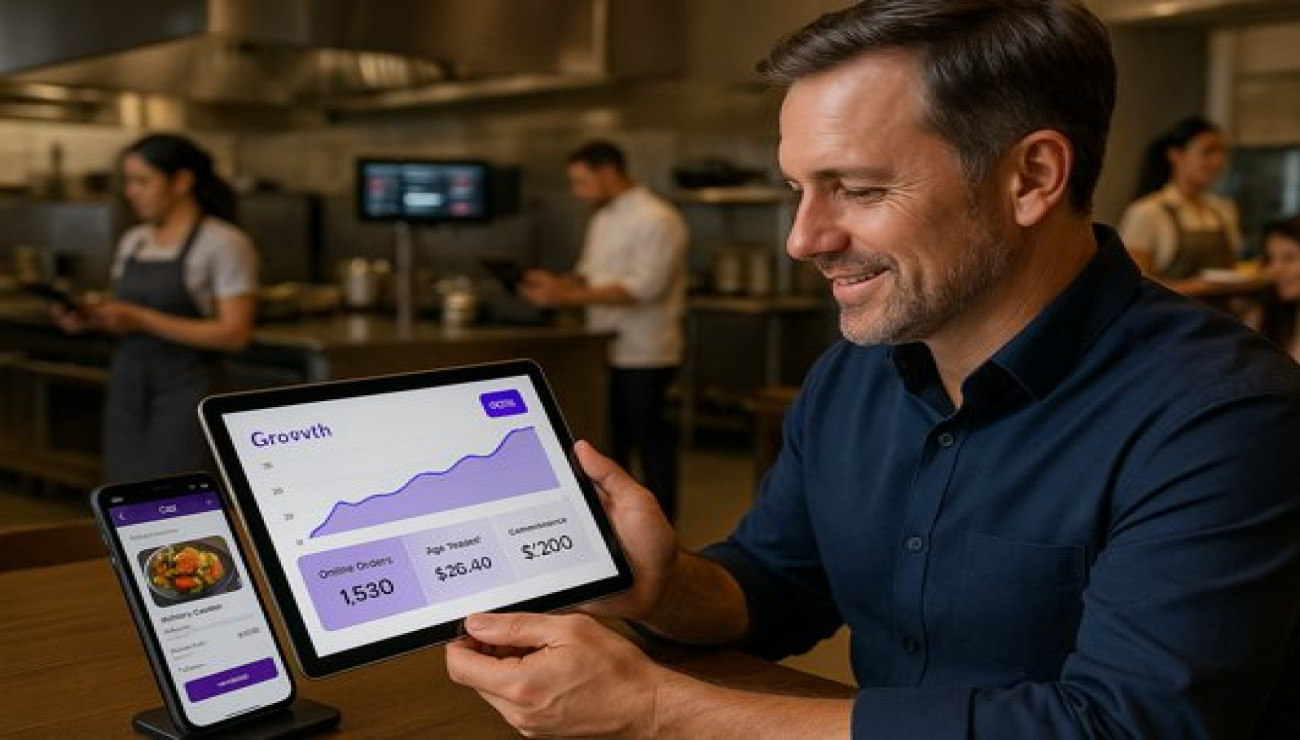
How a Restaurant Grew Revenue by 40%
In an industry where single-digit growth is often celebrated, achieving a 40% revenue increase represents a transformative leap forward. For "Spice Route Kitchen," a mid-sized Indian restaurant facing stagnant sales and rising costs, this remarkable turnaround wasn't the result of a single magic bullet but rather a strategic implementation of integrated digital solutions for food business. Their journey from struggling establishment to thriving enterprise offers a replicable blueprint for restaurants seeking dramatic growth through technology, data, and customer experience transformation.
The restaurant's success stemmed from addressing fundamental weaknesses across their operation: inefficient ordering processes, poor customer data utilization, limited marketing reach, and suboptimal menu engineering. By systematically tackling each area with targeted technology solutions, they not only increased revenue but also improved profitability, customer loyalty, and operational efficiency. Their story demonstrates how restaurants can leverage available tools to grow restaurant business online and offline simultaneously.
The Challenge: Stagnation in a Competitive Market
Before implementing changes, Spice Route Kitchen faced several critical challenges that limited their growth potential:
- Plateaued Sales: Revenue had remained flat for 18 months despite occasional marketing efforts.
- High Third-Party Commission Costs: 75% of delivery orders came through aggregators, costing 20-30% in commissions.
- Inefficient Operations: Manual processes consumed management time and led to errors.
- Limited Customer Data: No system to track customer preferences or encourage repeat business.
- Underperforming Menu Items: Popular dishes had low profit margins while high-margin items went underordered.
The Four-Pillar Transformation Strategy
The restaurant's dramatic growth was achieved through a coordinated strategy addressing technology, marketing, operations, and menu engineering.
1. Technology Overhaul: Implementing Integrated Systems
The foundation of their transformation was a complete technology upgrade that created a seamless operational ecosystem.
- Smart POS Implementation: They installed a modern POS software for restaurants that integrated online ordering, inventory management, and customer data in one platform.
- Direct Online Ordering System: Launched their own online ordering for restaurants platform with a streamlined interface that encouraged direct orders.
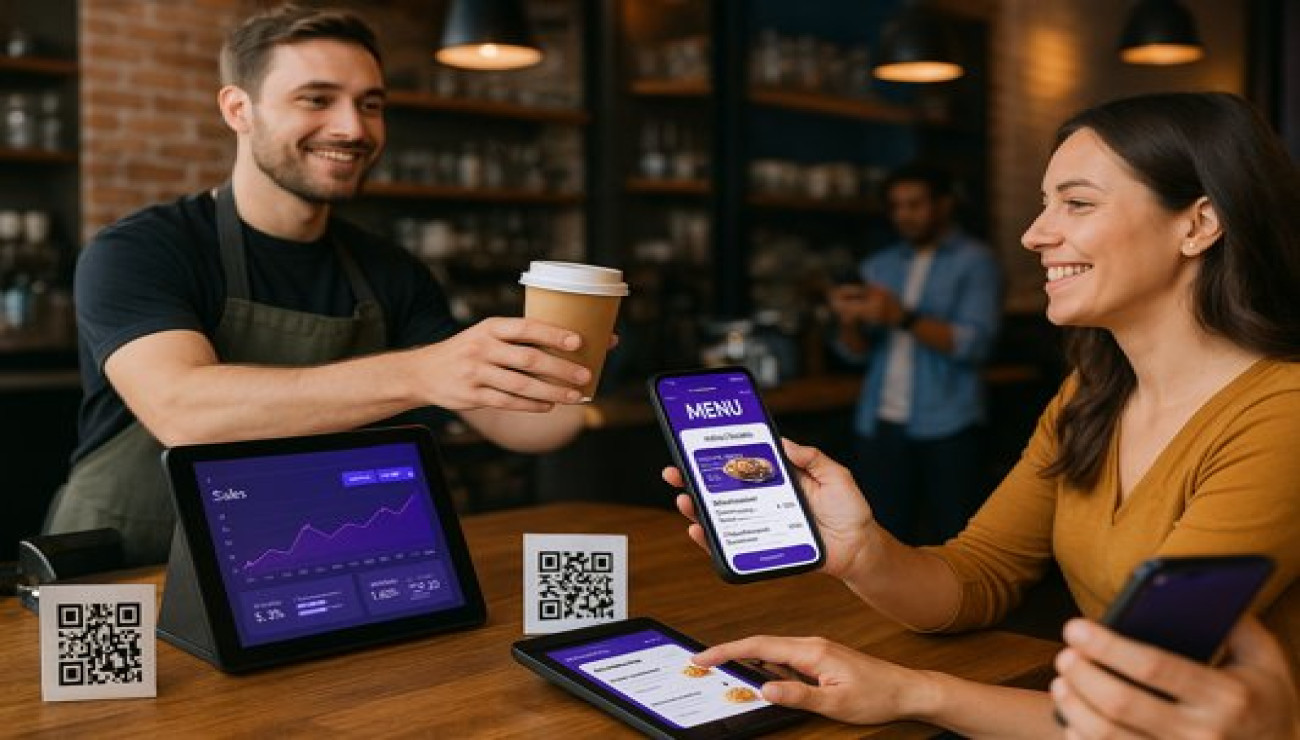
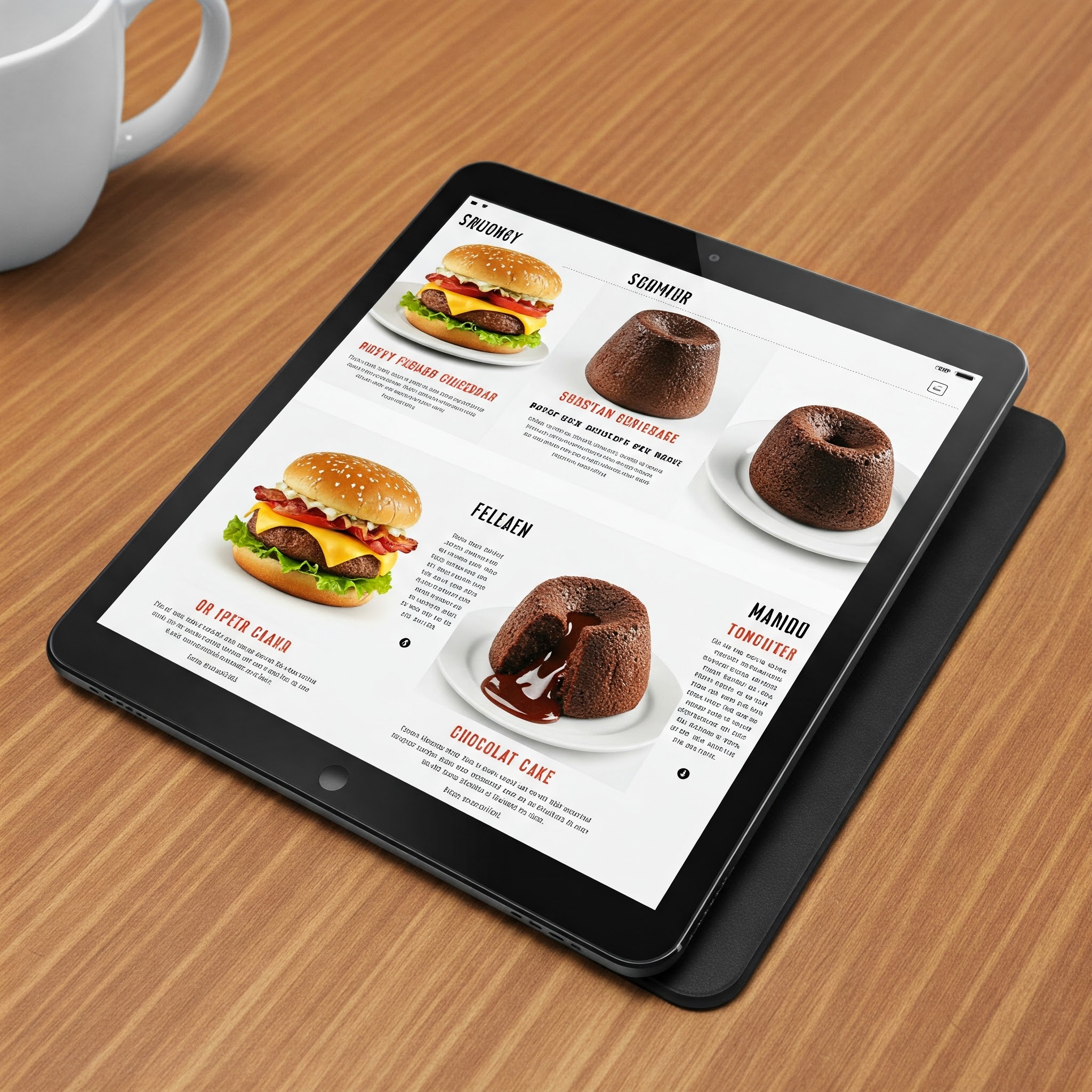
- QR Code Menu System: Replaced all printed menus with a dynamic QR code food menu that allowed real-time updates and personalized offers.
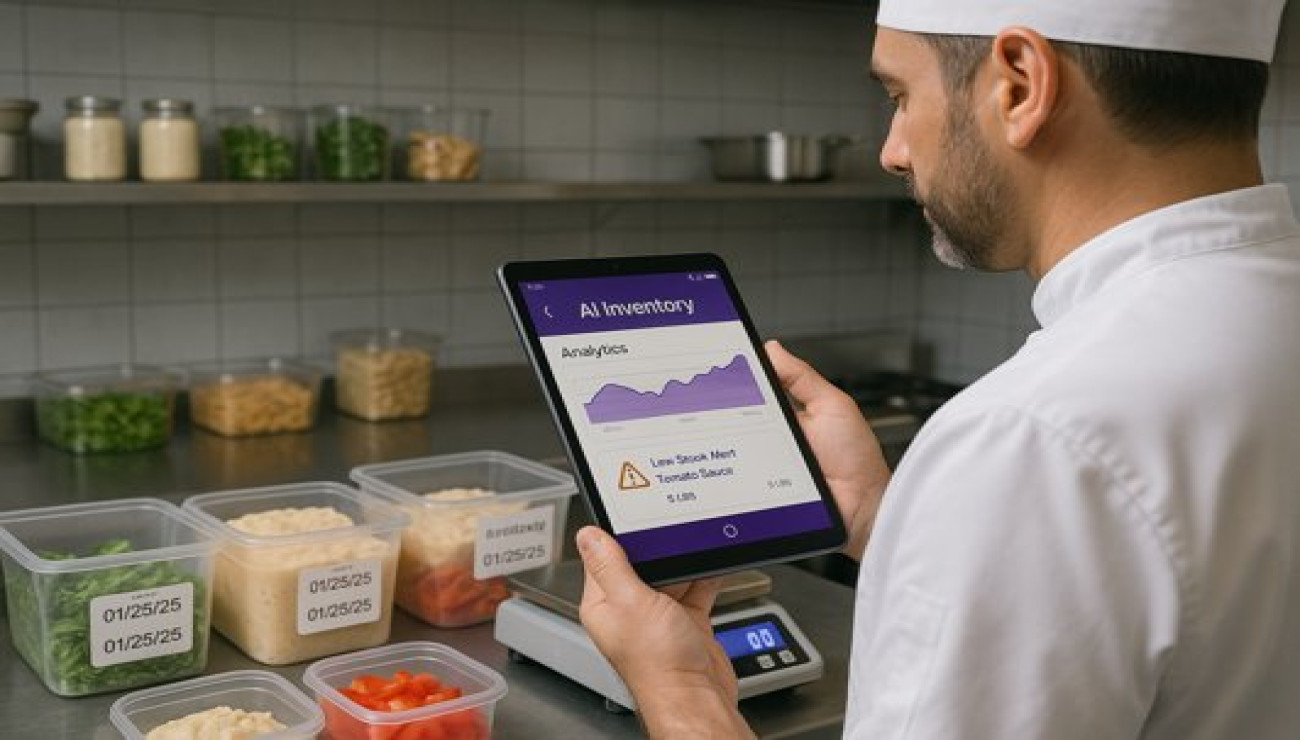
- Inventory Automation: Implemented automated inventory tracking that reduced food waste by 22% through better forecasting.
2. Marketing & Customer Experience Transformation
They revolutionized how they attracted and retained customers through digital marketing and enhanced experiences.
- Google Business Profile Optimization: Completely optimized their listing with posts, photos, and Q&A, resulting in a 135% increase in profile views.
- Multi-Platform Presence: Ensured complete and consistent listings across Zomato, Swiggy, TripAdvisor, and Justdial.
- Email/SMS Marketing Program: Built a subscriber list and implemented automated campaigns that generated a 28% repeat order rate.
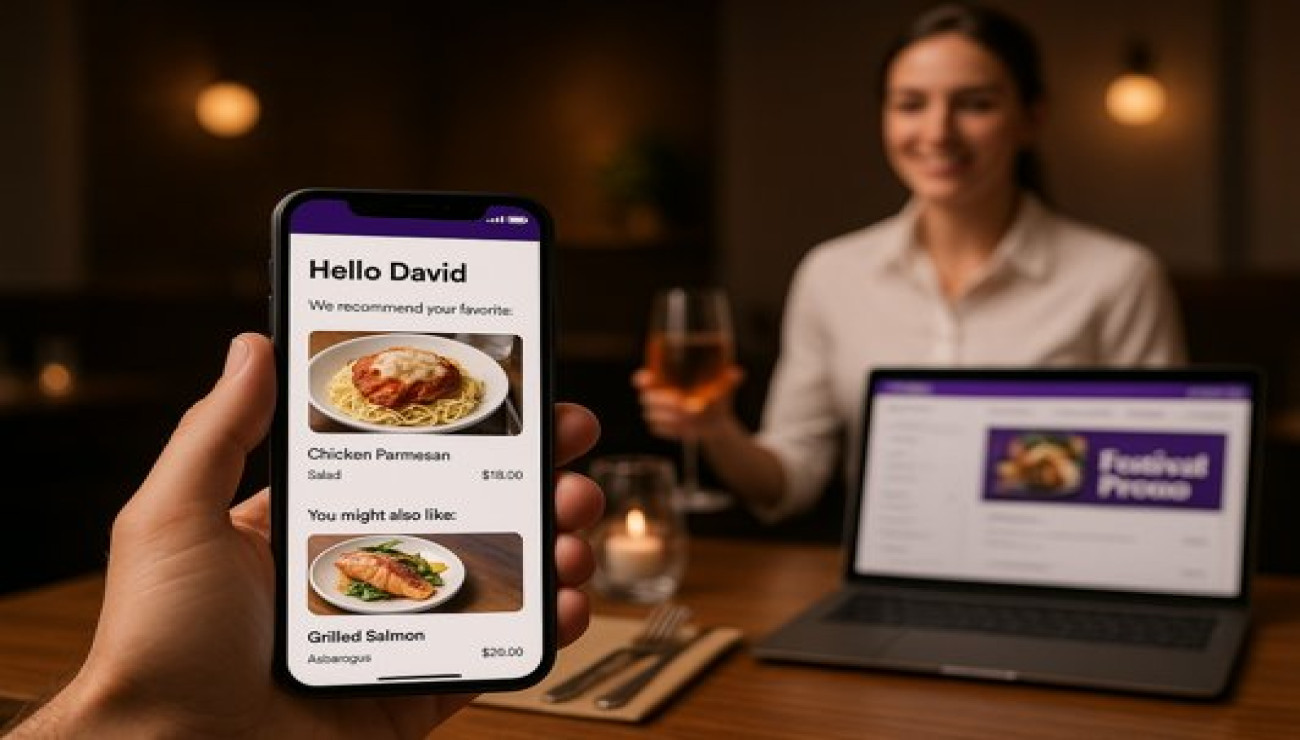
- Personalized Experiences: Used customer data from their POS to personalize offers and recommendations for returning customers.
3. Data-Driven Menu Engineering & Pricing
They transformed their menu from a static list into a dynamic profit engine using data analytics.
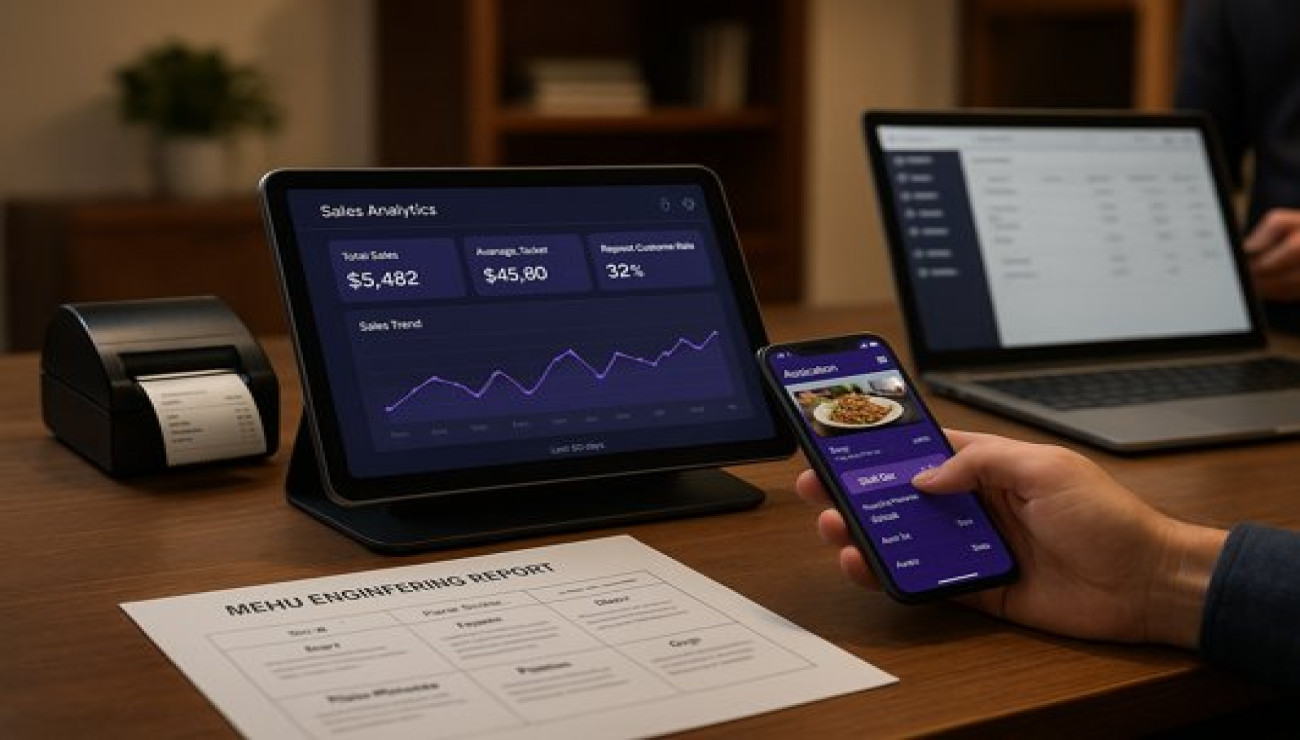
- Menu Analysis: Used their POS data to identify "Stars," "Puzzles," "Plow Horses," and "Dogs" based on profitability and popularity.
- Strategic Repricing: Adjusted prices based on demand elasticity and ingredient costs, increasing overall margin by 8%.
- Descriptive Menu Language: Rewrote all descriptions using sensory language that increased sales of high-margin items by 35%.
- Bundle Creation: Developed strategic bundles that increased average ticket value by 18%.
4. Operational Efficiency Improvements
They streamlined operations to reduce costs and improve service quality.
- Kitchen Display System: Implemented a KDS that improved order accuracy by 40% and reduced preparation time.
- Staff Training Program: Created digital training modules that improved service consistency across shifts.
- Table Turnover Optimization: Their QR code menu reduced wait times and improved table turnaround time by 25% during peak hours.
- Waste Reduction Initiatives: Automated inventory tracking helped reduce food costs by 5% through better portion control and waste management.
The Results: Measurable Impact Across All Metrics
Within six months of implementing this comprehensive strategy, Spice Route Kitchen achieved dramatic results:
- 40% Increase in Total Revenue: Driven by higher transaction frequency and increased average spending.
- 55% of Online Orders through Direct Channels: Reduced third-party commission costs by 65%.
- 35% Increase in Repeat Customers: Built a loyal customer base through personalized marketing.
- 22% Reduction in Food Waste: Through better inventory management and forecasting.
- 18% Increase in Average Order Value: Through strategic upselling and bundle offerings.
- 4.7★ Average Rating: Improved from 4.1★ due to better service and order accuracy.
Key Lessons from Their Success
Several critical factors contributed to this remarkable turnaround:
1. Integration is Everything
Their systems worked together seamlessly—the POS talked to the inventory system, which informed the kitchen displays, which fed data to the marketing platform. This integration created a virtuous cycle of efficiency and insight.
2. Data-Driven Decision Making
They moved from guessing to knowing, using data to inform everything from menu changes to marketing campaigns to inventory orders.
3. Customer Experience as Priority
Every technology implementation was evaluated through the lens of customer experience, ensuring that efficiency gains didn't come at the expense of satisfaction.
4. phased Implementation
They rolled out changes systematically rather than all at once, allowing them to measure impact and make adjustments along the way.
Revenue Growth Implementation Checklist
- Conduct a Technology Audit: Identify gaps in your current systems and integration opportunities.
- Implement an Integrated POS: Choose a system that combines ordering, inventory, and customer management.
- Launch Direct Ordering Channels: Develop your own online ordering system to reduce third-party dependence.
- Optimize Digital Presence: Claim and complete all relevant business listings and review platforms.
- Analyze Menu Performance: Use sales data to identify opportunities for repricing and promotion.
- Develop Customer Retention Programs: Implement email/SMS marketing to encourage repeat business.
- Train Your Team: Ensure staff understands new systems and their role in driving growth.
- Measure and Iterate: Continuously track performance and refine your approach based on data.
Conclusion: A Replicable Blueprint for Growth
Spice Route Kitchen's 40% revenue increase demonstrates that dramatic growth is achievable when restaurants leverage available technology strategically. Their success wasn't based on exotic solutions or massive spending but on implementing integrated, affordable systems that work together to create exceptional customer experiences and operational efficiency. The same tools and strategies are available to any restaurant willing to embrace digital transformation and data-driven decision making.
Your restaurant's growth story begins with a single step toward digital transformation.

Comments (0)