
Social Media Marketing for Restaurants
Gone are the days when a restaurant's reputation was built solely on word-of-mouth and reviews in the local paper. Today, the conversation about where to eat happens online, and it's happening constantly. For restaurant owners, a strategic approach to social media for restaurants is no longer optional—it's essential for survival and growth. It's your digital storefront, your branding megaphone, and your most direct line to customers, all rolled into one.
But simply having a Facebook page or an Instagram account isn't enough. The digital space is crowded. To stand out, you need a plan that goes beyond just posting pictures of food. Effective social media marketing for restaurants is about storytelling, engagement, and creating a community around your brand. It's a powerful channel to execute your restaurant marketing strategy 2025, drive online orders, and build a loyal following that keeps coming back for more.
Building Your Restaurant's Social Media Foundation
Before you dive into creating content, you need a solid foundation. A scattered presence across every platform will drain your resources without delivering results. Focus is key.
1. Choosing the Right Platforms
Not every social platform will be right for your business. Your choice should be guided by your target audience and your restaurant's strengths.
- Instagram: The undisputed king of visual appeal. Perfect for showcasing high-quality food photography, behind-the-scenes (BTS) videos, and short reels. Ideal for cafes, dessert parlors, and brands with a strong aesthetic.
- Facebook: Excellent for building community, sharing events, promoting daily specials, and managing reviews. Its advertising targeting capabilities are powerful for local SEO for restaurants and reaching a broader demographic.
- WhatsApp Business: Less of a traditional "social" platform and more of a critical WhatsApp ordering system. Use it for personalized communication, taking orders, sending menus, and providing customer support.
- YouTube: Invest in longer-form content if you have the resources. Recipe videos, chef interviews, and virtual kitchen tours can build deep engagement and authority.
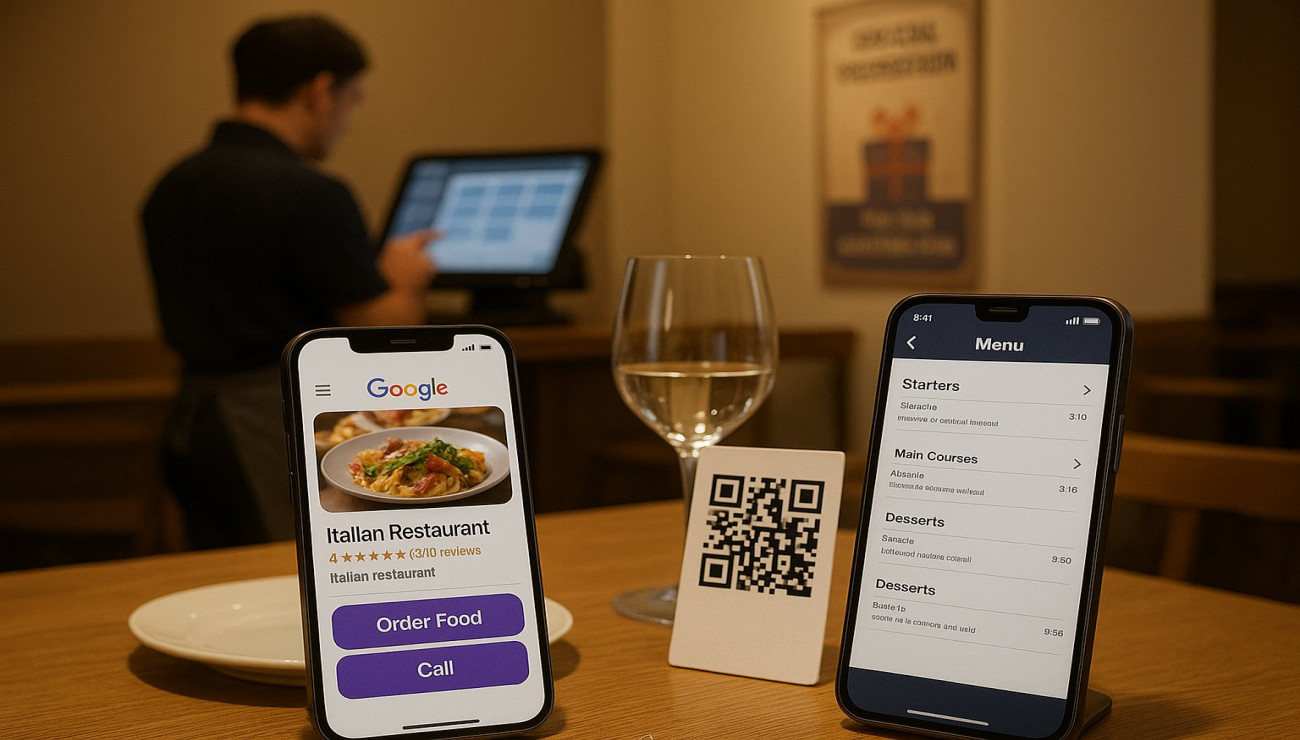
- Google Business Profile: While not classic social media, it functions as one. It's your first point of contact for local searches. Encourage reviews and post updates here regularly.
2. Optimizing Your Profiles for Conversion
Your profile is not just a placeholder; it's a conversion tool. Every element should guide a user to take action.
- Compelling Bio: Clearly state what you offer, your location, and your unique selling proposition.
- Profile Link: This is prime real estate. Use a link-in-bio tool (like Linktree or Beacons) to direct traffic to your online ordering for restaurants page, your main restaurant website in India, or your current promotion.
- Contact Information: Ensure your phone number, address, and hours are always accurate and easy to find.
- Highlight Covers: Use Instagram Story Highlights for permanent menus, ongoing promotions, and customer testimonials.
Content That Connects and Converts
Your content mix should be a blend of promotion, education, and entertainment. The 80/20 rule is a good guide: 80% of your content should inform, engage, or entertain; only 20% should directly promote your business.
The Pillars of Engaging Restaurant Content
- Mouth-Watering Visuals: High-resolution photos and videos of your dishes are non-negotiable. Use natural light and showcase the texture and freshness of your ingredients.
- Behind-the-Scenes (BTS): Humanize your brand. Introduce your chef, show the kitchen prep, share the story behind a signature dish. This builds authenticity and connection.
- User-Generated Content (UGC): Repost photos and stories from customers who tag you. This provides social proof and encourages more customers to share their experiences.
- Interactive Content: Run polls on Instagram Stories asking which new dish to add, host a Q&A with your mixologist, or create a "Guess the Ingredient" challenge.
- Promotions and Offers: Announce weekend specials, happy hour discounts, and festival marketing for food brands campaigns (e.g., a special Independence Day meal kit). Always pair promotional posts with a clear call-to-action (CTA) like "Order now" or "Book a table."
Driving Sales: Integrating Social Media with Your Operations
The ultimate goal of social media is to drive business. Make the path from discovery to purchase as short as possible.
1. Seamless Ordering Integration
Your posts should make it easy for customers to order. Use Instagram's "Order Food" sticker or Facebook's "Start Order" button to link directly to your food ordering system. In your captions, always direct users to the link in your bio to place an order.
2. Leveraging WhatsApp for Personal Touch
Promote your WhatsApp ordering system on your social channels. Encourage customers to message you directly for takeaway orders, catering inquiries, or to make reservations. This personal touch can significantly increase conversion rates.
3. Showcasing Your Digital Tools
Create posts and reels that demonstrate how easy it is to use your restaurant QR menu or custom app. A quick video showing a customer scanning a code and ordering can demystify the process and encourage adoption.
A Case Study in Social Engagement
A small cafe in Delhi was struggling to attract a younger crowd. Their social media consisted of occasional, low-quality food photos. They decided to revamp their strategy. They invested in a few professional photoshoots to create a bank of high-quality assets. They then started posting consistently: beautiful latte art on Instagram, a weekly "Behind the Brew" story featuring their barista, and running a "Tag a friend you'd share this dessert with" contest.
Most importantly, they clearly promoted their new contactless menu solution and their WhatsApp number for pre-orders. Within three months, their Instagram following grew by 200%, their repeat purchase rate increased by 25% as customers felt more connected to the brand, and pre-orders via WhatsApp accounted for 15% of their daily revenue, smoothing out their morning rush. Their average ticket value also increased as they effectively showcased combo deals and premium pastries through visually appealing posts.
Social Media & Marketing Checklist for Restaurants
- Claim and Optimize Profiles: Ensure your name, bio, and contact info are consistent and complete on all chosen platforms.
- Establish a Content Calendar: Plan your posts a week in advance around themes (e.g., Meatless Monday, Throwback Thursday).
- Invest in Quality Visuals: Use a good phone camera and natural light. Create a bank of photos and videos.
- Integrate Ordering Links: Use all available platform-specific features (like Instagram's order sticker) and a link-in-bio tool.
- Engage Daily: Respond to every comment, message, and tag promptly. Run interactive polls and Q&As.
- Encourage Reviews and UGC: Create a hashtag and incentivize customers to post about their experience.
- Run Targeted Ads: Use Facebook/Instagram ads to target users in your locality with enticing offers.
- Analyze and Adapt: Use built-in insights to see what works. Track metrics like engagement rate, website clicks, and follower growth.
Measuring Your Social Media Success
Beyond likes and follows, track metrics that directly correlate to business objectives. Key performance indicators (KPIs) include:
- Engagement Rate: Measures how much your audience interacts with your content (likes, comments, shares).
- Click-Through Rate (CTR): The percentage of people who click the link in your bio or on your ad. This measures how effective your CTAs are.
- Conversion Rate: The percentage of users who take a desired action (e.g., ordering, signing up) after clicking through from social media. This is the ultimate measure of ROI.
- Audience Growth Rate: How quickly you are gaining new followers.
- Cost Per Acquisition (CPA): If you run ads, this tells you how much you spend to acquire a single customer through that ad.
Conclusion: Building a Community, One Post at a Time
Social media marketing for restaurants is about more than just getting the word out; it's about building a community of loyal advocates for your brand. By showcasing your unique story, engaging authentically with your audience, and seamlessly integrating your online presence with your digital solutions for food business, you transform casual scrollers into regular diners. In a competitive market, a strong social media presence is the difference between being just another option and being a beloved destination.
Start the conversation with your customers today. Your next regular is waiting to discover you online.

Comments (0)