

Why POS Integration Matters for Restaurants
In the bustling ecosystem of a modern restaurant, dozens of digital tools promise to streamline operations, boost sales, and enhance customer service. From online ordering for restaurants to restaurant marketing strategy 2025 platforms, the array of solutions can be overwhelming. However, these tools often create a new problem: data silos. When your food ordering system doesn't talk to your inventory, and your WhatsApp ordering system operates separately from your billing, you're left with manual work, errors, and missed opportunities.
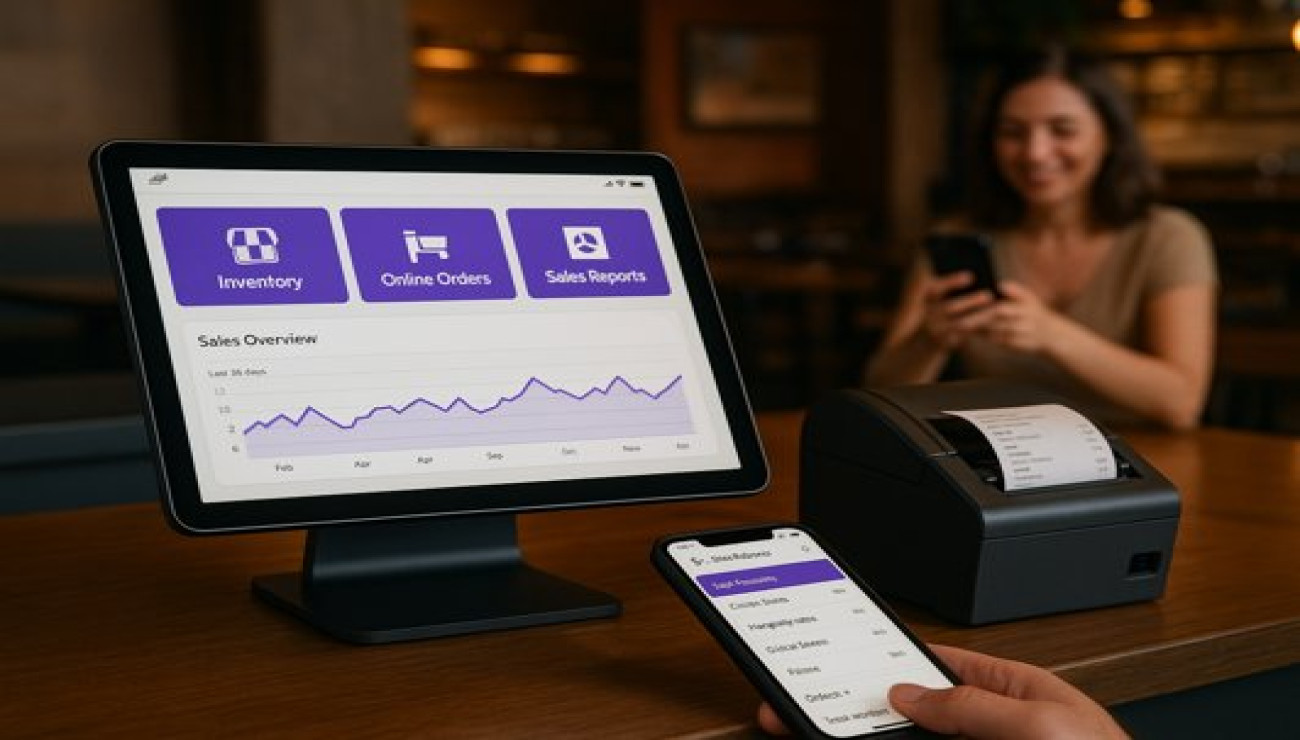
The central nervous system that can connect all these functions is your Point of Sale (POS) system. But a POS operating in isolation is just a digital cash register. Its true power—and the key to unlocking seamless restaurant management—is integration. POS integration creates a unified network where data flows automatically between your front-of-house, back-of-house, and customer-facing channels, transforming your operation from a collection of parts into a cohesive, intelligent machine.
What is POS Integration? Beyond Basic Software
POS integration refers to the seamless connection between your restaurant's primary POS software for restaurants and all other third-party applications and hardware you use. This is achieved through APIs (Application Programming Interfaces), which allow different software systems to communicate and share data in real-time without manual intervention.
Think of it as the difference between having a standalone printer and being part of a wireless network where every device can print instantly. An integrated smart POS for small eateries becomes the hub of your entire operation, syncing data with:
- Online ordering platforms (your website and aggregators)
- Payment gateways
- Accounting and bookkeeping software
- Inventory management systems
- Customer relationship management (CRM) tools
- Table management and reservation systems
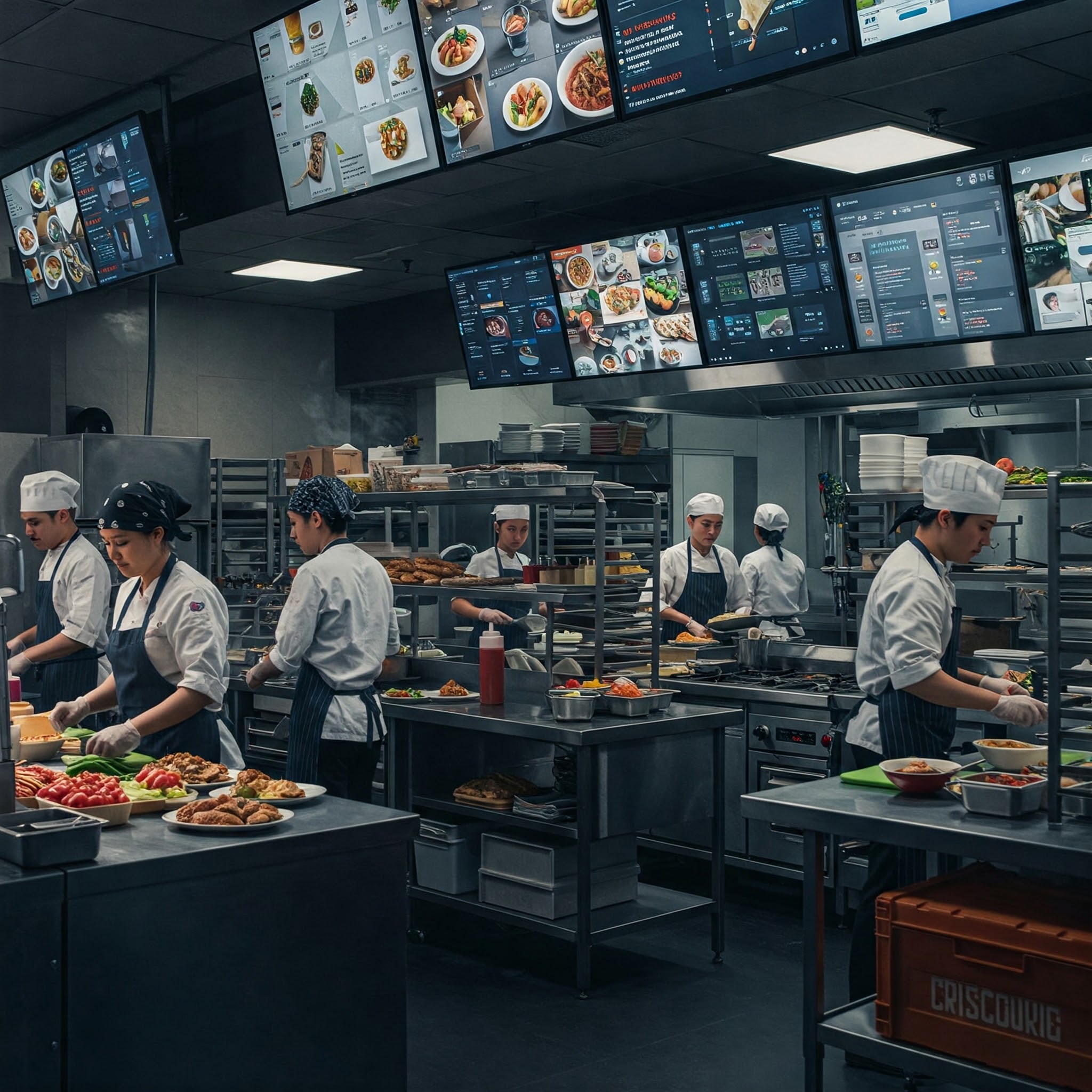
- Kitchen display systems (KDS)
- Employee scheduling software
The Tangible Benefits of a Fully Integrated System
The move from disconnected tools to a unified system delivers measurable improvements across every facet of your business, from the kitchen to the accounting books.
1. Eliminate Manual Entry and Drastically Reduce Errors
When a customer places an order on your website, it should appear instantly on your kitchen screen and in your POS for billing. Without integration, staff must re-enter the order manually, a process prone to mistakes that directly hurt your order accuracy rate. Integration automates this flow, ensuring what is ordered is what is cooked and billed.
2. Gain a Single Source of Truth for Reporting
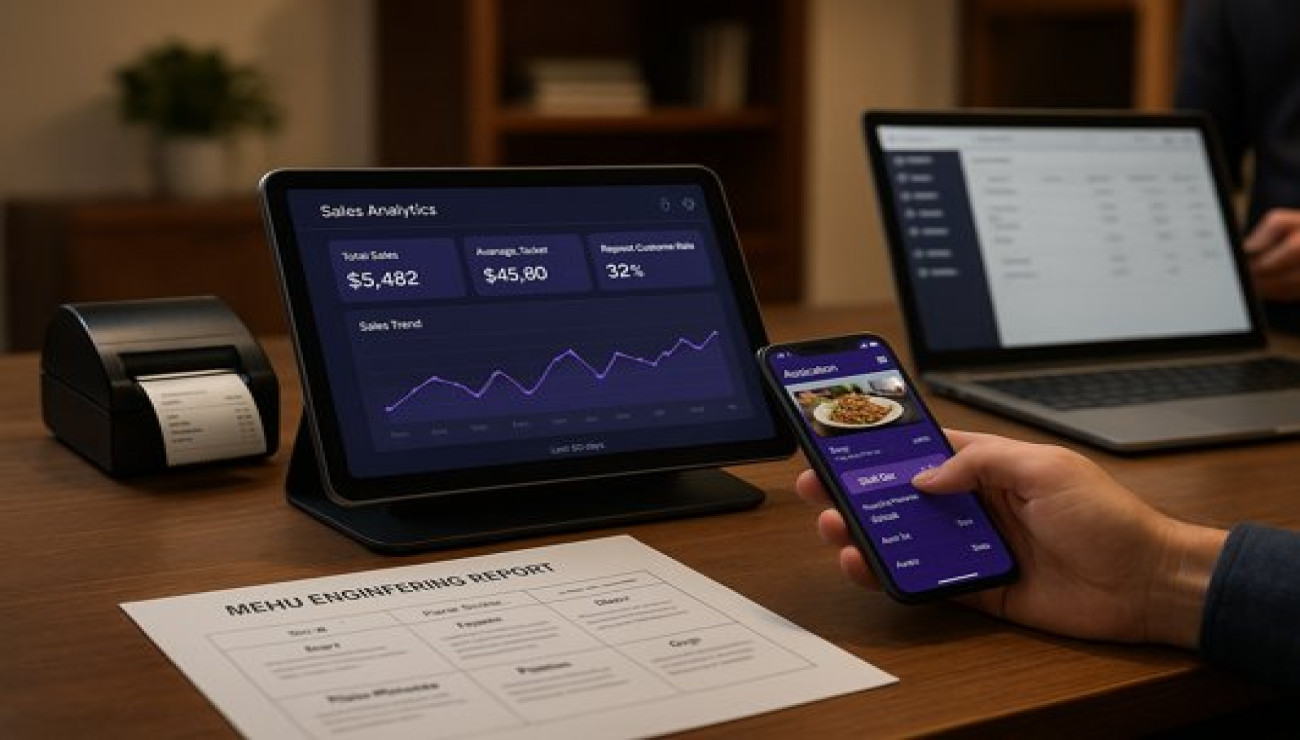
How do you calculate your true average ticket value if online orders are in one system and dine-in sales in another? Integration pools all sales data—dine-in, online, app, and delivery—into one centralized report. This provides a holistic, accurate view of your performance, best-selling items, and revenue trends, which is essential for making informed decisions.
3. Automate Inventory Management in Real-Time
This is a game-changer. Every time a dish is sold—whether at a table, online, or via a WhatsApp ordering system—your integrated POS deducts the corresponding ingredients from your digital inventory. This provides real-time stock levels, triggers automatic alerts for low-stock items, and generates precise reports on ingredient usage, helping to drastically reduce waste and optimize purchasing.
4. Unify Customer Data and Drive Loyalty
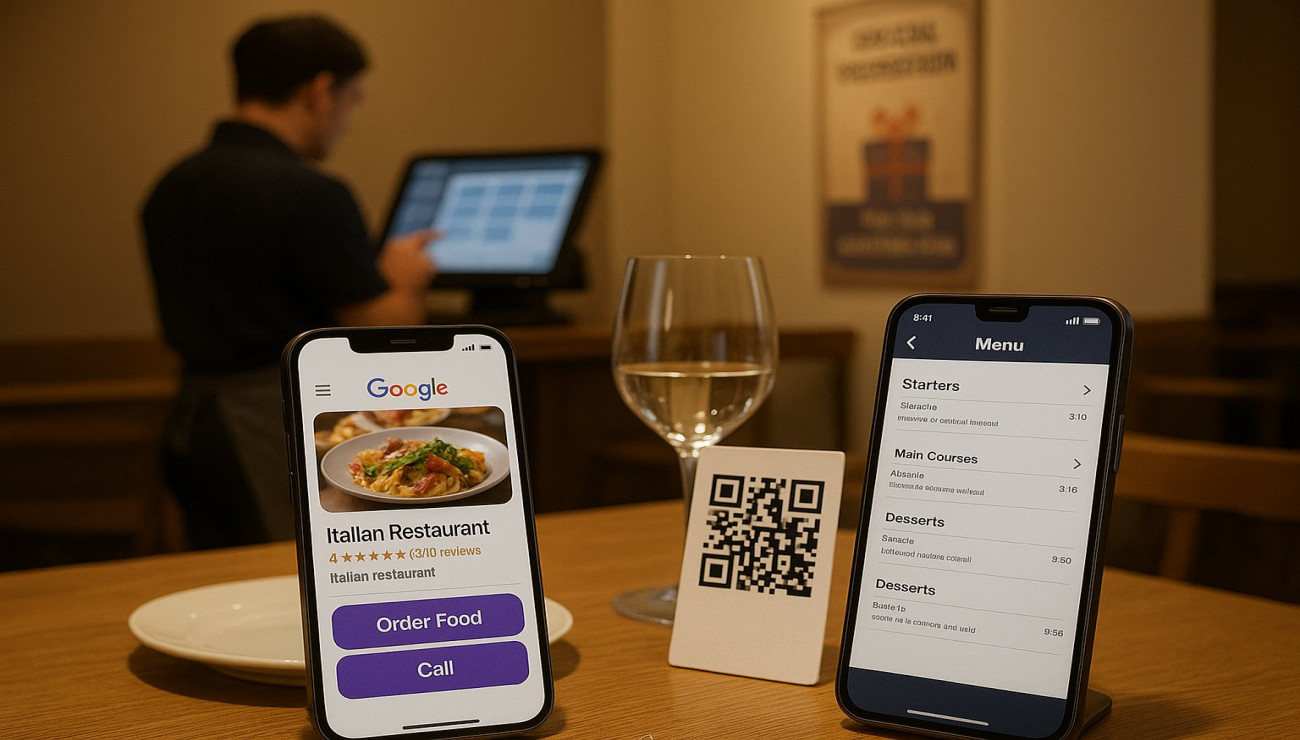
An integrated POS recognizes a customer whether they order in-person, through your QR code food menu, or via an app. It tracks their order history, preferences, and spending, building a complete profile. This allows for personalized marketing, targeted offers, and effective loyalty programs that increase your repeat purchase rate.
5. Streamline Operations and Improve Table Turnover
Integrations with table ordering solution kiosks or waiter apps send orders directly to the kitchen, shaving precious minutes off the service process. This improved efficiency directly improves your table turnaround time, allowing you to serve more customers during peak hours.
A Case Study in Efficiency: From Chaos to Cohesion
A multi-cuisine restaurant with a strong dine-in and delivery business was struggling with its disconnected tech stack. Their aggregator orders (Swiggy, Zomato) printed on a separate terminal in the kitchen, unbeknownst to the cashier at the main POS. This led to double-ordering, inventory discrepancies, and accounting nightmares. Their staff spent hours every week manually reconciling sales reports from three different systems.
They implemented a modern POS software for restaurants with native integrations for major aggregators. The result was transformative:
- 100% Order Accuracy: All online orders flowed directly into the same kitchen display system as dine-in orders, eliminating manual entry and errors.
- Real-Time Inventory: Every dish sold automatically reduced inventory counts, giving the manager accurate daily stock reports.
- Unified Reporting: The owner could now see total sales, top items, and customer trends from one dashboard, combining all channels.
- 15% Labor Cost Reduction: By eliminating 10+ hours of weekly manual reconciliation, managers could focus on staff training and customer service.
Your POS Integration Readiness Checklist
- Audit Your Current Stack: List all software and hardware (ordering, payments, accounting, etc.).
- Identify Key Pain Points: Where is manual double-entry causing errors or delays?
- Choose an Open API POS: Select a restaurant SaaS India provider known for robust integrations.
- Prioritize Integrations: First connect online ordering and payment gateways. Then add accounting and inventory.
- Train Your Team: Ensure staff understands the new, streamlined workflows.
- Leverage Customer Data: Use integrated CRM features to build a loyalty program.
- Go Contactless: Integrate your restaurant QR menu with the POS for direct ordering.
- Monitor KPIs: Track order accuracy, inventory waste, and table turnover to measure ROI.
Key Integrations for Maximum Impact
While you can integrate dozens of tools, focus on these core connections first to get the most significant return on your investment.
1. Online Ordering and Delivery Aggregators
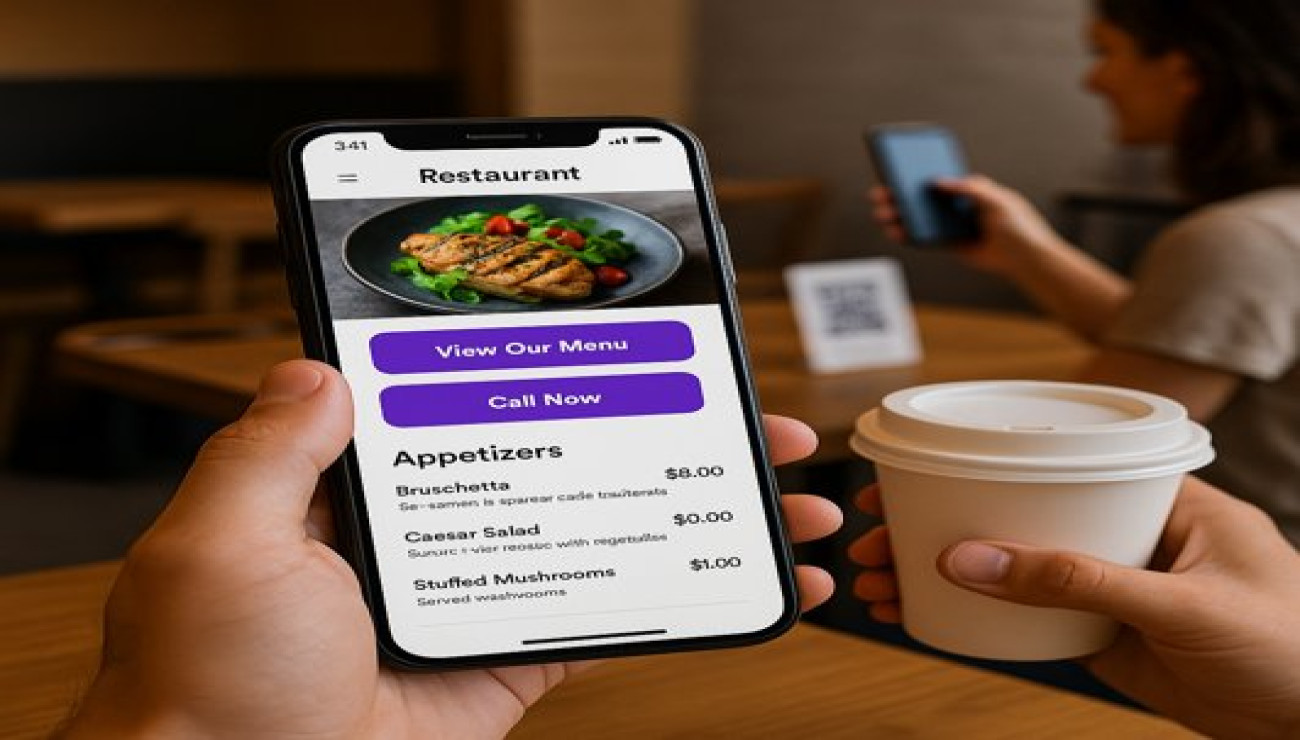
This is non-negotiable. Ensure your POS seamlessly integrates with your own online ordering for restaurants website and major food delivery platforms. This synchronizes menus, orders, and settlements automatically.
2. Payment Gateways
Integrated payments mean transaction data is automatically recorded in your sales reports, simplifying reconciliation and reducing cash handling errors.
3. Accounting Software
Automatically push your daily sales data to accounting software like Tally or QuickBooks. This eliminates the most tedious bookkeeping task and ensures financial accuracy.
4. Inventory Management Systems
This integration turns your POS from a sales tracker into a proactive business manager, controlling costs and reducing spoilage.
Choosing the Right POS for Seamless Integration
Not all POS systems are created equal. When evaluating options, prioritize restaurant automation tools with:
- A Open API: This indicates the system is built to connect with other tools.
- Pre-Built Integrations: Check if the vendor already has partnerships with the aggregators and software you use.
- Scalability: Choose a system that can grow with you, adding more integrations as your business expands.
Conclusion: Integration is Intelligence
In today's competitive landscape, data is your most valuable asset. A disconnected POS system locks that data away in separate silos, forcing you to make decisions based on incomplete information. An integrated POS sets your data free, allowing it to flow seamlessly across your entire operation. This connectivity automates tedious tasks, eliminates costly errors, provides unparalleled business insights, and ultimately creates a smoother experience for both your staff and your customers.
Investing in a fully integrated system is not just a technology upgrade; it's a strategic business decision that lays the foundation for efficiency, profitability, and growth.
Stop managing multiple systems and start running one integrated business. Choose a POS that connects your entire operation.

Comments (0)