

Personalization: The Future of Dining
The future of dining is not just about what's on the plate—it's about crafting a unique experience for every single guest who walks through your doors or visits your ordering platform. Personalization is rapidly evolving from a luxury differentiator to a core customer expectation. In an era of digital saturation, customers crave recognition and tailored experiences. For restaurants, this shift represents an unprecedented opportunity to build deeper loyalty, increase customer lifetime value, and create a significant competitive advantage.
True personalization goes beyond addressing a customer by name. It's about leveraging data and technology to anticipate needs, remember preferences, and deliver relevant offers that make every guest feel like a VIP. From your restaurant website in India to your POS software for restaurants, every touchpoint holds the potential to gather insights and deliver a customized experience that drives revenue and fosters unwavering brand loyalty.
The Building Blocks of Hyper-Personalized Dining
Creating a personalized experience requires a strategic approach built on data collection, integration, and actionable insights.
1. The Integrated Tech Stack: Your Personalization Engine
Personalization cannot exist in silos. It requires a connected ecosystem of restaurant automation tools.
- Smart POS System: Your POS software for restaurants is the brain. It should track order history, preferences, and average spend, building a rich customer profile with every interaction.
- Unified Customer Database: This profile should be accessible across platforms—whether a customer orders via your online ordering for restaurants website, a third-party app, or in-person.
- CRM & Marketing Platforms: Systems that use this data to segment audiences and automate personalized email and SMS campaigns, like birthday offers or "we miss you" discounts.
2. The Power of the Digital Menu
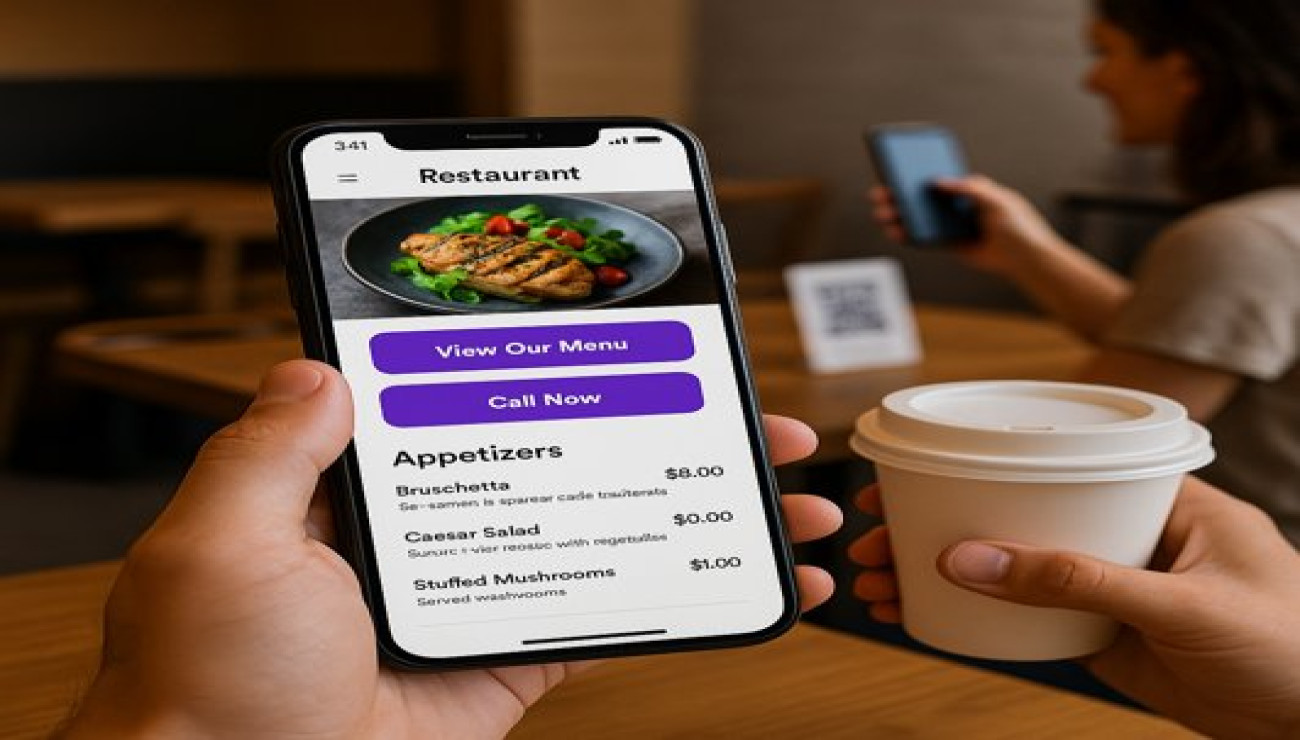
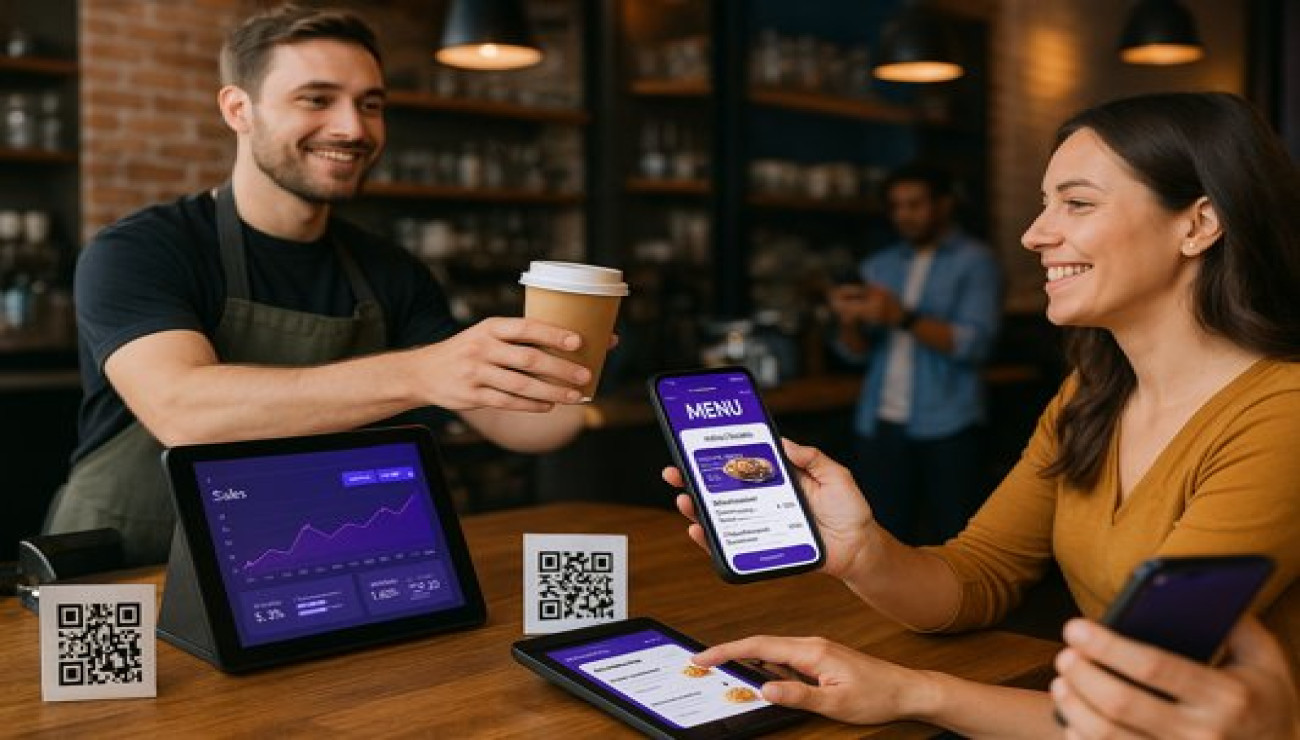
Your QR code food menu becomes an intelligent, adaptive interface for personalization.
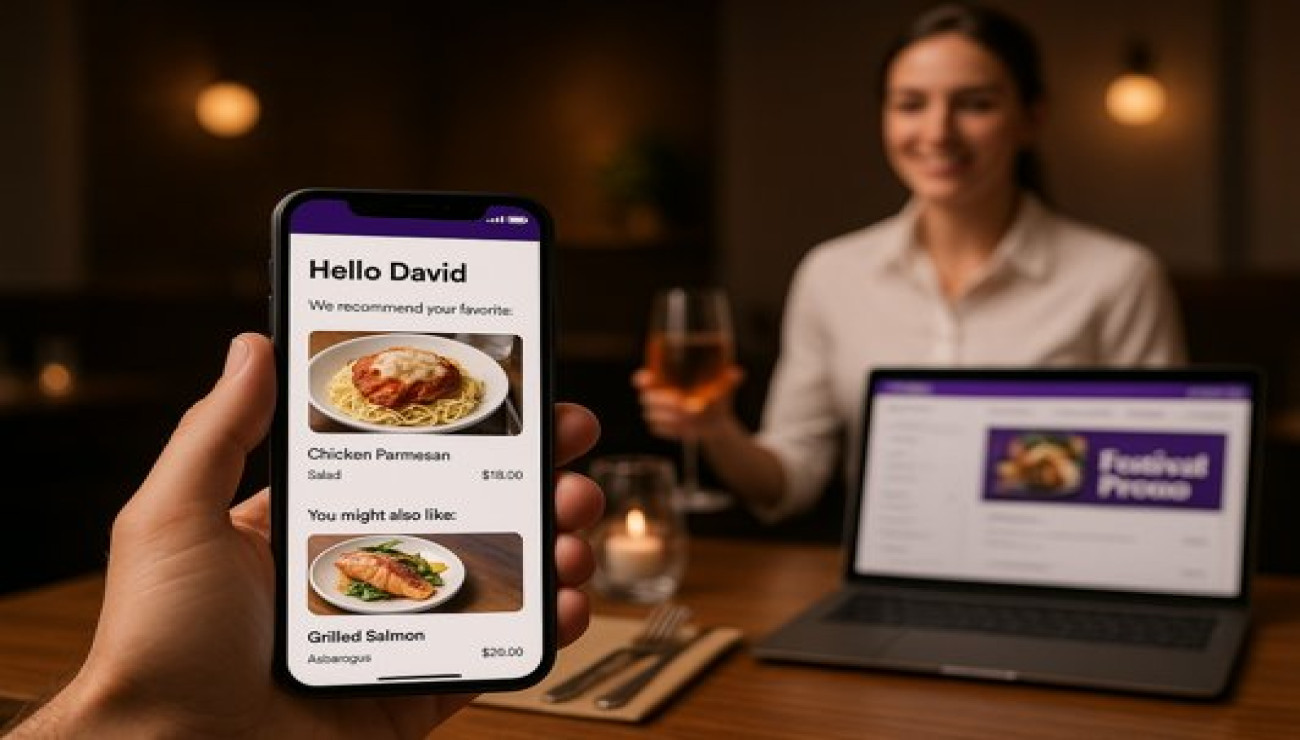
- Recognized Return Guests: When a repeat customer scans the code, the menu can welcome them by name and highlight their "usual" order or suggest new items based on their past preferences.
- Dietary Preferential Filtering: Guests can set filters once (e.g., "vegetarian," "gluten-free," "spicy") and the menu will automatically prioritize relevant dishes in future visits.
- Personalized Promotions: Display offers tailored to that specific customer's behavior, such as a discount on a dish they've been eyeing but haven't tried yet.
Key Personalization Strategies for Modern Restaurants
Implement these actionable strategies across the customer journey to make personalization a reality.
1. Pre-Visit: Personalized Marketing & Outreach
The experience begins long before a customer places an order.
- Segmented Campaigns: Use your CRM to send targeted emails or SMS. Send lunch special promotions to office workers in your area during weekdays, and family dinner deals on weekends.
- Re-engagement Campaigns: Automate messages to customers who haven't visited in a while: "We miss you! Here's 20% off your favorite Butter Chicken."
- Birthday & Anniversary Rewards: Automate a special gift or discount for a customer's birthday, making them feel truly valued.
2. During the Visit: The Tailored Ordering Experience
This is where personalization makes the most immediate impact.
- Staff Empowerment: Arm your servers with customer data. A tablet can alert them that "Table 4 is occupied by a VIP customer who loves Italian wines and usually orders pasta."
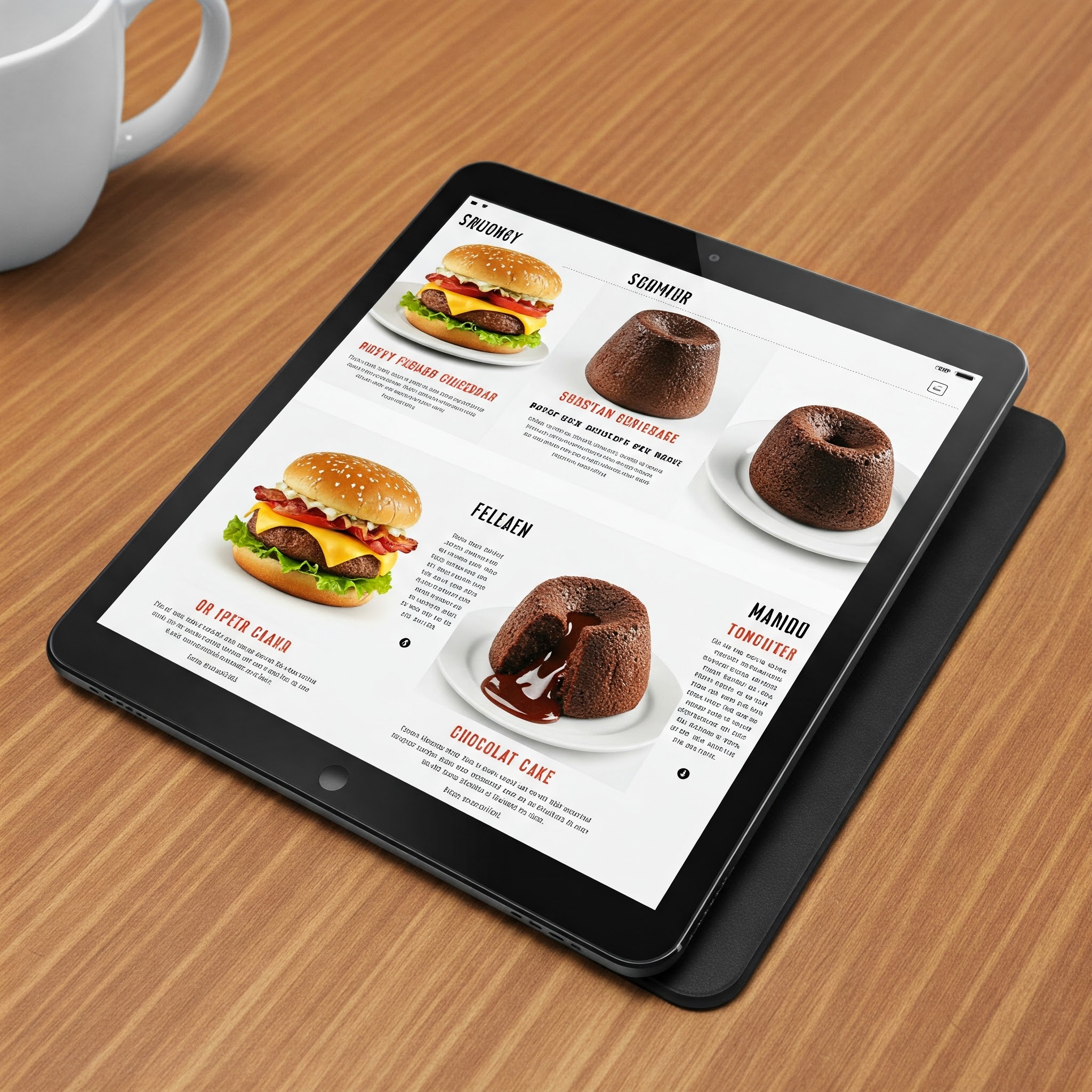
- Dynamic Digital Menus: As mentioned, a smart contactless menu solution can display personalized recommendations and offers.
- Customized Meal Kits: For regulars, offer the ability to pre-set their customizations for their favorite dish, making ordering instantaneous.
3. Post-Visit: Loyalty That Feels Exclusive
Personalization continues after the meal to encourage repeat business.
- Personalized Loyalty Rewards: Instead of generic points, offer rewards they actually want. "You're 2 orders away from a free portion of garlic naan, your most-added side!"
- Feedback Solicitation: Send a follow-up message asking for a review on a specific dish they tried, showing you value their individual opinion.
- Preview of New Items: Give your top customers a first look and a special offer to try a new menu item before it's officially launched.
A Case Study: From Anonymous to Known
A premium cloud kitchen noticed that while they had high first-time order volume, their repeat purchase rate was low. They implemented a personalization strategy.
They started using their POS software to track customer orders. For any customer who ordered twice, they created a simple profile. Then, they integrated this with their WhatsApp ordering system.
On a customer's third visit to their ordering page, a automated WhatsApp message would trigger: "Welcome back! Ready for your usual Chicken Tikka Roll with extra mint chutney? Click here to order it instantly."
Result: This simple act of remembering a customer's "usual" led to a 40% increase in conversion from that segment and increased their repeat customer rate by 25% within one quarter. Customers felt recognized and valued, which fostered fierce loyalty in a competitive market.
Personalization Implementation Checklist
- Audit Your Data Collection: Ensure your POS captures customer phone numbers/emails and order details.
- Choose an Integrated Tech Stack: Select a POS, CRM, and marketing platform that share data seamlessly.
- Start Simple with Segments: Create basic customer segments (e.g., new, regular, VIP, vegetarian).
- Launch a "Welcome Back" Campaign: Automate a personalized offer for a second-time customer.
- Empower Your Staff: Provide servers with customer preference data to enhance service.
- Personalize Your Digital Menu: Implement a smart QR menu that greets return guests.
- Create a Tiered Loyalty Program: Offer increasingly valuable perks based on customer spend.
- Measure & Iterate: Track the impact on average ticket value and repeat rates, and refine your approach.
The Future: AI-Driven Predictive Personalization
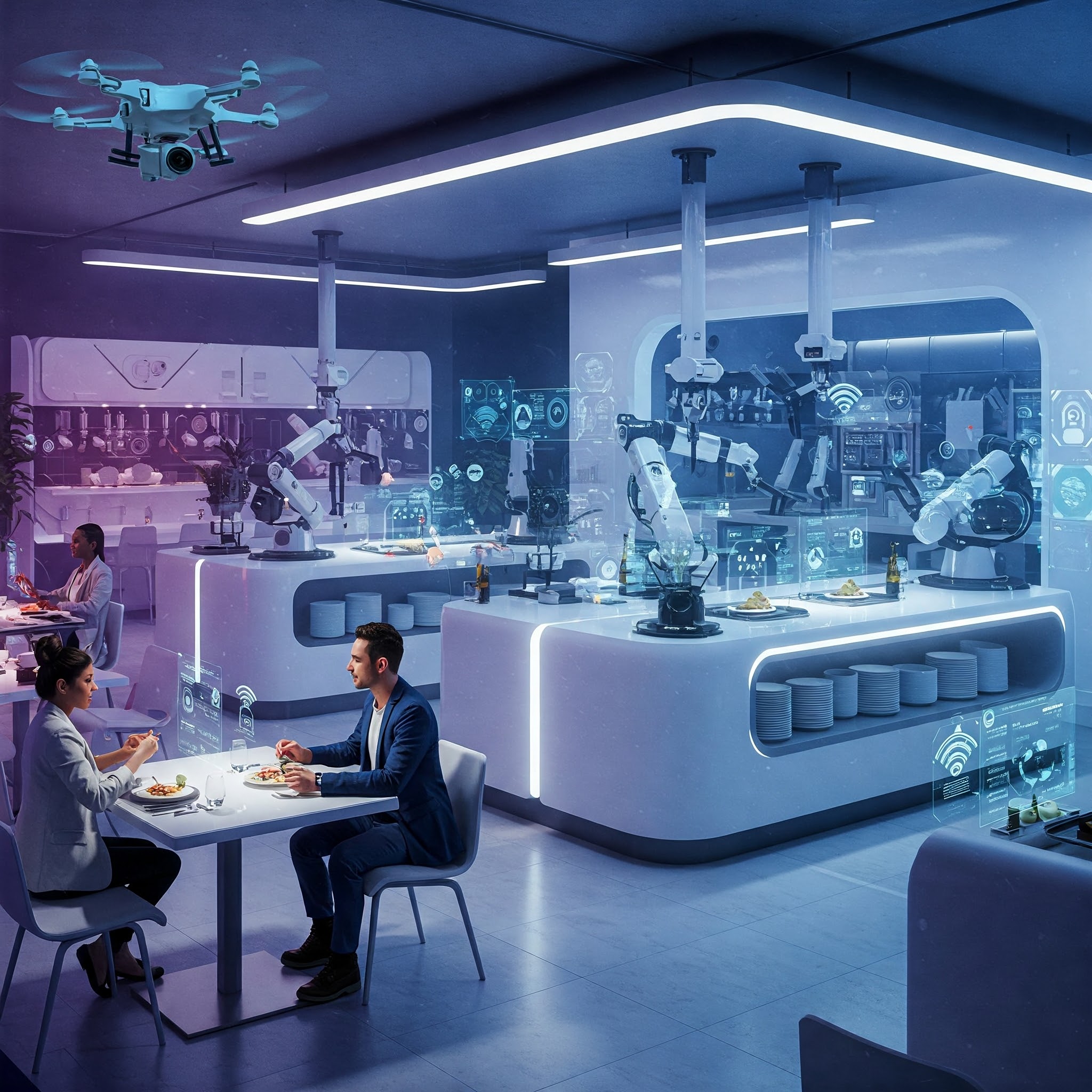
The next frontier involves artificial intelligence that can predict desires before the customer even articulates them.
- Predictive Ordering: An app that notifies a customer, "Based on your routine, it looks like you might be ready for your weekly coffee order. Shall we prepare your usual?"
- Dynamic Menu Pricing: Offering personalized limited-time discounts on slow-moving inventory to customers who are most likely to enjoy those items.
- Hyper-Personalized Nutrition: For health-focused brands, offering meal plans based on a customer's stated health goals and order history.
Conclusion: The Most Important Ingredient is the Customer
Personalization is the future of dining because it places the customer at the absolute center of your business model. It transforms transactions into relationships and customers into advocates. By leveraging the data you already have and investing in the right digital solutions for food business, you can create experiences that are not only memorable but also highly profitable. In the crowded food and beverage market, the brands that win will be those that make every customer feel known, understood, and valued.
Start your personalization journey today. Your customers are waiting to be seen.
Comments (0)