

Reduce Food Waste with Smart Solutions
Food waste is a silent profit killer in the restaurant industry. For every meal served, a significant portion of revenue is literally thrown away—through over-ordering, spoilage, plate waste, and inefficient kitchen practices. But what if your kitchen could become a lean, profit-maximizing machine? The era of guesswork is over. Today, smart solutions for food waste reduction leverage data, automation, and strategic planning to tackle this challenge head-on, transforming sustainability into a powerful competitive advantage and a major contributor to your bottom line.
Reducing waste isn't just an ethical imperative; it's one of the most effective ways to grow restaurant business online and offline by directly improving profitability. Modern restaurant automation tools and POS software for restaurants provide the insights and control needed to minimize waste at every stage, from vendor order to customer plate. This guide will explore the actionable tech-driven strategies that forward-thinking restaurants are using to cut costs and operate more sustainably.
The High Cost of Kitchen Waste: Beyond the Bin
Understanding the full financial impact of waste is the first step toward solving it. The cost isn't just the price of the discarded food; it's a multi-layered drain on resources.
- Direct Food Cost: The purchase price of ingredients that spoil or are thrown away.
- Labor Cost: The time staff spend prepping food that is never sold.
- Overhead Cost: Energy and storage space used for food that doesn't generate revenue.
- Waste Disposal Fees: The cost of hauling away organic waste.
- Environmental Cost: The carbon footprint associated with producing, transporting, and decomposing wasted food.
For many restaurants, reducing food waste by just 20% can increase profit margins by a significant percentage, often equivalent to a substantial increase in sales.
Smart Tech Solutions to Minimize Waste
The key to effective waste reduction is visibility and data. You can't manage what you don't measure. The following technologies provide the necessary insights.
1. Integrated Inventory & POS Management
The cornerstone of waste reduction is a modern POS software for restaurants that includes advanced inventory management modules. This integration is revolutionary:
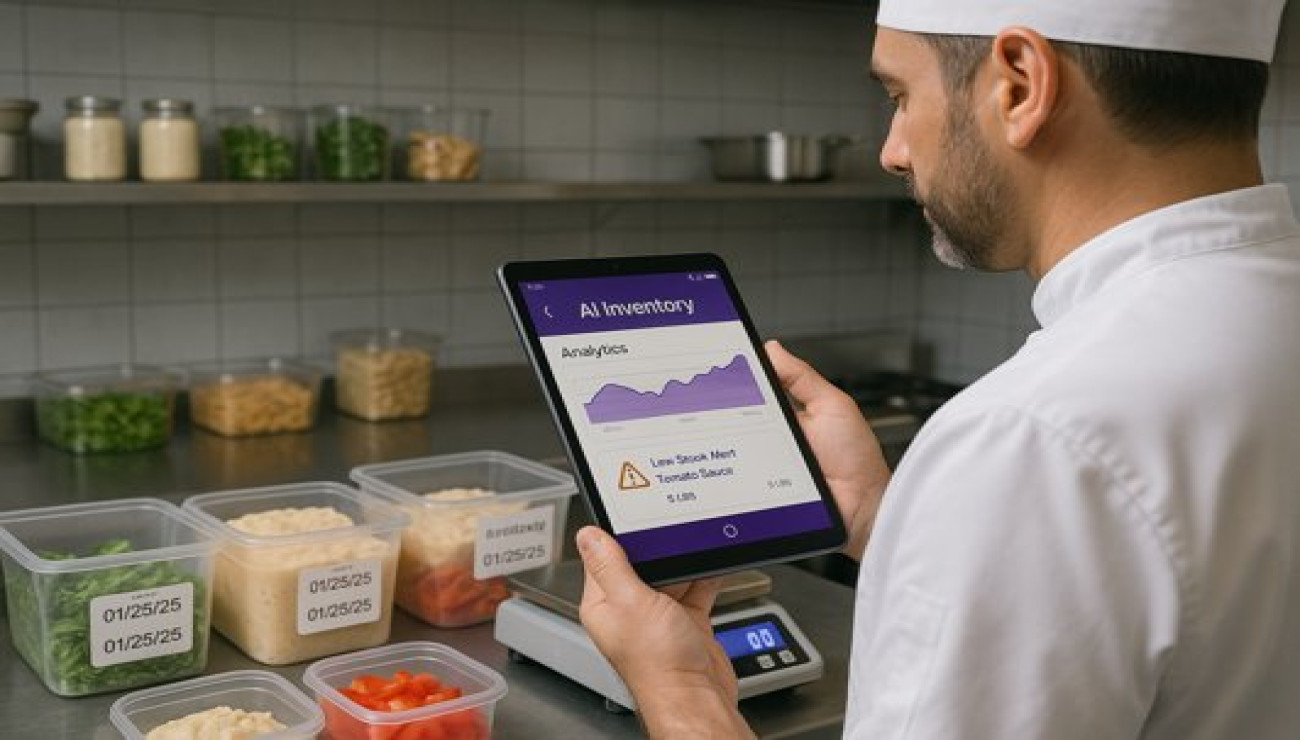
- Real-Time Tracking: Every time a dish is sold, the system automatically deducts the ingredients from your digital inventory. This provides an accurate, real-time view of stock levels.
- Low-Stock Alerts: Receive automatic notifications when key ingredients fall below a predetermined threshold, preventing last-minute panic ordering and over-purchasing.
- Usage Reports: Analyze which ingredients are used most and least, identifying slow-moving items that are prone to spoilage.
- Theft & Loss Prevention: Track variances between theoretical usage (based on sales) and actual physical inventory counts, highlighting potential areas of loss.
2. AI-Powered Demand Forecasting
Advanced restaurant automation tools now use artificial intelligence to predict future sales with remarkable accuracy.
- Historical Data Analysis: AI algorithms analyze years of sales data to predict daily demand based on factors like day of the week, weather, and local events.
- Smart Prep Lists: The system generates precise prep guides for the kitchen, indicating exactly how much of each item to prepare, drastically reducing over-preparation.
- Vendor Order Optimization: Get data-driven suggestions for how much to order from suppliers, minimizing excess stock that could spoil.
3. Dynamic Menu Management
Your menu itself can be a tool for waste reduction. A digital menu solution allows for incredible flexibility.
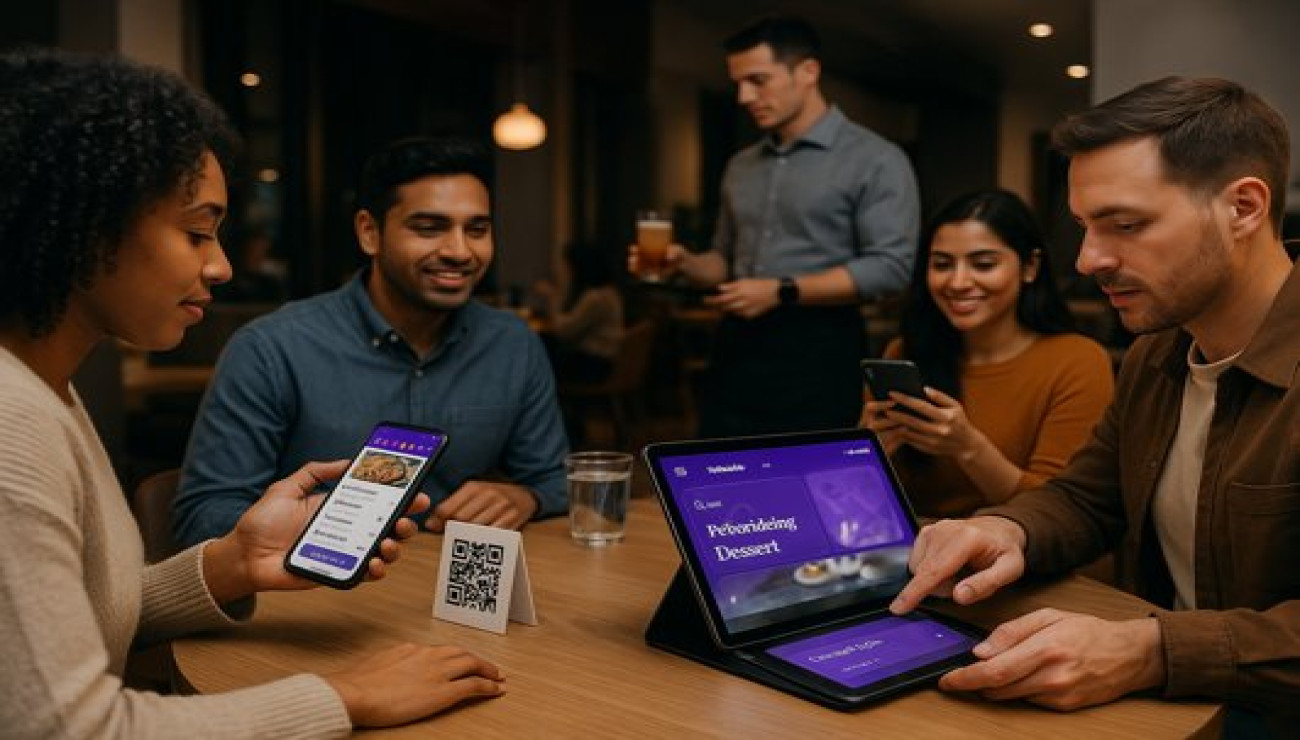
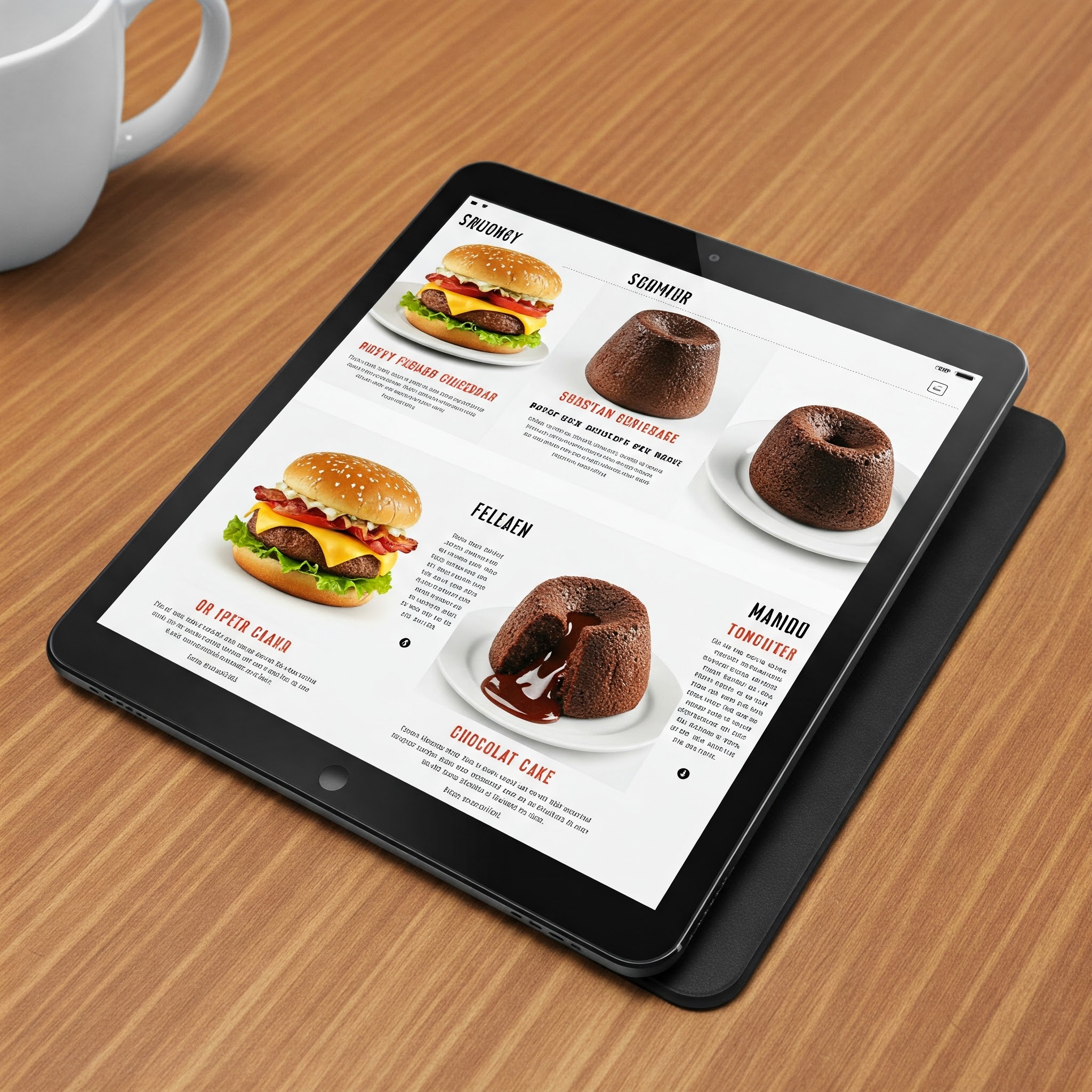
- Feature "Flash" Specials: Use your QR code food menu to promote daily specials designed to utilize ingredients that are nearing the end of their freshness. This is a prime example of festival marketing for food brands on a daily scale.
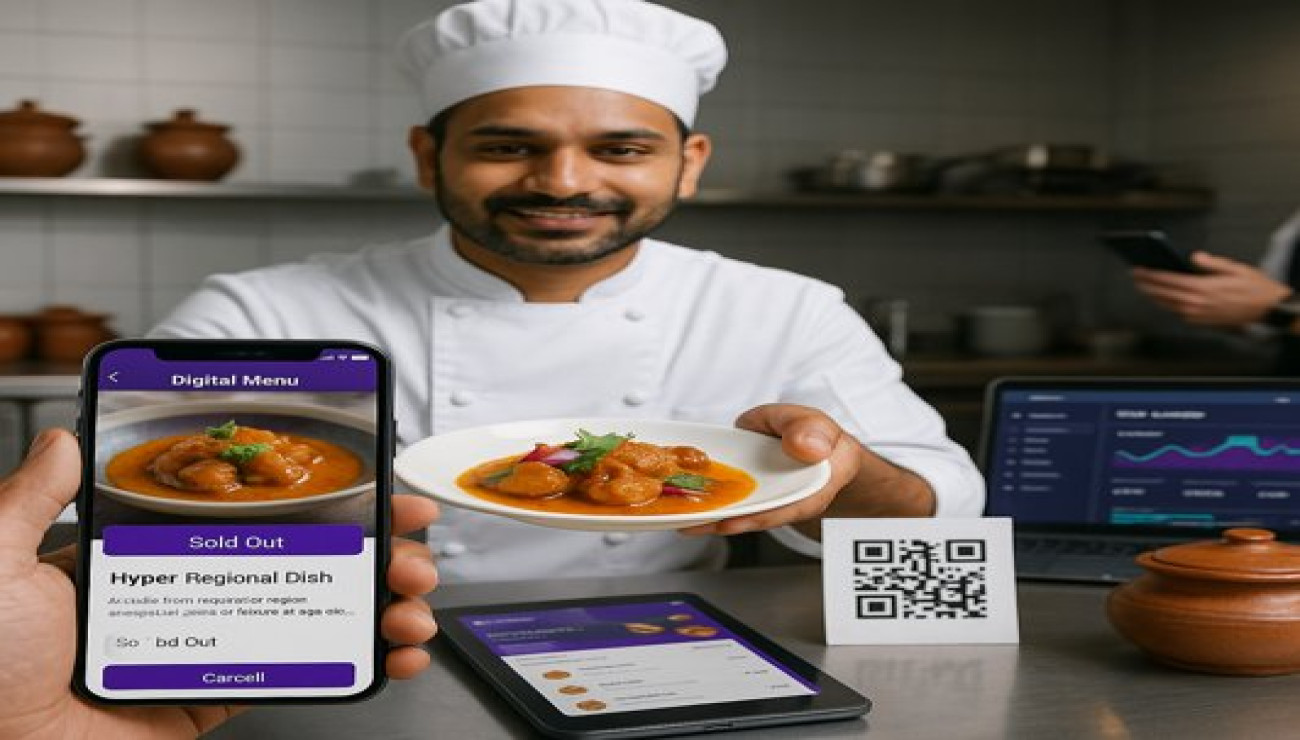
- Real-Time Menu Updates: Instantly remove items from your online and in-house menus when ingredients run out, preventing disappointed customers and last-minute substitutions.
- Cross-Utilization Engineering: Design menus where ingredients are used across multiple dishes, ensuring nothing sits idle. For example, a roasted chicken dinner, chicken salad lunch special, and chicken stock from the bones.
Operational Strategies for a Lean Kitchen
Technology enables smarter processes, but a culture of waste reduction must be ingrained in your team's daily habits.
1. The "First-In, First-Out" (FIFO) Method
This foundational practice must be strictly enforced. New stock is placed behind old stock, ensuring that older ingredients are used first. Smart labeling systems with date stickers are crucial for success.
2. Waste Tracking and Analysis
Designate a "waste log" — a simple notepad or digital form where kitchen staff记录 the type and reason for any wasted food (e.g., "500g paneer - spoilage," "3 portions biryani - overcooked"). Reviewing this log weekly reveals costly patterns and opportunities for training.
3. Portion Control and Standardization
Use scales and measuring tools to ensure every dish is consistent. This not only controls food cost but also reduces plate waste from customers who can't finish oversized portions.
A Case Study: From Waste to Profit
A mid-sized cloud kitchen in Mumbai was struggling with a consistently high food cost percentage of 38%. Their main issue was over-ordering fresh produce, which often led to spoilage. They implemented a smart POS for small eateries with integrated inventory management.
The system's AI forecasting tool analyzed their sales history and began generating optimized vendor orders. They also started using their digital menu to create a daily "Chef's Surprise Bowl" that creatively used any surplus ingredients. Within three months, their food cost percentage dropped to 32%. This 6-point reduction translated to thousands of rupees in saved profit each week, simply by leveraging data to make smarter decisions and promoting a flexible special directly to customers through their online ordering for restaurants platform.
Smart Waste Reduction Implementation Checklist
- Conduct a Waste Audit: Track all waste for one week to identify key problem areas.
- Invest in an Integrated POS/Inventory System: Choose a POS software that provides real-time tracking and reporting.
- Implement FIFO Labeling: Use a date-labeling system for all stored ingredients.
- Start a Waste Log: Have staff record what is thrown away and why.
- Train Your Kitchen Team: Educate staff on portion control, proper storage, and the financial impact of waste.
- Engineer Your Menu for Efficiency: Design dishes that cross-utilize ingredients.
- Create Daily Specials: Use your digital menu to promote dishes that utilize surplus stock.
- Review Reports Weekly: Analyze inventory usage, waste logs, and sales data to continuously refine your process.
Conclusion: Waste Reduction is Profit Optimization
Reducing food waste is one of the most direct paths to improving a restaurant's profitability. By embracing digital solutions for food business—from AI-driven forecasting to dynamic menus—restaurants can gain unprecedented control over their kitchen operations. This isn't just about being environmentally conscious; it's about running a smarter, more efficient, and more profitable business. The savings you pull from the trash bin go straight to your bottom line.
Stop throwing your profits away. harness the power of smart technology to build a leaner, greener, and more profitable kitchen.




Comments (0)